The poor civic condition of Kapurthala and the failure of successive governments to address basic issues affecting residents' daily lives have drawn sharp flak from citizens.
Residents lately highlighted a range of unresolved difficulties, including traffic congestion, stray dogs, illegal encroachments, unauthorised hoardings, poor sanitation and inadequate civic management.
Advocate Anuj Anand, resident of Kapurthala, remarked people were increasingly frustrated by the widening gap between political promises and ground realities. He stated while residents fulfil their responsibilities by paying taxes and following the law, they have every right to anticipate safe roads, clean surroundings, accessible footpaths, effective traffic management and protection from civic hazards.

Enforcement of laws, removal of illegal encroachments, regulation of hoardings, traffic management and implementation of the Animal Birth Control (ABC) programme are responsibilities that the officials must discharge effectively, he said.
Another resident Sachin Kumar said traffic congestion had become a routine challenge across the city. Haphazard parking, automobiles occupying footpaths, roadside food stalls, vegetable vendors and encroachments have significantly cut accessible road space. As a consequence, pedestrians are frequently forced to walk on busy roads because footpaths are either blocked or encroached upon.
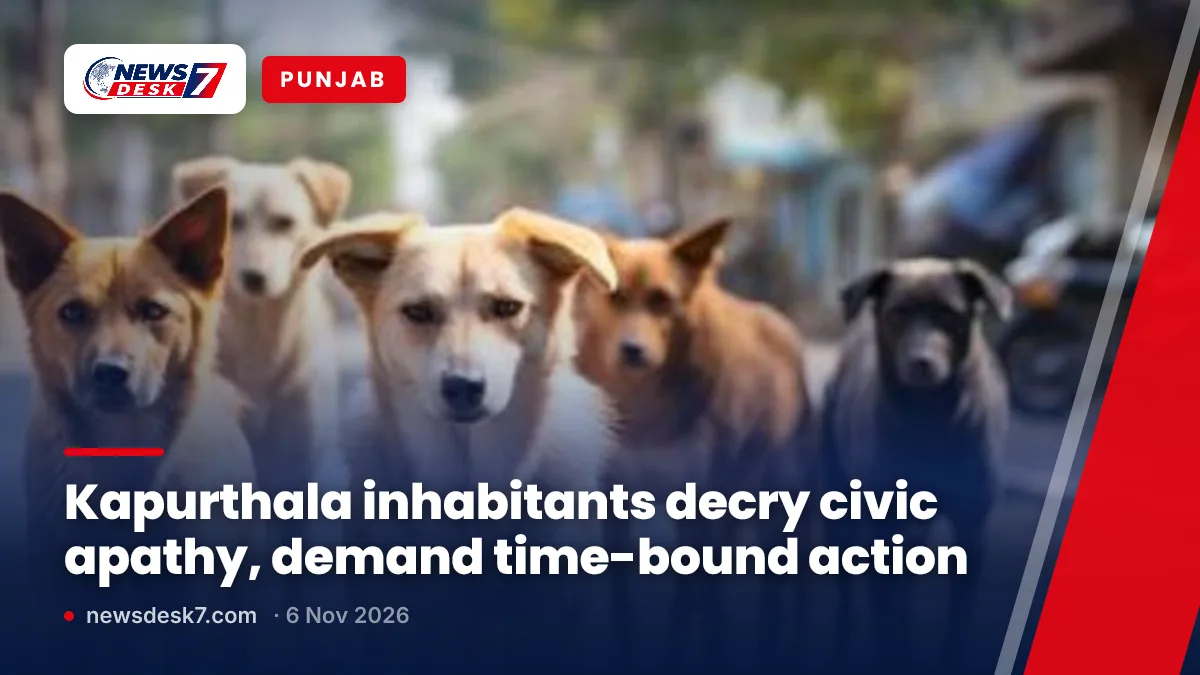
Locals also voiced concern over the growing menace of stray dogs. They said people carry on to face the danger of dog attacks, while the absence of an effective and sustained ABC programme raises severe questions about the authorities’ preparedness and priorities. Repeated grievances and representations have failed to yield a satisfactory solution, they added.
The unchecked display of illegal hoardings and banners on road signs, public buildings, bus shelters and other public infrastructure was cited as another example of administrative failure. The residents remarked the unauthorised advertisements obstruct visibility, inconvenience commuters and compromise public safety.
Inhabitants asserted that the performance of chosen representatives and civic authorities should be judged by tangible results rather than political claims, publicity campaigns or occasional announcements.
They urged the government and departments to prepare and implement a time-bound action plan to tackle these issues. Responsibility must be fixed, regular monitoring made sure and visible results delivered instead of another round of assurances, they said.