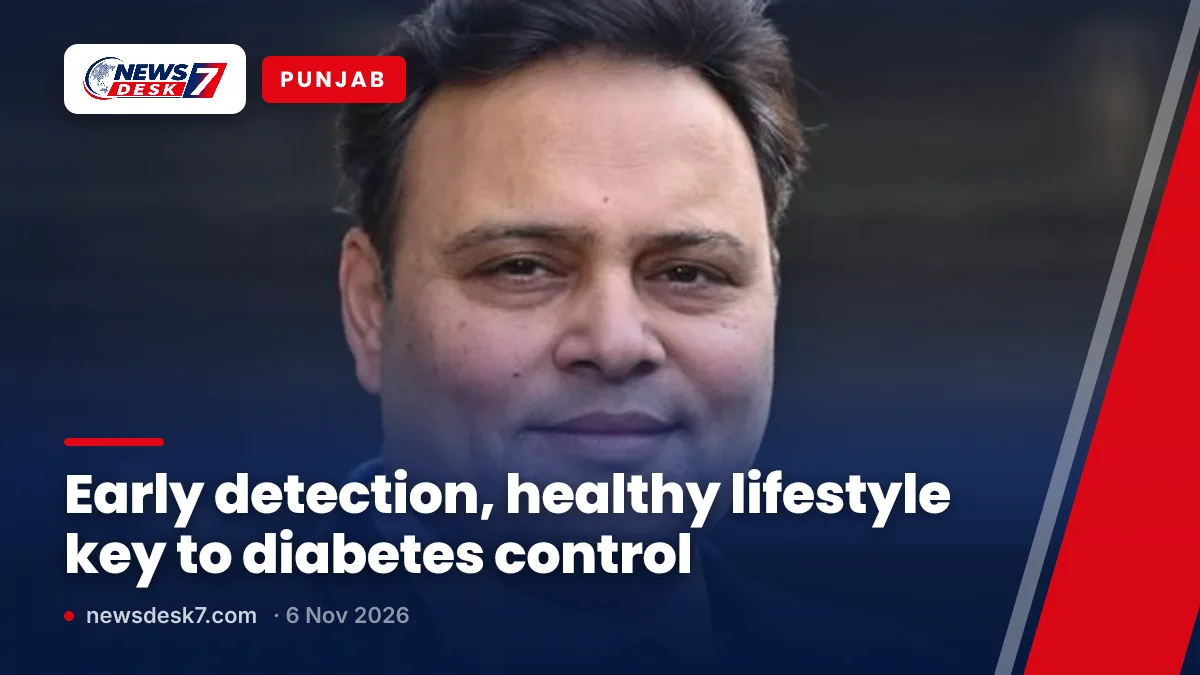
Diabetes can impact individuals of all ages, but early diagnosis, healthy lifestyle choices and regular medical care can help prevent complications, says Dr Dhiraj Bhatia, physician and diabetologist, Global Hospital, Jalandhar.
Diabetes mellitus is a common but grave health condition that can impact individuals of all ages. It occurs when the body does not produce enough insulin or cannot use insulin effectively, resulting in elevated blood glucose (sugar) levels.
Types of Diabetes:

Type 1 Diabetes: The body produces little or no insulin. Insulin treatment is essential. Type 2 Diabetes: The most common type, associated with insulin resistance and sometimes inadequate insulin production. Gestational Diabetes: Develops during pregnancy and increases the future risk of type 2 diabetes in both mother and child.
Recognise the warning signs:
Frequent urination, excessive thirst, increased hunger, unexplained weight loss, fatigue, blurred vision and slow-healing wounds may suggest diabetes. Nevertheless, type 2 diabetes can remain unnoticed for years.
Who is at risk:
Risk factors include family history, increasing age, excess body fat, physical inactivity, unhealthy dietary habits, high blood pressure and a history of gestational diabetes. Diabetes can also occur in individuals without these risk factors.
Prevention
and healthy living:
Many cases of type 2 diabetes can be stopped or delayed through simple lifestyle changes. Eat a balanced diet rich in vegetables, pulses, whole grains and fibre. Limit sugary drinks, sweets and highly processed foods. Exercise regularly, aiming for a minimum of 150 minutes of moderate physical activity per week, as appropriate for your health. Maintain a healthy weight and get adequate sleep. Avoid tobacco and attend regular health check-ups.
Diagnosis
and complications:
Diabetes is diagnosed utilising blood tests including fasting blood glucose and HbA1c. Untreated or poorly controlled diabetes can damage the heart, kidneys, eyes, nerves and blood vessels. Early diagnosis and regular monitoring significantly cut these risks.
Treatment and control:
Diabetes can be managed with healthy eating, physical activity, prescribed medicines and when necessary, insulin. Never stop or change medication without medical advice.
Regular monitoring of blood glucose, blood pressure, cholesterol, kidney function and eye health is key. Remember that diabetes is manageable. Informed choices and consistent medical care can help individuals with diabetes lead healthy, active and fulfilling lives early detection. Get tested. Stay informed. Take control of your health.