
वर्ल्ड अपडेट्स: रिपोर्ट- ट्रम्प सरकार की पूर्व वकील पैम बॉन्डी कैंसर से जूझ रहीं, एक महीने पहले ही पद से हटाया था
12 मिनट पहले
- कॉपी लिंक
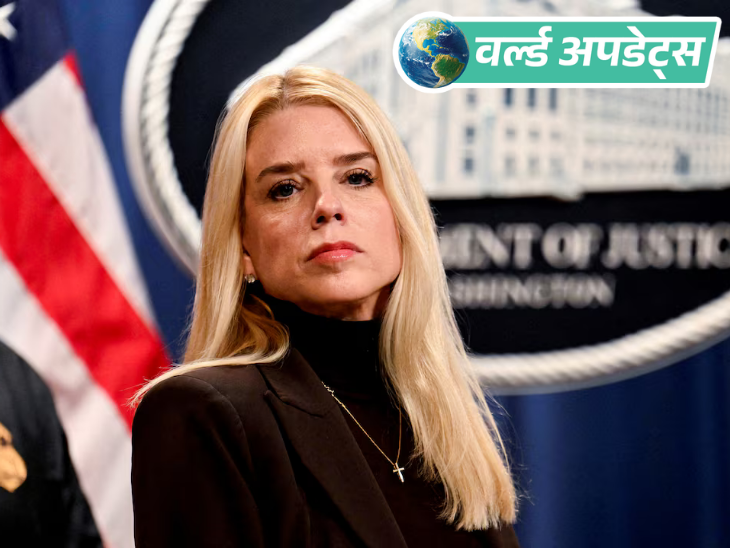
ट्रम्प सरकार की पूर्व वकील (पूर्व अटॉर्नी जनरल) पैम बॉन्डी चुपचाप थायरॉयड कैंसर से जूझ रही हैं। अमेरिकी मीडिया एक्सियोस के मुताबिक, जस्टिस डिपार्टमेंट छोड़ने के बाद उनका इलाज हुआ और अब वह रिकवरी कर रही हैं।
राष्ट्रपति ट्रम्प ने अप्रैल में पैम को उनके पद से हटा दिया था। मीडिया रिपोर्ट्स के मुताबिक यह फैसला जेफ्री एपस्टीन केस से जुड़ी फाइलों को संभालने के तरीके को लेकर लिया गया था।
हालांकि, कैंसर की खबरों पर पैम बॉन्डी ने खुद अब तक कोई सार्वजनिक बयान नहीं दिया है। व्हाइट हाउस के डिप्टी चीफ ऑफ स्टाफ स्टीफन मिलर की पत्नी केटी मिलर ने सोशल मीडिया पर लिखा कि पैम बॉन्डी पिछले कुछ हफ्तों से कैंसर से मजबूती से लड़ रही हैं।
इसी बीच रिपोर्ट में यह भी कहा गया कि ट्रम्प ने पैम बॉन्डी को व्हाइट हाउस की AI एडवाइजरी कमेटी में शामिल किया है।
अंतरराष्ट्रीय मामलों से जुड़ी अन्य बड़ी खबरें…
भारत ने जम्मू-कश्मीर पर चीन-पाकिस्तान का बयान खारिज किया:कहा- दूसरे देश को टिप्पणी का हक नहीं
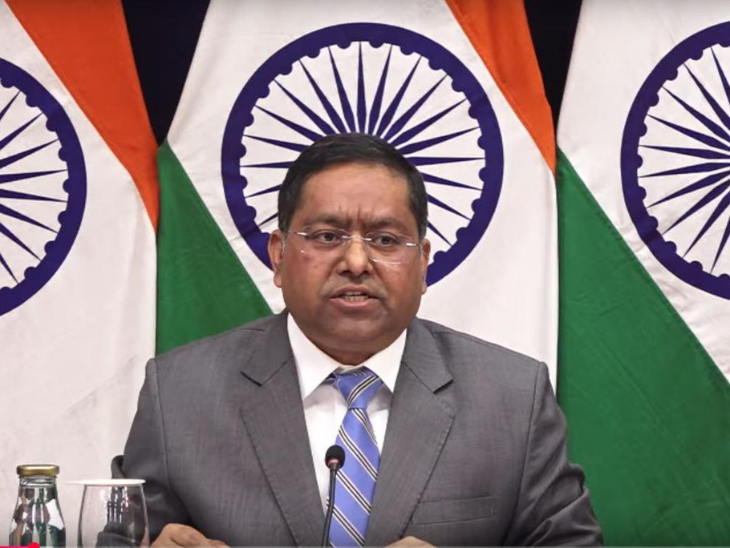
भारत ने चीन और पाकिस्तान के संयुक्त बयान में जम्मू-कश्मीर के जिक्र को पूरी तरह खारिज कर दिया है। विदेश मंत्रालय ने कहा कि जम्मू-कश्मीर और लद्दाख भारत के अभिन्न और अविभाज्य हिस्से हैं। भारत ने चीन-पाकिस्तान इकोनॉमिक कॉरिडोर (CPEC) परियोजनाओं पर भी कड़ी आपत्ति जताई।
यह बयान पाकिस्तान के प्रधानमंत्री शहबाज शरीफ की चीन यात्रा के बाद जारी संयुक्त बयान के जवाब में आया है। इसमें कहा गया था कि पाकिस्तान ने चीन को जम्मू-कश्मीर के हालात की जानकारी दी।
इसके बाद चीन ने कहा कि जम्मू-कश्मीर मुद्दा इतिहास से जुड़ा विवाद है और इसका समाधान संयुक्त राष्ट्र चार्टर, UNSC प्रस्तावों और द्विपक्षीय समझौतों के तहत शांतिपूर्ण तरीके से होना चाहिए। पढ़ें पूरी खबर…