


A fighter jet shot out the rudder of the tanker in the Gulf of Oman as it tried to breach the American blockade of Iran’s ports, U.S. Central Command said in a social media post.
The attack occurred as Iran and the U.S. are officially in a ceasefire. Mr. Trump threatened Tehran with a new wave of bombing if a deal is not reached that includes opening the critical Strait of Hormuz.
Mr. Trump posted on social media that the two-month war could soon end and that oil and natural gas shipments disrupted by the conflict could restart. But he said that depends on Iran accepting a reported agreement that the president did not detail.
Iran-Israel war: Follow updates on May 6, 2026
“If they don’t agree, the bombing starts,” Mr. Trump wrote.
Meanwhile, Israel struck Beirut’s southern suburbs for the first time since a ceasefire between Israel and the Iranian-backed Hezbollah militant group was announced April 17. Fighting has continued since then in southern Lebanon.
The last strikes in Beirut were on April 8, when a series of massive Israeli attacks killed more than 350 people. More than 2,500 have died in Lebanon since fighting began March 2, two days after Israel and the U.S. launched the war on Iran.
Israeli Prime Minister Benjamin Netanyahu’s office said Wednesday’s (May 6, 2026) strike, which came without warning, targeted a commander in Hezbollah’s Radwan Force. Hezbollah did not immediately comment.
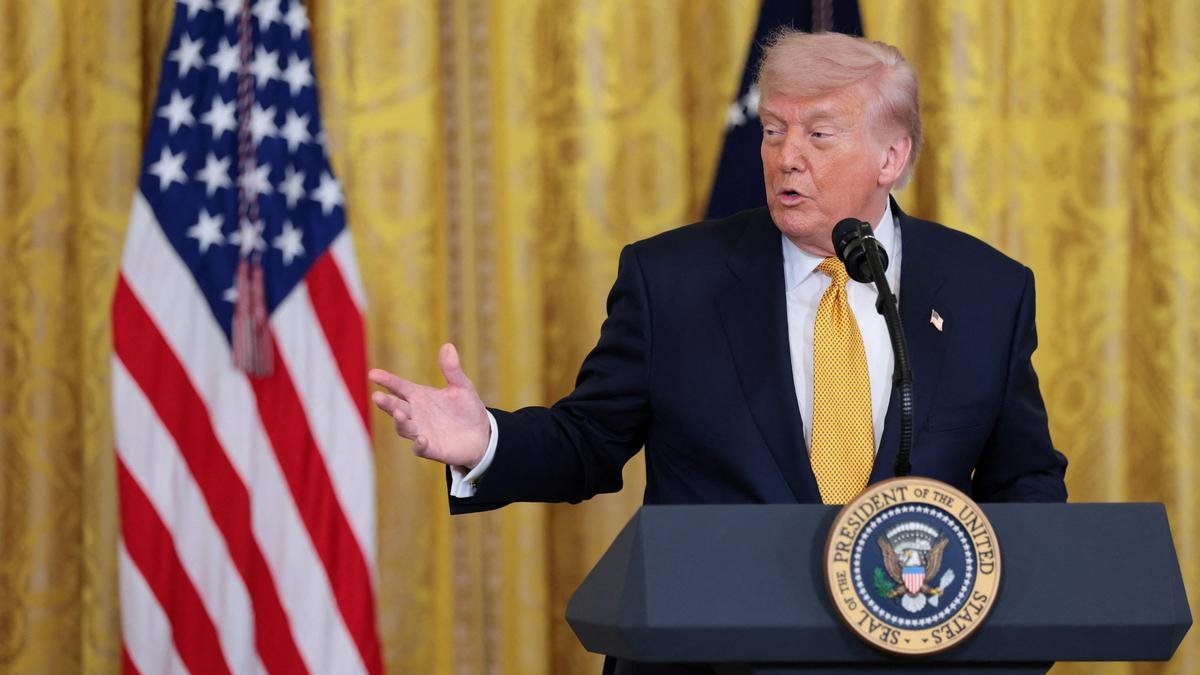
Mr. Trump insisted Wednesday (May 6, 2026) that Iranian officials want to end the war.
“We’re dealing with people that want to make a deal very much, and we’ll see whether or not they can make a deal that’s satisfactory to us,” the president said.
He suggested, both at the White House and on social media, that the U.S. could ultimately force a settlement.
“If they don’t agree, the bombing starts,” Mr. Trump said on social media, “and it will be, sadly, at a much higher level and intensity than it was before.”
The White House believes it is near an agreement with Iran on a one-page memorandum to end the war, according to reporting by Axios. There is no deal yet, but provisions include a moratorium on Iranian uranium enrichment, lifting of U.S. sanctions, distribution of frozen Iranian funds and opening the strait for ships.
The White House did not immediately respond to questions about the possible agreement.
A spokesman for the Iranian Foreign Ministry, Esmaeil Baghaei, told state TV that Tehran had “strongly rejected” U.S. proposals reported by Axios, but that it was still examining the latest proposed agreement.
A shaky ceasefire between the U.S. and Tehran has largely held since it began April 8. Pakistan hosted in-person talks last month between the two countries, but they failed to reach an agreement.

Mr. Trump sought to increase pressure on Tehran the day after he suspended a short-lived U.S. effort to force open a safe passage for commercial ships through the strait. The waterway was a vital passage for oil and gas supplies, fertilizer and other petroleum products before the war.
Only two American-flagged merchant ships are known to have passed through the U.S.-guarded route after it opened Monday (May 4, 2026). The U.S. military said it sank six Iranian small boats threatening civilian ships.
Iran’s effective closure of the strait has sent fuel prices skyrocketing, rattled the global economy and put enormous economic pressure on countries, including major powers such as China.
China’s Foreign Minister called for a comprehensive ceasefire Wednesday (May 6, 2026) after meeting in Beijing with Iran’s top envoy. Wang Yi said his country was “deeply distressed” by the conflict, which began February 28 when the U.S. and Israel launched strikes against Iran.

China’s close economic and political ties to Tehran give it a unique position of influence. The Trump administration is pressing China to use that relationship to urge the Islamic Republic to open the strait.
Iranian Foreign Minister Abbas Araghchi’s visit to China came ahead of a planned trip by Mr. Trump to Beijing.
Mr. Trump is scheduled to attend a high-profile summit on May 14 and 15 with Chinese President Xi Jinping. Mr. Trump was the last U.S. president to visit China in 2017.
“We believe that a comprehensive ceasefire is urgently needed, that a resumption of hostilities is not acceptable,” Mr. Wang said in a video of the meeting.

The Chinese Foreign Minister said the conflict “has not only caused serious losses to the Iranian people, but also had a severe impact on regional and global peace.”
Mr. Araghchi told Iranian state TV that his visit included discussions of the Strait of Hormuz, Iran’s nuclear program and sanctions imposed on Tehran.
Mr. Trump has demanded a major rollback of Tehran’s disputed nuclear program.
A statement published on the Chinese Foreign Ministry’s website said China values Iran’s pledge not to pursue nuclear weapons while affirming its “legitimate right to the peaceful use of nuclear energy.”

Hundreds of merchant ships remain bottled up in the Persian Gulf, unable to reach the open sea without passing through the Strait of Hormuz.
A cargo container ship operated by the CMA CGM Group was damaged, and multiple crew members were wounded when it came under attack while transiting the strait Tuesday (May 5, 2026), the French shipping company said. It said the injured crew members were taken off the ship and received medical treatment.
Oil prices and shipping will not likely return to normal until the risk of attacks in the strait has receded, said Kaho Yu, head of energy and resources at risk intelligence company Verisk Maplecroft.
“Refiners, shippers and commodity traders will remain cautious until there is clearer evidence that Hormuz disruptions will not re-escalate,” he said.

Among them is Hapag-Lloyd, one of the world’s largest shipping companies. It said in a statement that the strait’s shutdown is costing it around $60 million per week, with rising fuel and insurance costs hitting particularly hard. The company said alternate routes to other harbors or over land are limited.
The spot price of Brent crude oil, the international standard, fell to around $100 per barrel Wednesday (May 6, 2026), easing significantly from big price jumps earlier in the week. Crude sold for roughly $70 a barrel before the war began.