

The underlying mechanics of the Bengal turnout reveal a complex interplay between massive electoral roll revisions and intense political mobilisation




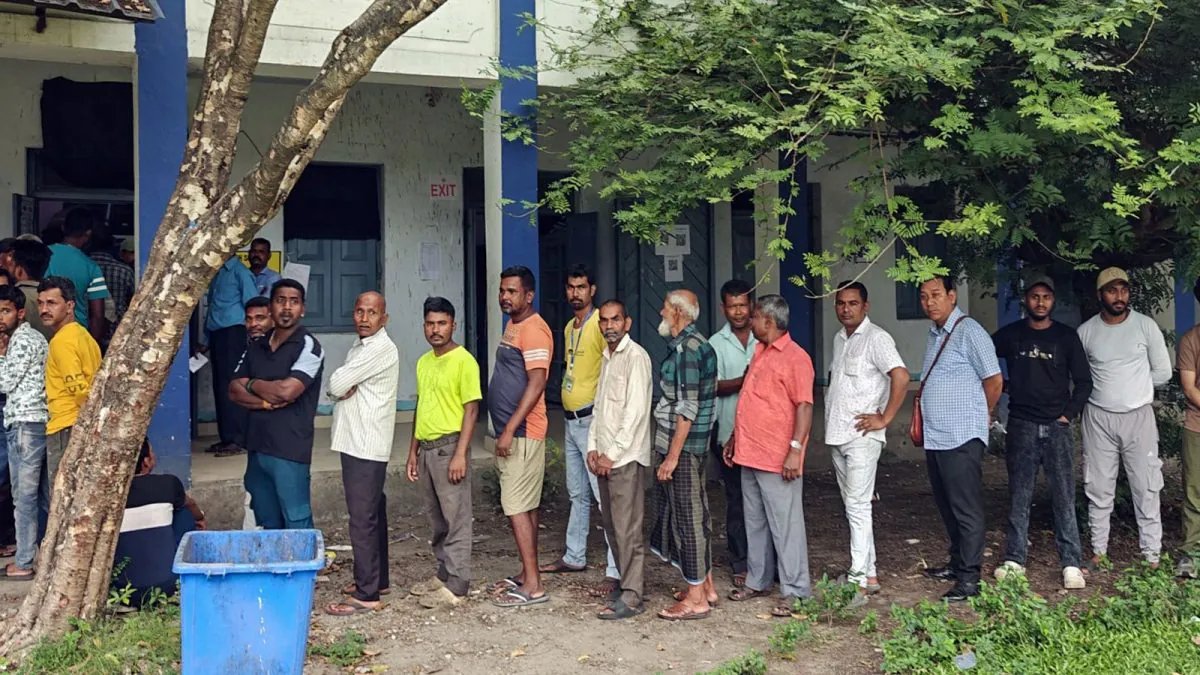
Voter turnout surged to remarkable levels in the West Bengal Phase 1 polls. (Image: ANI)
The first phase of the 2026 West Bengal assembly elections concluded on April 23, with a historic and record-shattering voter turnout of 92.03%. This figure represents the highest polling percentage in the state since 1951, surpassing the previous record of 84.33% set in 2011. While the scale of participation is a triumph for democratic engagement, the underlying mechanics of this surge reveal a complex interplay between massive electoral roll revisions and intense political mobilisation.
How did the Special Intensive Revision drive the surge?
The most significant technical driver behind the 92% figure in West Bengal is the Election Commission of India’s (ECI) Special Intensive Revision (SIR). Conducted over four months, this exercise resulted in the removal of approximately 9.1 million names from the electoral rolls—a staggering 12% drop in the total electorate. By purging “dead, shifted, and duplicate” entries, as well as those under judicial adjudication, the ECI created a leaner, more accurate voter list, officials say.
Mathematically, when the denominator (the total number of registered voters) shrinks while the numerator (the number of people who actually show up) remains steady or grows, the turnout percentage sky-rockets. Analysts note that if those 9 million names had remained on the list, the turnout would likely have hovered around the traditional 83-84% mark. However, they add, the revision has turned 2026 into a “clean slate” election, where nearly every registered individual is a high-intent voter.
Which districts led the record-breaking spree?
The surge was not uniform but was particularly pronounced in the high-stakes border and North Bengal districts. Dakshin Dinajpur emerged as the state leader with a turnout of 95.22%, followed closely by Cooch Behar at 95.17%. These regions have been at the heart of intense ideological battles regarding citizenship and identity, which clearly translated into a “do-or-die” mobilisation at the booths.
Even in Murshidabad, which saw the highest number of deletions (over 4.5 lakh names) during the SIR process, the turnout stood at a defiant 93.07%. This suggests that rather than discouraging voters, the “voter list anxiety” acted as a catalyst, pushing people to the polls to safeguard their political identity. Other significant figures came from Birbhum (94.19%) and Jalpaiguri (93.23%), underscoring a statewide trend of hyper-participation.
What does 92% mean for the ‘silent wave’?
In West Bengal’s political history, a massive spike in turnout has often been the harbinger of a “Poriborton” (change). In 2011, a then-record turnout of 84.33% saw the end of 34 years of Left rule. The current figure of 92.03% has led both the Trinamool Congress (TMC) and the Bharatiya Janata Party (BJP) to claim a “silent wave” in their favour.
For the TMC, the high numbers among women (who polled at 92.69% compared to 90.92% for men) are seen as a validation of welfare schemes like Lakhshmir Bhandar. Conversely, the BJP interprets the surge as an outpouring of anti-incumbency, facilitated by the “safety” provided by over 2,400 companies of central forces. With the SIR having removed millions of “ghost voters”, this phase represents the most transparent test of command for Mamata Banerjee and the most fertile ground for the BJP’s “nationalist” pitch.
April 25, 2026, 06:30 IST
Read More