

Modern ACs are designed to withstand high temperatures, but extreme heat, continuous usage, and neglect can push systems beyond safe limits, leading to short circuit or explosions.




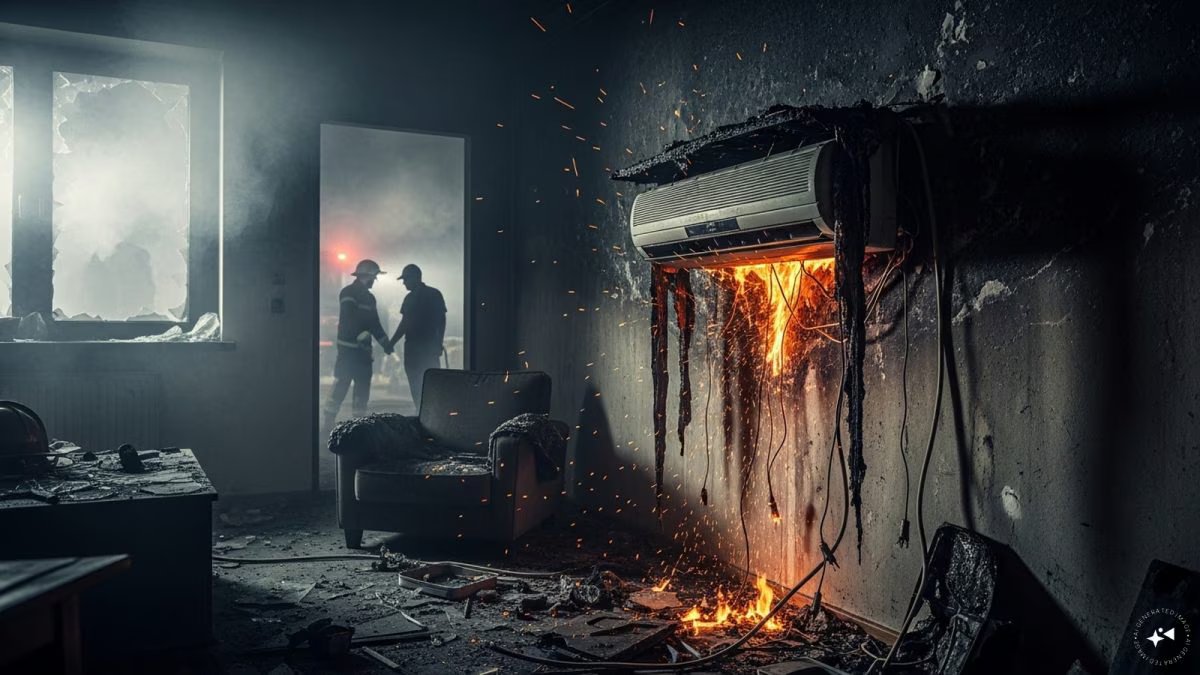
The compressor, often called the heart of an AC, can overheat if the unit runs continuously without breaks in peak summer. (AI-generated photo)
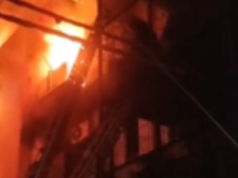
At least nine people were killed after a massive fire engulfed a residential building in the Vivek Vihar area of East Delhi. While the exact cause of the fire is yet to be confirmed by officials, it is suspected to have been triggered by a short circuit in an air conditioner unit.
Reports of AC fires and “blasts” tend to rise in the summer. Experts say these incidents are rarely sudden accidents; instead, they are typically the result of prolonged stress on machines combined with poor maintenance or unsafe electrical setups.
Modern ACs are designed to withstand high temperatures, but extreme heat, continuous usage, and neglect can push systems beyond safe limits—leading to overheating, short circuits, or even explosions.
Read More: Why Fire Incidents Spike During Summer Months
What Causes AC Fires Or Blasts
Compressor Overheating: The compressor, often called the heart of an AC, can overheat if the unit runs continuously without breaks in peak summer. Dust-clogged condenser coils force the system to work harder, leading to excessive heat buildup and, in severe cases, mechanical rupture.
Electrical Short Circuits: High power demand during summer can strain old or undersized wiring. Using low-quality extension cords or improper sockets can cause wires to overheat, melt insulation, and trigger sparks—igniting nearby plastic components or refrigerant.
Refrigerant Leaks: Leakage of flammable refrigerants such as R32 or R290 can be dangerous. If exposed to a spark, these gases can cause flash fires or explosions.
Pressure Build-Up: Incorrect gas charging during servicing—either overfilling or contamination with air and moisture—can increase internal pressure beyond safe limits, risking pipe rupture.
Warning Signs From AC You Should Not Ignore
- Burning or “fishy” smell indicating melting wires
- Unusual noises like grinding, hissing, or rattling
- Frequent tripping of the circuit breaker (MCB)
- Lights dimming or flickering when the AC starts
How To Prevent AC Mishaps
- Avoid running ACs non-stop
- Allow short breaks using timer settings
- Clean filters every 10–15 days during heavy use
- Plug ACs directly into a dedicated high-capacity (16A) socket—never use extension boards
- Ensure the outdoor unit has adequate ventilation and is not obstructed
- Schedule professional servicing before peak summer to check gas levels and wiring
Experts also recommend installing a voltage stabiliser in areas prone to power fluctuations to protect the compressor from electrical damage.
What To Do In An Emergency
If an AC catches fire:
- Cut off power immediately using the main MCB
- Evacuate and call the fire department
- Do not use water on electrical fires
- Use a dry chemical (ABC) extinguisher or sand
- Keep a safe distance, especially if there is hissing or black smoke, as pressurised gas can be hazardous
Read More