

वैभव के साथ इंग्लैंड-आयरलैंड जाएंगे उनके माता-पिता: BCCI ने दी विशेष अनुमति, सबसे कम उम्र में डेब्यू का रिकॉर्ड बना सकते हैं
स्पोर्ट्स डेस्क14 मिनट पहले
- कॉपी लिंक
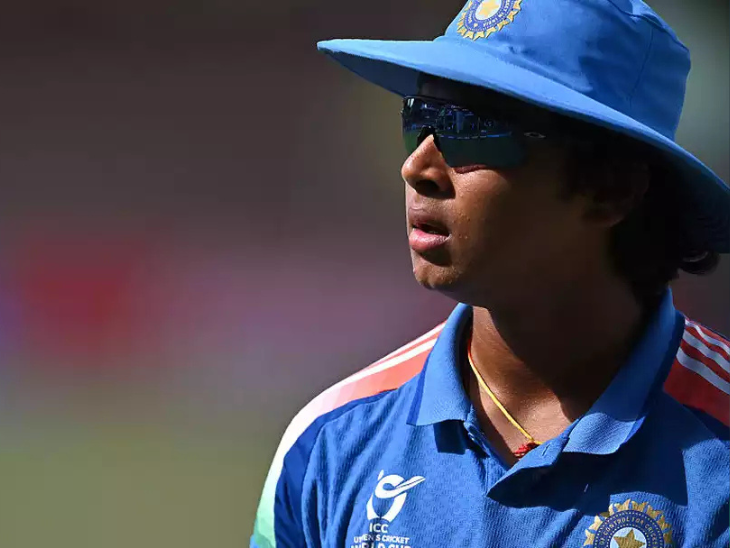
इसी साल फरवरी में अंडर-19 वर्ल्ड कप के फाइनल में इंग्लैंड के खिलाफ वैभव ने 80 बॉल 175 रन की पारी खेली थी।
15 साल के वैभव सूर्यवंशी के माता-पिता भी इंग्लैंड और आयरलैंड जाएंगे। BCCI ने वैभव के माता-पिता को टीम के साथ यात्रा करने को कहा है। बोर्ड का कहना है कि इससे वह सीनियर टीम के माहौल में आसानी से ढल जाएंगे।
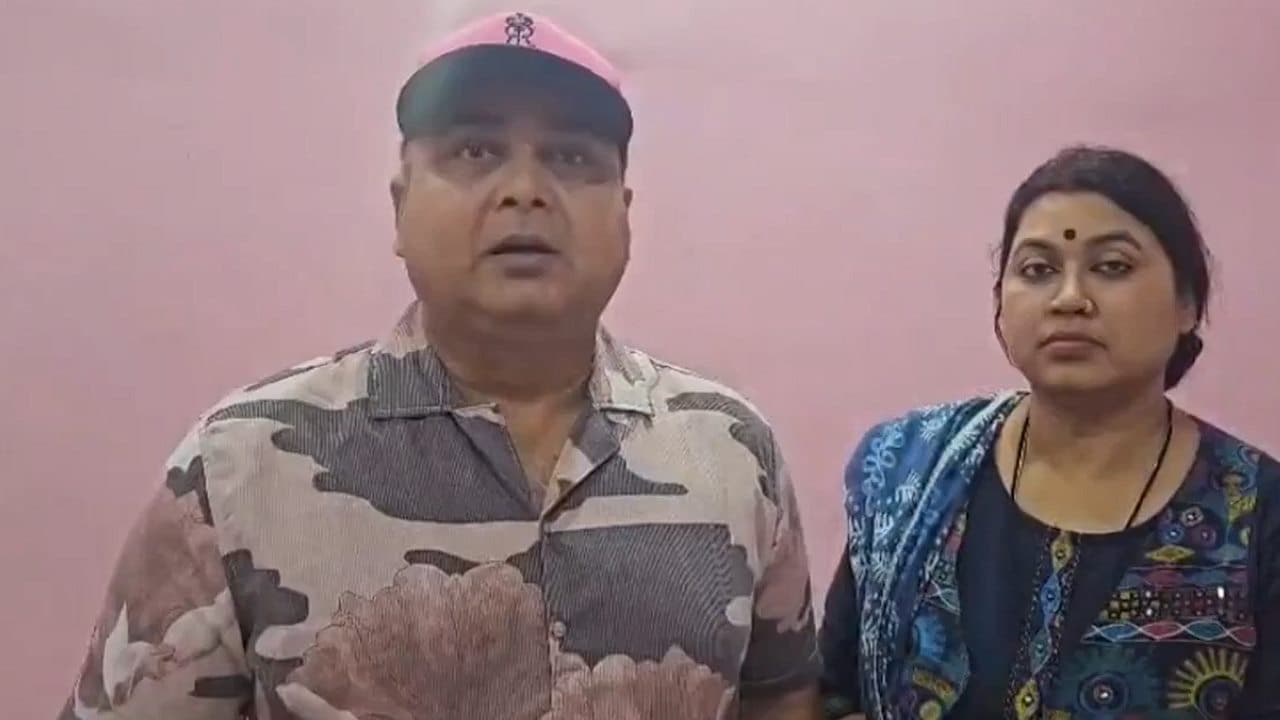
वैभव के पिता संजीव और माता आरती सूर्यवंशी।
सबसे कम उम्र में डेब्यू करने वाले खिलाड़ी बन सकते हैं
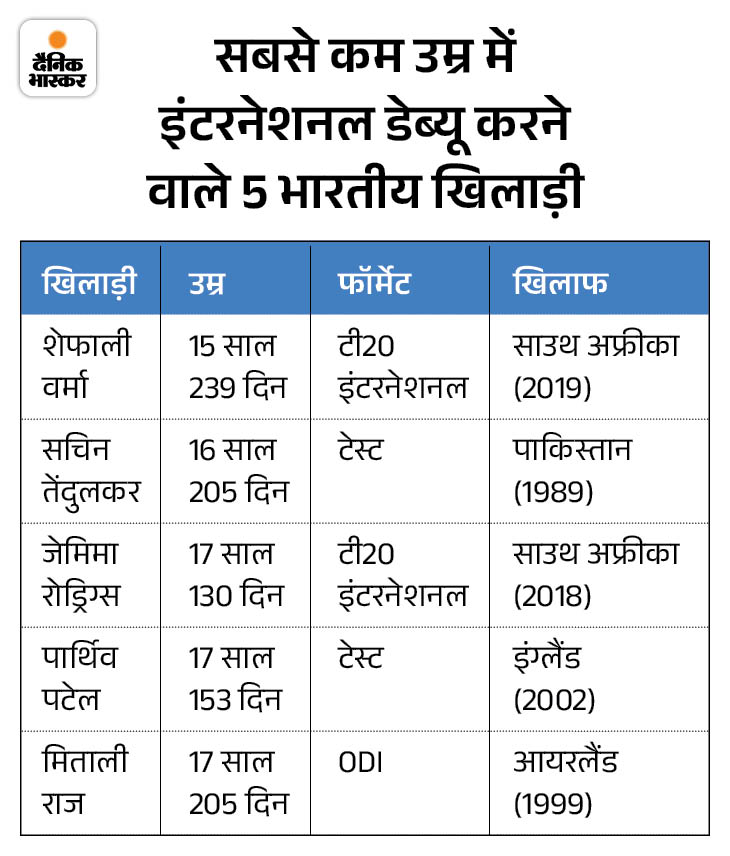
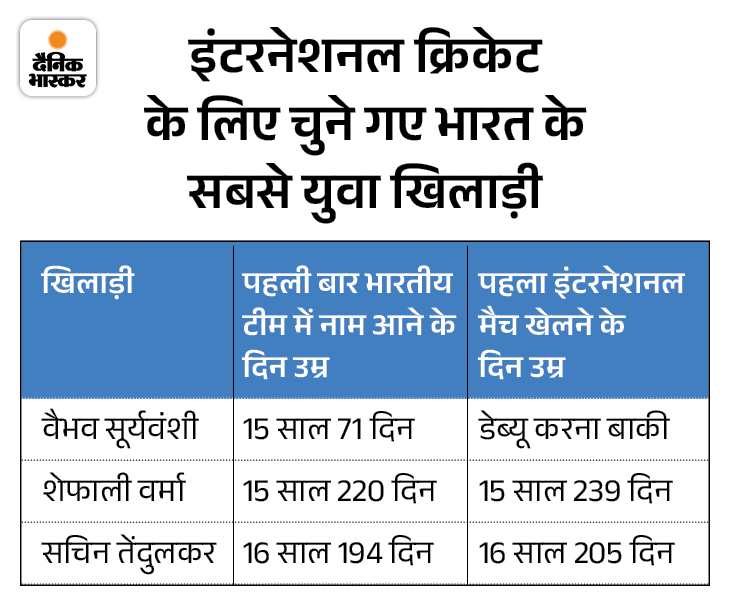
वैभव पहली बार किसी सीनियर नेशनल टीम का हिस्सा बनने जा रहे हैं। वह भारत के लिए सबसे कम उम्र में डेब्यू करने वाले खिलाड़ी भी बन सकते हैं। यह रिकॉर्ड फिलहाल सचिन तेंदुलकर के नाम है, जिन्होंने 16 साल 207 दिन की उम्र में पाकिस्तान के खिलाफ डेब्यू किया था।
BCCI सचिव देवजीत सैकिया ने कहा कि आमतौर पर बोर्ड खिलाड़ियों के माता-पिता को टीम के साथ दौरे पर जाने की अनुमति नहीं देता। लेकिन वैभव नाबालिग हैं और पहली बार सीनियर खिलाड़ियों वाली टीम का हिस्सा बन रहे हैं, इसलिए उनके मामले में विशेष अनुमति दी गई है।
उन्होंने कहा कि BCCI वैभव के माता-पिता से अनुरोध करेगा। यदि वे जाना चाहें तो बोर्ड इसका समर्थन करेगा। सैकिया के मुताबिक, वैभव के पिता अगले दिन श्रीलंका रवाना होने वाले हैं। यदि उनके माता-पिता इंग्लैंड दौरे पर भी साथ जाना चाहें तो BCCI मदद करेगा।
उन्होंने खुद को साबित किया- अगरकर
चयन समिति के अध्यक्ष अजीत अगरकर ने भी वैभव का समर्थन किया। उन्होंने कहा कि युवा बल्लेबाज ने अपने प्रदर्शन से खुद को टीम में सिलेक्ट करवाया है। अगरकर ने 6 जून को मुंबई में मीडिया से कहा, मुझे लगता है कि उसने खुद ही अपनी जगह बना ली है। हमने देखा है कि वह क्या कर सकता है। प्लेऑफ के आसपास उसने लगभग अकेले दम पर राजस्थान रॉयल्स को संभाला।
उन्होंने कहा, इतनी कम उम्र में जिस तरह वह बल्लेबाजी कर रहा है, वह खास है। यह सिर्फ एक सीजन की बात नहीं है। पिछले सीजन में भी उसने शानदार शुरुआत की थी।
वैभव सिलेक्टेड होने वाले सबसे युवा प्लेयर
वैभव सूर्यवंशी भारतीय क्रिकेट टीम में चुने गए अब तक के सबसे युवा खिलाड़ी बन गए हैं। 15 साल, 71 दिन की उम्र में वैभव को जून-जुलाई में आयरलैंड और इंग्लैंड के खिलाफ टी-20 सीरीज के साथ-साथ सितंबर में होने वाले एशियन गेम्स के लिए चुना गया है।
सूर्यवंशी ने इस IPL में सबसे ज्यादा रन बनाए
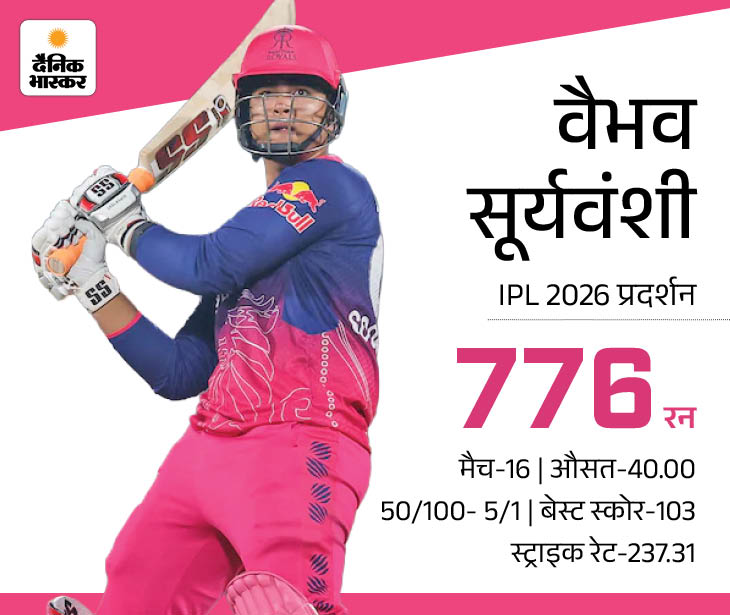
सूर्यवंशी ने IPL 2026 में सबसे ज्यादा 776 रन बनाए और ऑरेंज कैप का अवॉर्ड जीता। वैभव ने मोस्ट वैल्युएबल प्लेयर, इमर्जिंग प्लेयर ऑफ द ईयर, सुपर स्ट्राइकर और सबसे ज्यादा छक्के लगाने का अवॉर्ड भी जीता। इस सीजन उन्होंने 36 गेंद पर शतक लगाया था, जबकि तीन बार 90 से 100 के बीच में आउट हुए थे।
आयरलैंड और इंग्लैंड दौरे के लिए भारतीय टी-20 टीम
श्रेयस अय्यर (कप्तान), तिलक वर्मा (उपकप्तान), वैभव सूर्यवंशी, अभिषेक शर्मा, संजू सैमसन, ईशान किशन, शिवम दुबे, नीतीश कुमार रेड्डी, अक्षर पटेल, वॉशिंगटन सुंदर, रवि बिश्नोई, वरुण चक्रवर्ती, मोहम्मद सिराज, हर्षित राणा, अर्शदीप सिंह और प्रिंस यादव।
एशियन गेम्स के लिए भारतीय टी-20 टीम
श्रेयस अय्यर (कप्तान), तिलक वर्मा (उपकप्तान), वैभव सूर्यवंशी, अभिषेक शर्मा, संजू सैमसन, ईशान किशन, शिवम दुबे, नीतीश कुमार रेड्डी, अक्षर पटेल, वॉशिंगटन सुंदर, रवि बिश्नोई, वरुण चक्रवर्ती, जसप्रीत बुमराह, हर्षित राणा और अर्शदीप सिंह।