

सुप्रीम कोर्ट कॉलेजियम ने केंद्र को 5 नाम भेजे: सुप्रीम कोर्ट जज नियुक्त करने की सिफारिश; चार हाईकोर्ट के चीफ जस्टिस; एक वरिष्ठ महिला वकील
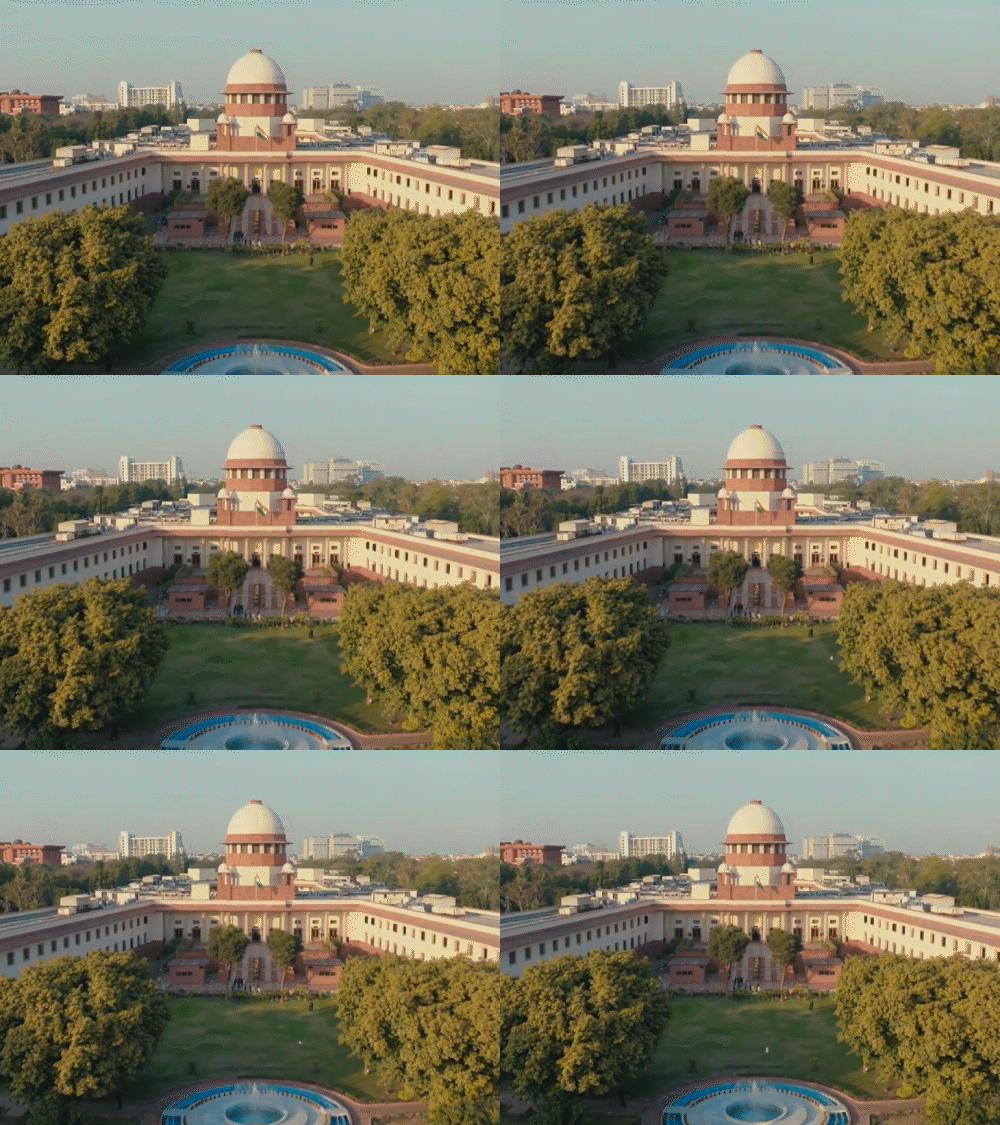
सुप्रीम कोर्ट कॉलेजियम ने सुप्रीम कोर्ट में जज नियुक्त करने के लिए पांच नामों की सिफारिश केंद्र सरकार को भेजी है। इनमें चार हाईकोर्ट के मुख्य न्यायाधीश और एक वरिष्ठ महिला वकील शामिल हैं। कॉलेजियम ने पंजाब एवं हरियाणा हाईकोर्ट के चीफ जस्टिस शील नागू, बॉम्बे हाईकोर्ट के चीफ जस्टिस श्री चंद्रशेखर, मध्य प्रदेश हाईकोर्ट के चीफ जस्टिस संजीव सचदेवा, जम्मू-कश्मीर और लद्दाख हाईकोर्ट के चीफ जस्टिस अरुण पल्ली और वरिष्ठ अधिवक्ता वी मोहना के नाम भेज हैं। यह सिफारिश 22 और 27 मई को हुई कॉलेजियम बैठकों के दौरान की गई हैं। अभी सुप्रीम कोर्ट में सिर्फ एक महिला जज है वरिष्ठ अधिवक्ता वी मोहना की नियुक्ति से सुप्रीम कोर्ट में महिलाओं की भागीदारी मजबूत होने की उम्मीद जताई जा रही है। फिलहाल सुप्रीम कोर्ट में सिर्फ एक महिला जज जस्टिस बीवी नागरत्ना हैं। अगस्त 2021 के बाद से किसी महिला की सुप्रीम कोर्ट में नियुक्ति नहीं हुई है। अभी सुप्रीम कोर्ट में 32 जज हैं। जून में जस्टिस जेके माहेश्वरी और जस्टिस पंकज मित्तल के रिटायर होने के बाद दो और पद खाली हो जाएंगे। सुप्रीम कोर्ट में जजों की संख्या बढ़कर 37 होगी केंद्रीय कैबिनेट ने 5 मई को सुप्रीम कोर्ट में जजों की संख्या 33 से बढ़ाकर 37 करने के प्रस्ताव को मंजूरी दे दी है। सरकार संसद के अगले सत्र में इससे जुड़ा विधेयक पेश करेगी। कैबिनेट की मंजूरी के बाद 1956 के कानून में संशोधन किया जाएगा। संविधान के अनुच्छेद 124(1) के तहत सुप्रीम कोर्ट में जजों की संख्या बढ़ाने का अधिकार संसद के पास है। कानून लागू होने के बाद सुप्रीम कोर्ट कॉलेजियम नए जजों के नाम सरकार को भेजेगा। सुप्रीम कोर्ट में 92 हजार से ज्यादा केस पेंडिंग सुप्रीम कोर्ट में इस समय 92,385 पेंडिंग मामले हैं। कोविड के बाद ई-फाइलिंग बढ़ने से मामलों की संख्या लगातार बढ़ी है। केंद्र सरकार ने 11 दिसंबर 2025 को राज्यसभा में बताया था कि देशभर के कोर्ट में कुल 5.49 करोड़ से अधिक केस पेंडिंग हैं। इसमें 90,897 मामले सुप्रीम कोर्ट और देश के 25 हाई कोर्ट में 63,63,406 मामले लंबित थे। —————————————– ये खबर भी पढ़ें… सुप्रीम कोर्ट बोला- PIL अब पैसा इंटरेस्ट लिटिगेशन बनी:सबरीमाला केस में वकीलों ने याचिका लगाई; जज ने कहा- अपने लोगों के लिए काम करें सुप्रीम कोर्ट ने कहा कि पब्लिक इंटरेस्ट लिटिगेशन (जनहित याचिका) अब प्राइवेट इंटरेस्ट और पब्लिसिटी इंटरेस्ट, पैसा इंटरेस्ट लिटिगेशन और पॉलिटिकल इंटरेस्ट लिटिगेशन बन गई हैं। यह कमेंट नौ जजों की संविधान बेंच ने केरल के सबरीमाला मंदिर से जुड़ी याचिकाओं की सुनवाई के दौरान किया। पूरी खबर पढ़ें…
Source link