
भास्कर अपडेट्स: दिल्ली के खजूरी खास में युवक की गोली मारकर हत्या, आरोपी फरार
- Hindi News
- National
- Breaking News Headlines Today, Pictures, Videos And More From Dainik Bhaskar
19 मिनट पहले
- कॉपी लिंक
उत्तर-पूर्वी दिल्ली के खजूरी खास इलाके में बदमाशों ने एक युवक की गोली मारकर हत्या कर दी। मृतक की पहचान राजा के रूप में हुई है। पुलिस के मुताबिक हमलावरों ने करीब पांच राउंड फायरिंग की, जिनमें तीन गोलियां राजा को लगीं। आरोपी मौके से फरार हो गए और पुलिस CCTV फुटेज की जांच कर रही है।
वहीं दक्षिण-पूर्वी दिल्ली के अमर कॉलोनी इलाके में एक 17 साल के लड़के को गोली मार दी गई। पुलिस के मुताबिक लड़का एक रेस्टोरेंट में बैठा था, तभी कुछ युवकों से कुर्सी छूने को लेकर विवाद हो गया।
कुछ देर बाद आरोपी वापस लौटे और एक युवक ने गोली चला दी। घायल लड़के को AIIMS ट्रॉमा सेंटर में भर्ती कराया गया है, जहां उसकी हालत गंभीर लेकिन स्थिर बताई जा रही है। पुलिस CCTV फुटेज खंगाल रही है।
आज की अन्य बड़ी खबरें…
महाराष्ट्र में पिता ने 4 बच्चों को कुएं में फेंका, फिर खुदकुशी की
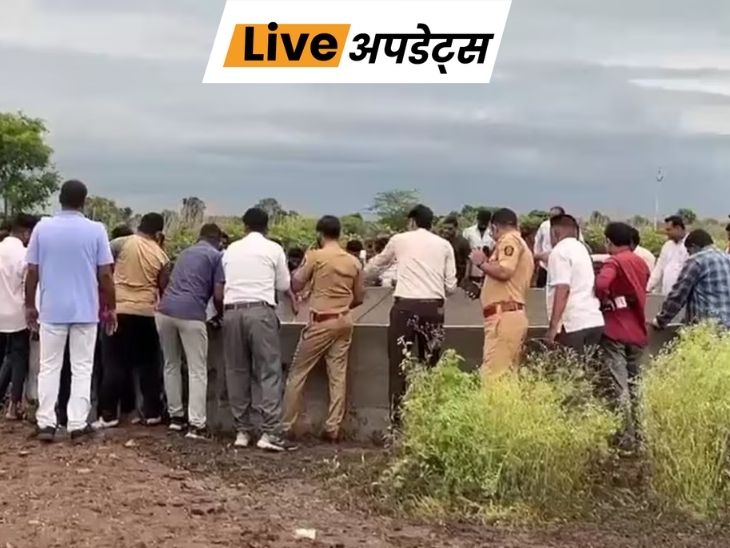
महाराष्ट्र के बुलढाणा जिले में एक व्यक्ति ने पत्नी से झगड़े के बाद अपने चार बच्चों को कुएं में फेंक दिया और बाद में खुद फांसी लगा ली। घटना जलगांव-जामोद इलाके की है।
पुलिस के मुताबिक चारों बच्चों की मौत हो गई। मामले की जांच जारी है और पुलिस घटना के पीछे की पूरी वजह पता लगाने में जुटी है।
युगांडा से बेंगलुरु आई महिला में इबोला जैसे लक्षण, अस्पताल में भर्ती

युगांडा से आई 28 साल की महिला में इबोला जैसे लक्षण मिलने के बाद उसे बेंगलुरु के सरकारी अस्पताल में भर्ती कराया गया है। महिला को शरीर दर्द की शिकायत थी और उसकी हालत फिलहाल स्थिर है।
महिला के सैंपल जांच के लिए पुणे के नेशनल इंस्टीट्यूट ऑफ वायरोलॉजी भेजे गए हैं। कर्नाटक सरकार ने अफ्रीकी देशों से लौटे लोगों को 21 दिन तक स्वास्थ्य निगरानी में रहने की सलाह दी है।
सिंगर जुबीन गर्ग की मौत मामले में सात आरोपियों पर आरोप तय

असम के मशहूर सिंगर जुबीन गर्ग की मौत के मामले में कोर्ट ने सात आरोपियों पर आरोप तय कर दिए हैं। सभी आरोपियों ने खुद को निर्दोष बताया है।
कोर्ट ने कहा कि अब सीधे गवाहों की सुनवाई होगी, जो 8 जून से शुरू होगी। मामले की जांच के लिए SIT बनाई गई थी और आरोपियों पर हत्या समेत कई गंभीर धाराएं लगाई गई हैं।
दिल्ली की कोर्ट ने 2020 दिल्ली दंगे के तीन आरोपियों को बरी किया
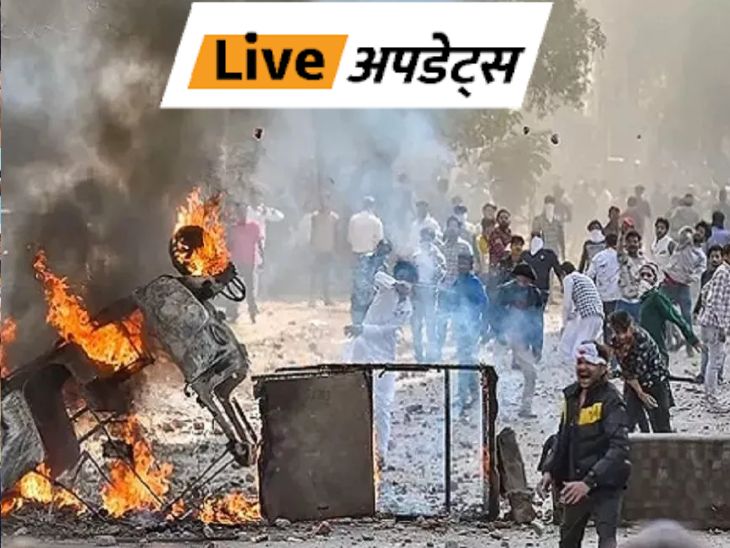
दिल्ली की एक अदालत ने 2020 उत्तर-पूर्वी दिल्ली दंगों से जुड़े मामले में तीन आरोपियों को बरी कर दिया। अदालत ने कहा कि मुख्य गवाह की गवाही भरोसेमंद नहीं थी और उसमें कई विरोधाभास थे।
मामला करावल नगर इलाके में एक युवक पर हमले और लूट से जुड़ा था। कोर्ट ने कहा कि आरोपीयों की पहचान पुख्ता तरीके से साबित नहीं हो सकी, इसलिए उन्हें संदेह का लाभ दिया गया।
जम्मू-कश्मीर में निर्माणाधीन पुलिया गिरने से महिला मजदूर की मौत, 13 घायल
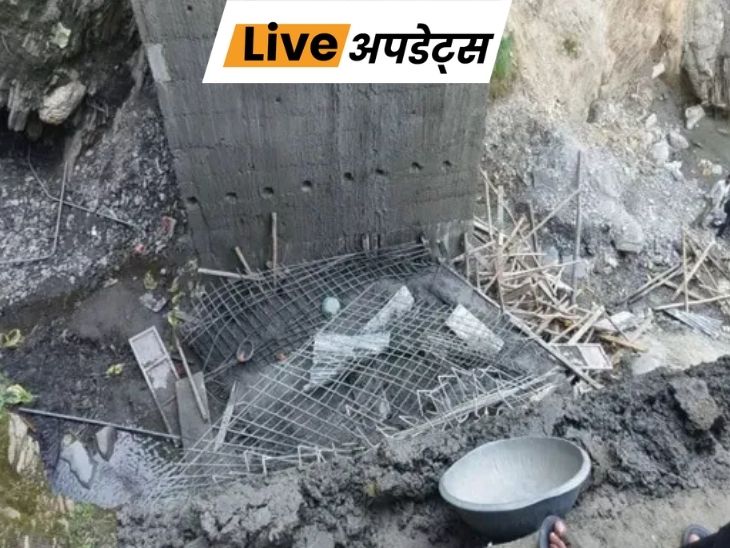
जम्मू-कश्मीर के डोडा जिले में निर्माणाधीन पुलिया गिरने से एक महिला मजदूर की मौत हो गई, जबकि 13 लोग घायल हो गए। हादसा गंडोह इलाके में हुआ।
घायलों को तुरंत अस्पताल पहुंचाया गया। डॉक्टरों के मुताबिक कुछ मजदूरों के सिर में गंभीर चोटें आई हैं और उनका इलाज जारी है।
दिल्ली में प्रेग्नेंट महिला की मौत, परिवार ने दहेज प्रताड़ना का आरोप लगाया
मुस्तफाबाद इलाके में एक गर्भवती महिला की चौथी मंजिल से गिरकर मौत हो गई। महिला के परिवार ने पति और ससुराल वालों पर दहेज के लिए प्रताड़ित करने का आरोप लगाया है।
परिजनों का कहना है कि शादी के कुछ समय बाद ही सोना और नकदी की मांग शुरू हो गई थी। पुलिस मामले की जांच कर रही है और परिवार के बयान दर्ज किए जा रहे हैं।
महाराष्ट्र में सावंतवाड़ी रेलवे स्टेशन का नाम बदलकर लोकमान्य मधु दंडवते रेलवे टर्मिनस होगा
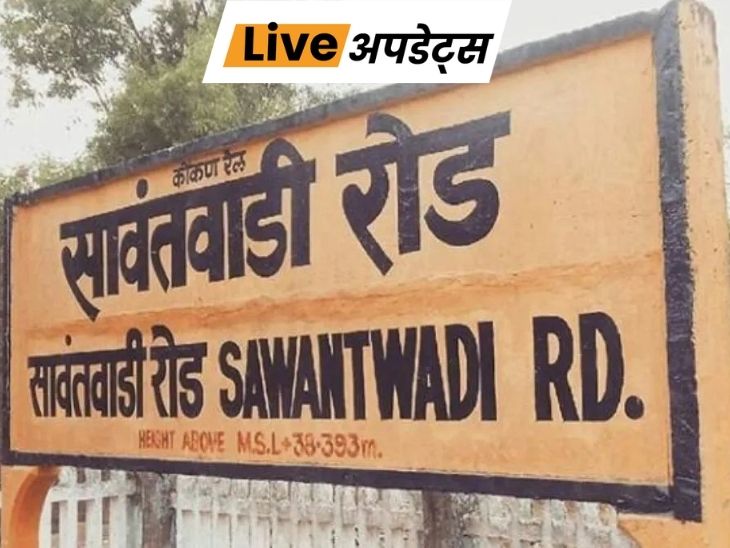
महाराष्ट्र कैबिनेट ने सावंतवाड़ी रेलवे स्टेशन का नाम बदलकर “लोकमान्य मधु दंडवते रेलवे टर्मिनस” करने को मंजूरी दे दी है। मधु दंडवते को कोंकण रेलवे का प्रमुख निर्माता माना जाता है। अब इस प्रस्ताव को अंतिम मंजूरी के लिए केंद्र सरकार के पास भेजा जाएगा।
कैबिनेट ने सरकारी कर्मचारियों के ट्रांसफर की समय सीमा बढ़ाने और ठाणे के एक मंदिर ट्रस्ट को जमीन देने का भी फैसला किया। वहीं नागपुर आउटर रिंग रोड परियोजना के लिए निजी जमीन खरीद पर स्टांप ड्यूटी और रजिस्ट्रेशन शुल्क माफ किया गया है।
दिल्ली के कीर्ति नगर में बैंक बिल्डिंग में आग
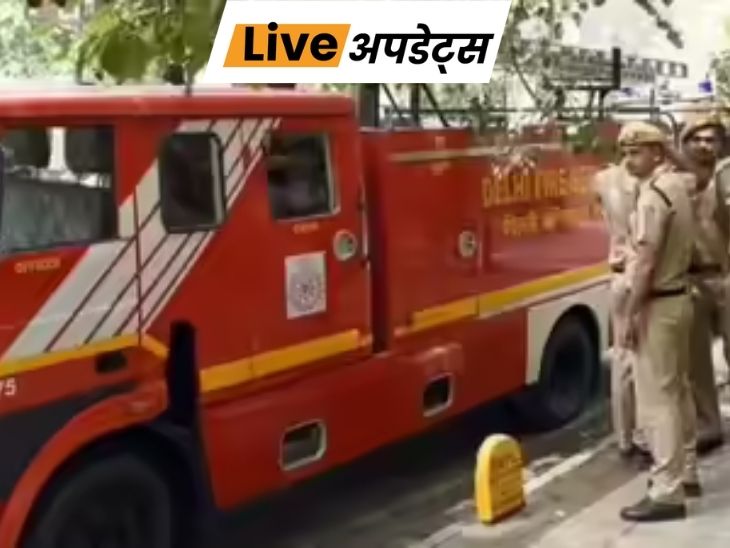
पश्चिमी दिल्ली के कीर्ति नगर इलाके में एक बैंक वाली बिल्डिंग में आग लग गई। आग ग्राउंड फ्लोर पर बिजली के मीटर में शॉर्ट सर्किट की वजह से लगी बताई जा रही है।
धुएं के कारण ऊपर रहने वाले लोग छत के रास्ते पड़ोस की बिल्डिंग में पहुंचे। दमकल की चार गाड़ियों ने आग पर काबू पा लिया। इस घटना में कोई घायल नहीं हुआ।