

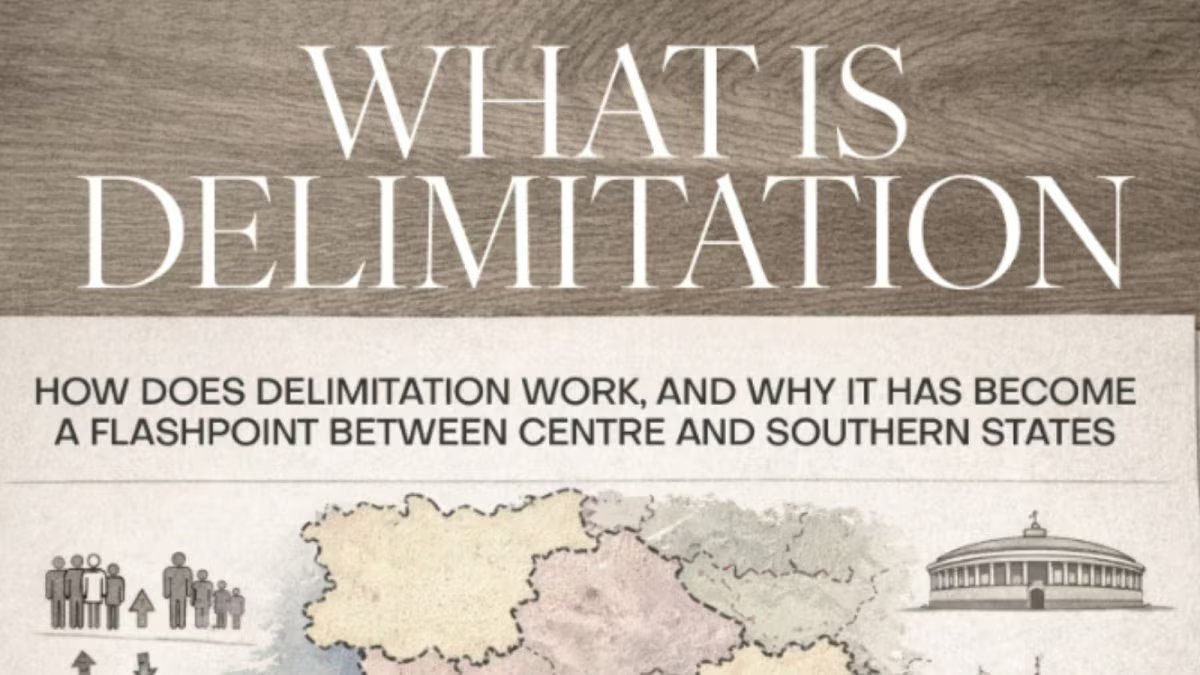
Delimitation is the process of redrawing constituency boundaries based on population changes.
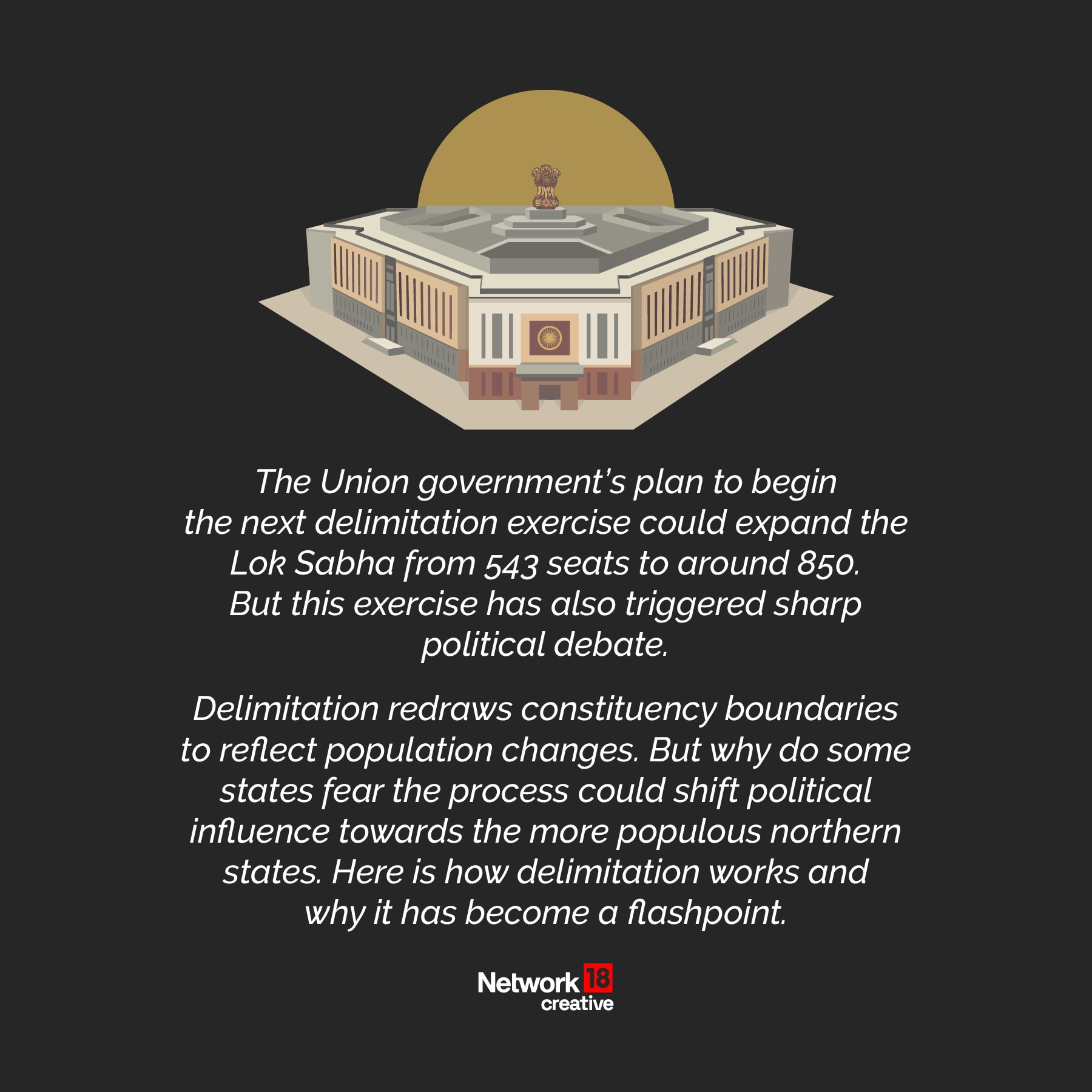
The exercise could expand Lok Sabha seats from 543 to around 850, triggering political debate.
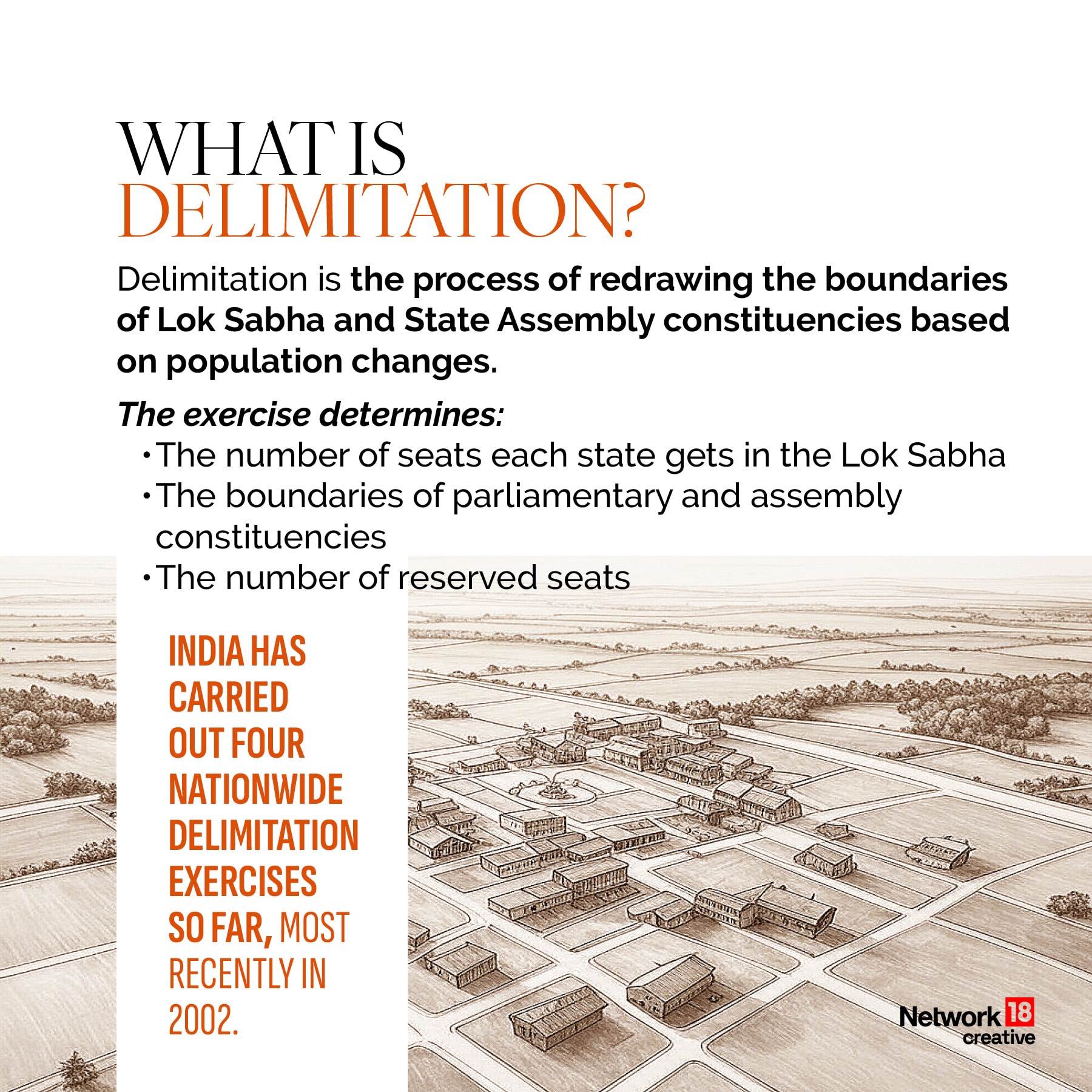
Delimitation redraws Lok Sabha and Assembly constituencies based on population changes, deciding seats and boundaries.
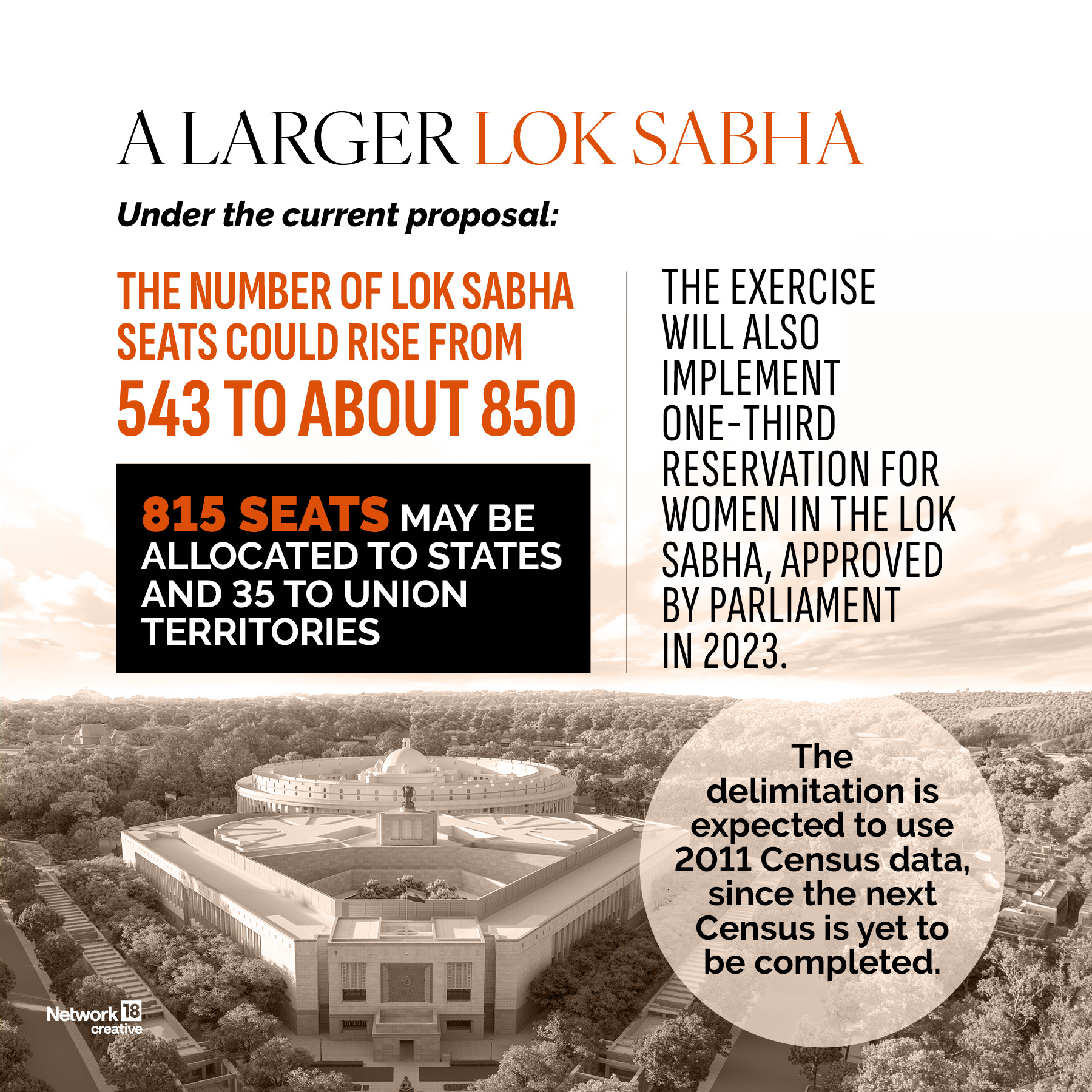
Under the proposal, Lok Sabha seats could increase from 543 to around 850, with reservation for women also being implemented.
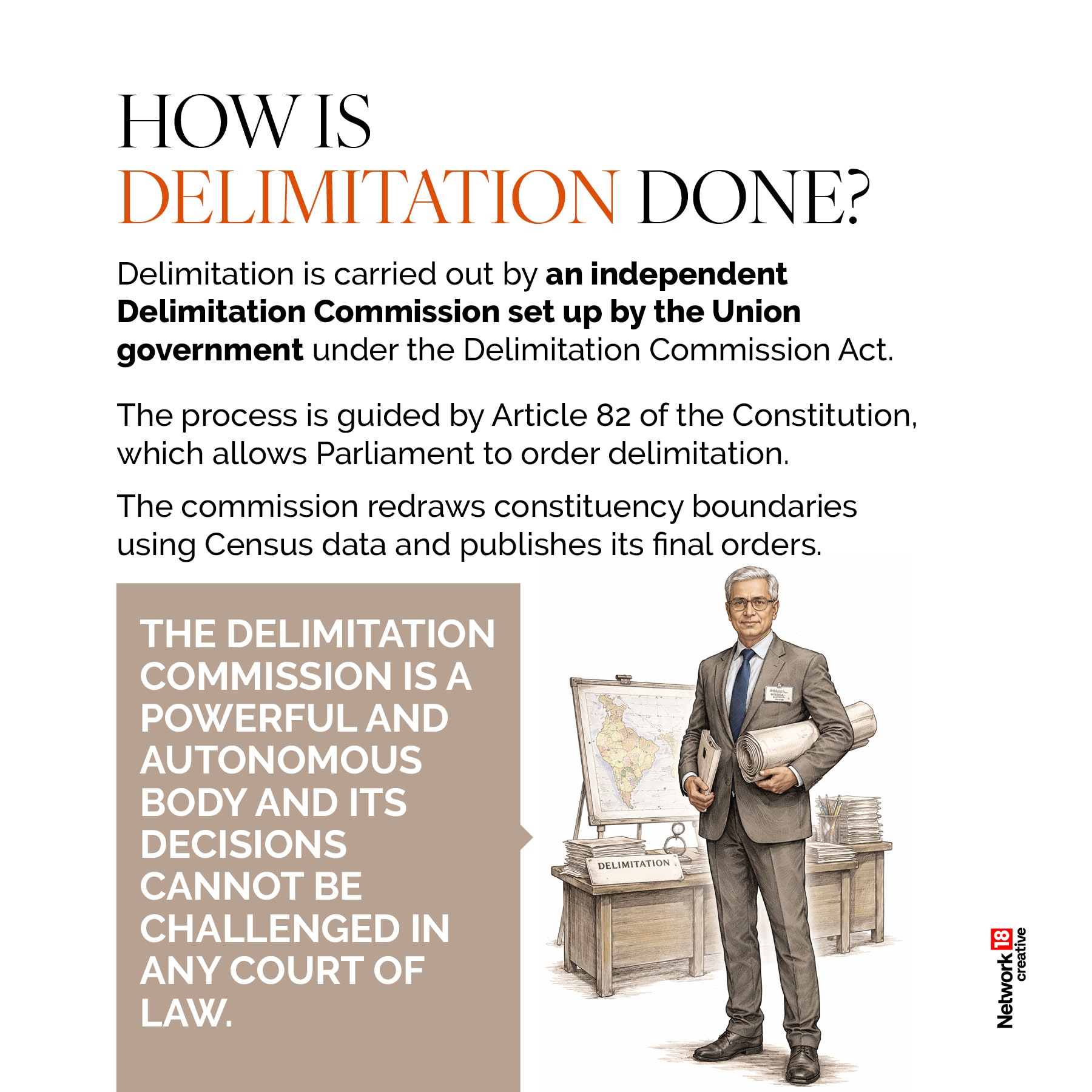
Delimitation is carried out by an independent commission that redraws constituencies using Census data, with decisions that cannot be challenged in court.
Delimitation ensures fair representation by balancing constituencies according to population changes.
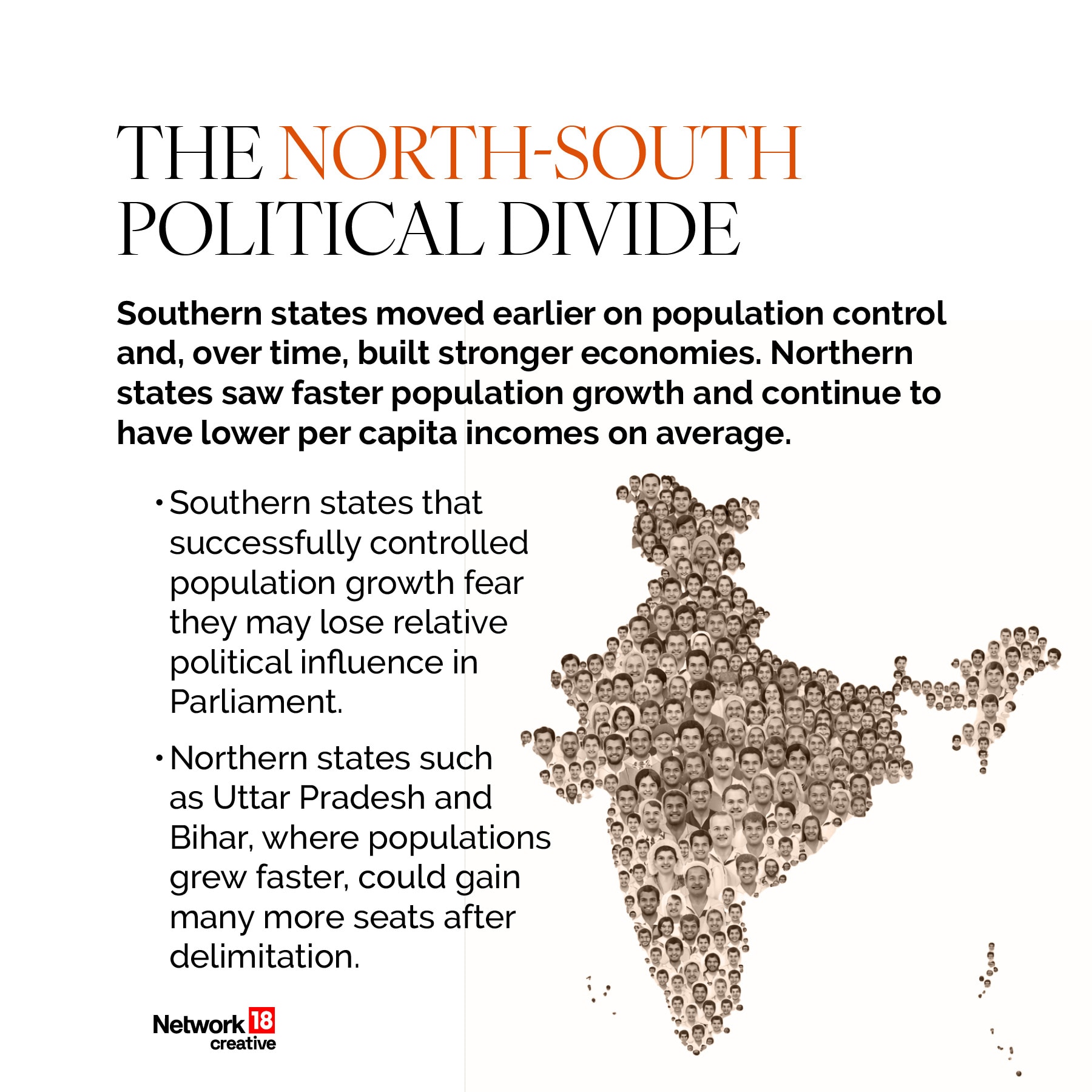
Delimitation could shift political power, with northern states gaining seats while southern states fear losing influence.
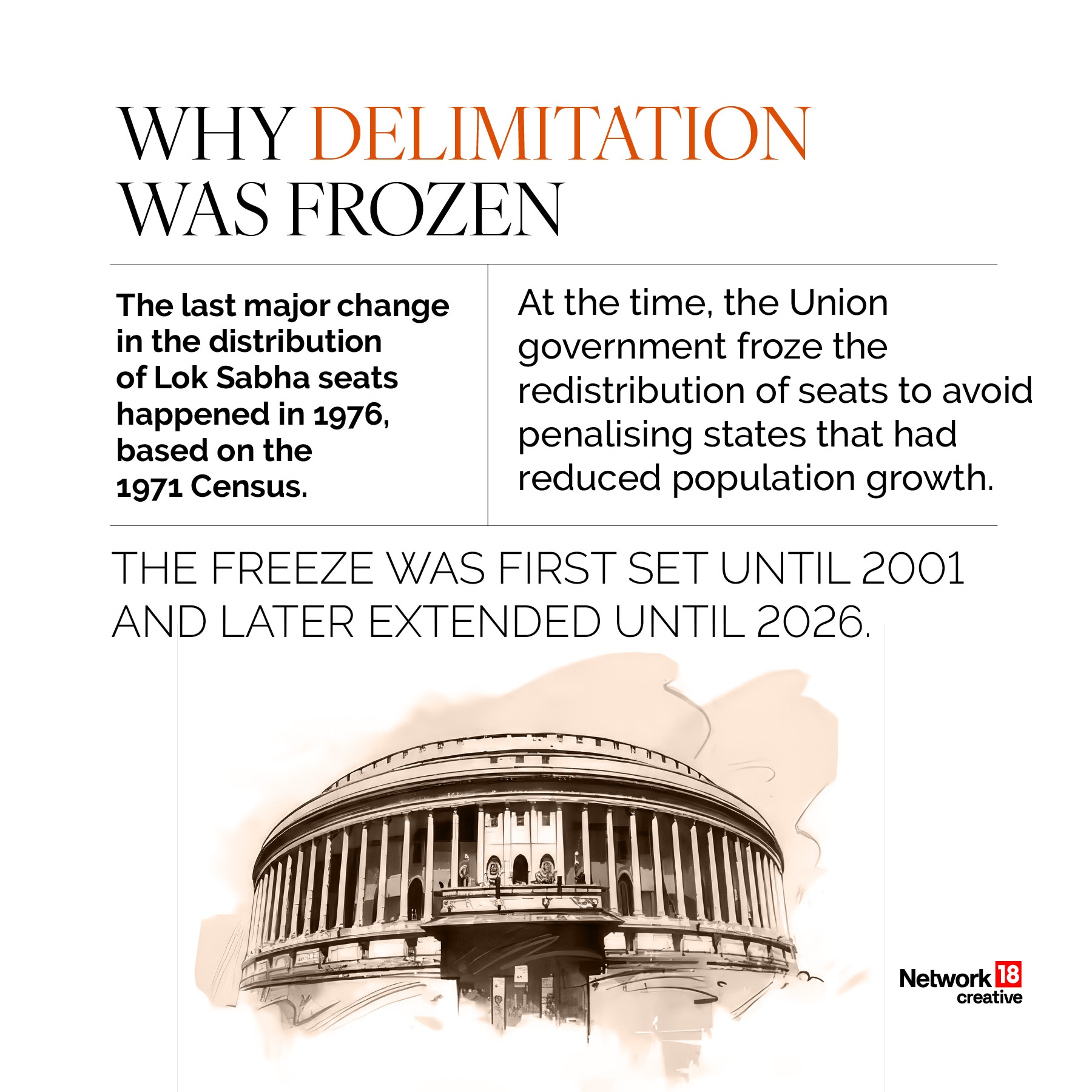
Delimitation may reshape political balance between North and South, with some states gaining influence and others fearing loss.
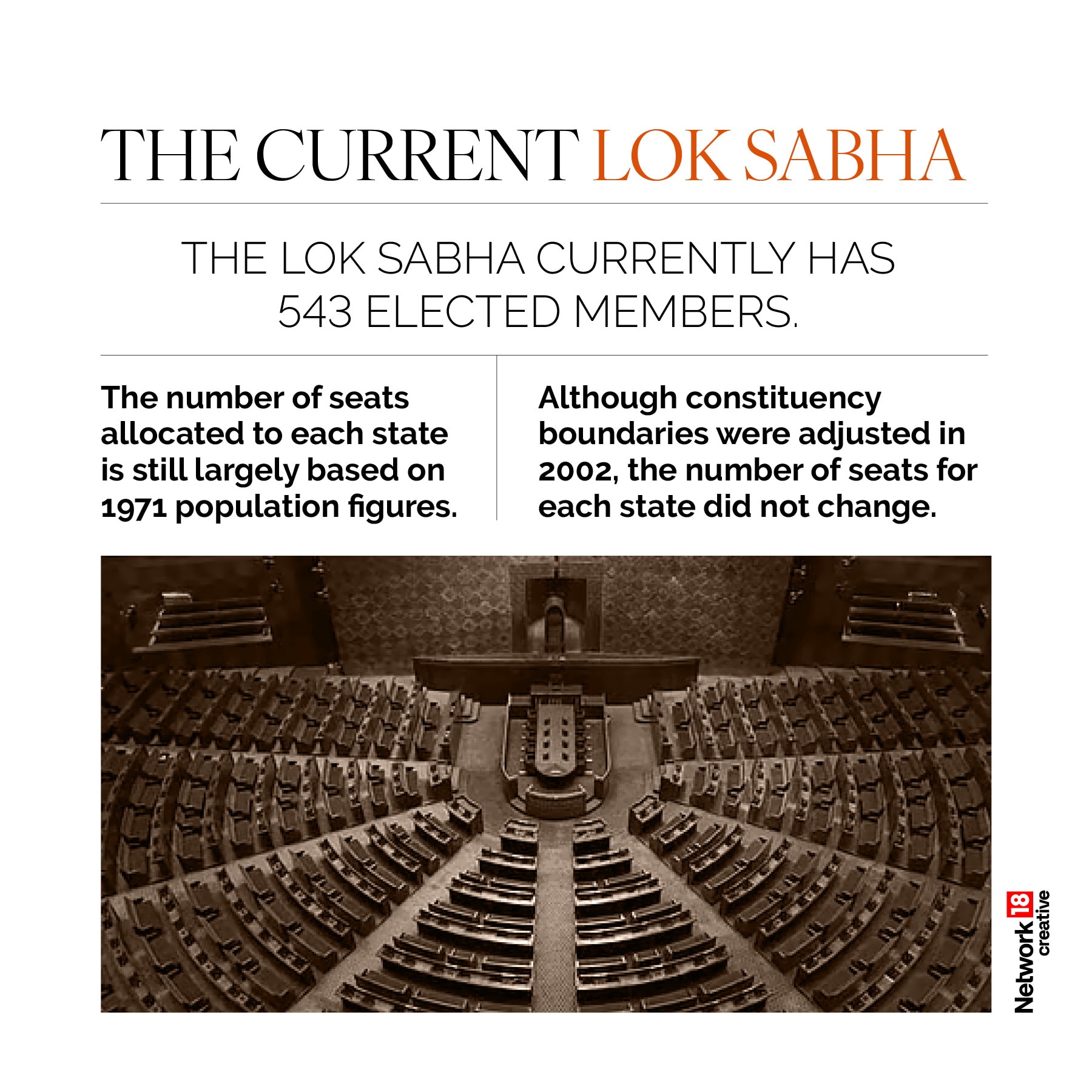
The Lok Sabha currently has 543 seats, with allocations still largely based on 1971 population data.
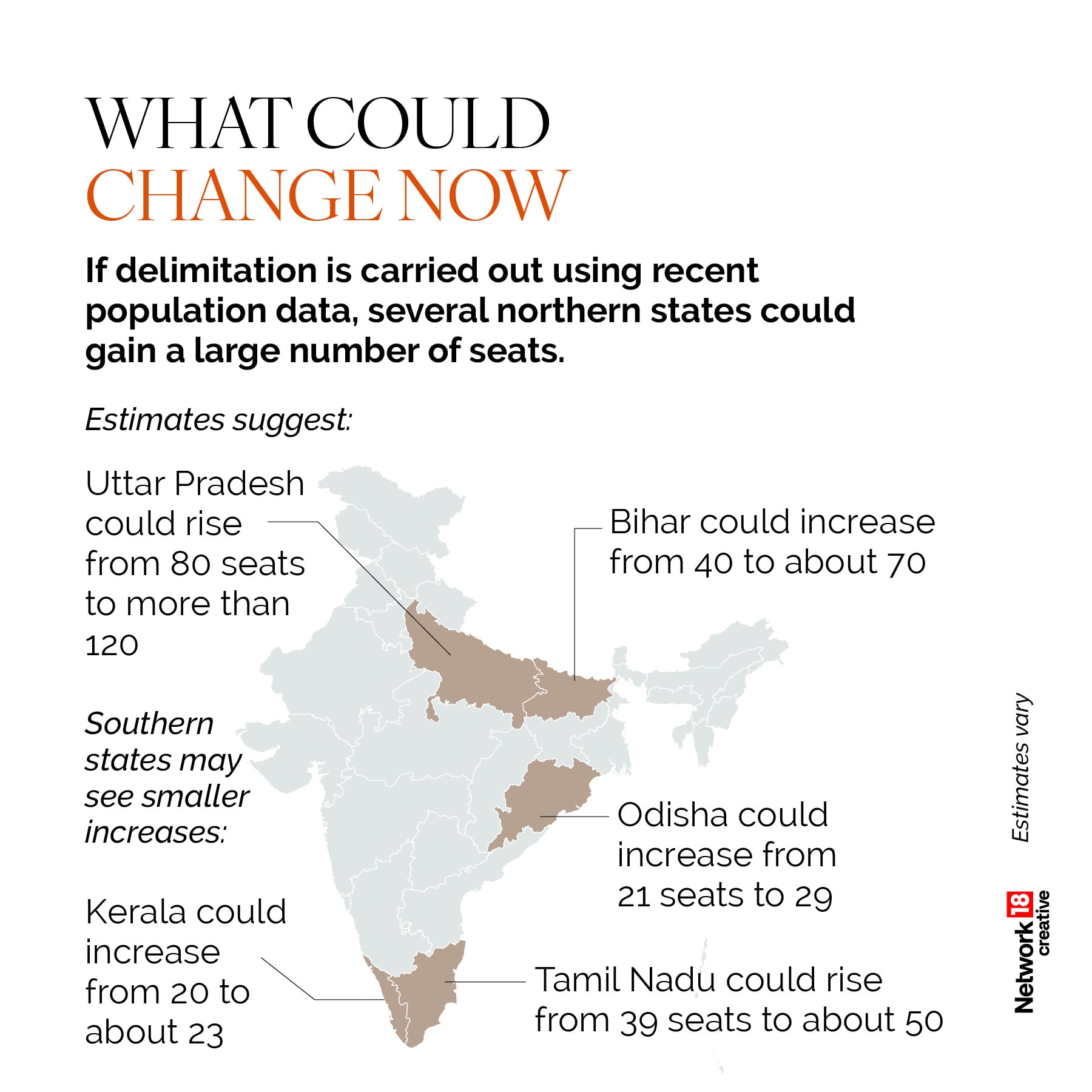
Delimitation based on new population data could significantly boost seats for northern states while southern states see smaller gains.
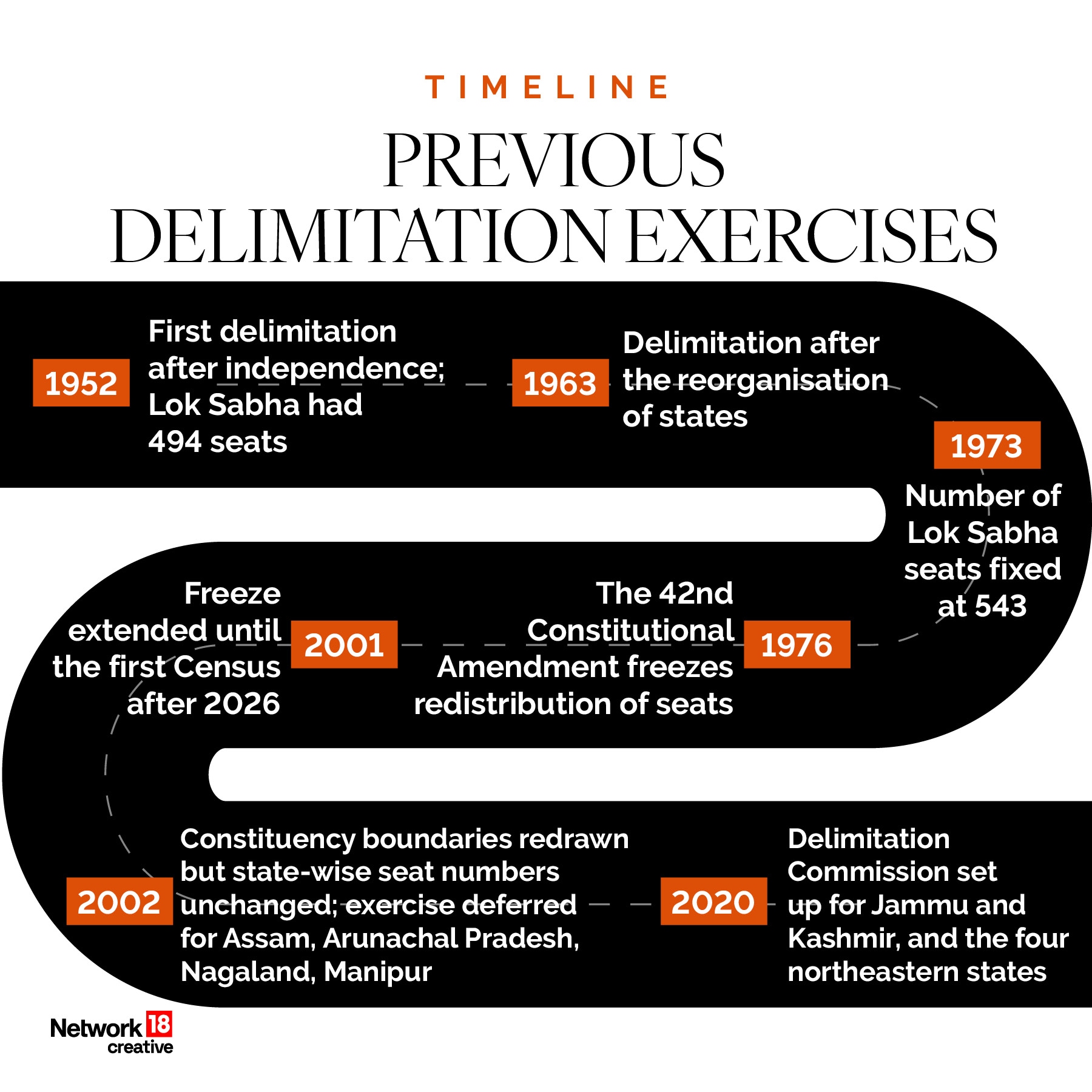
India’s delimitation history spans from 1952 to 2002, with seat redistribution frozen since 1976 and extended till after 2026.
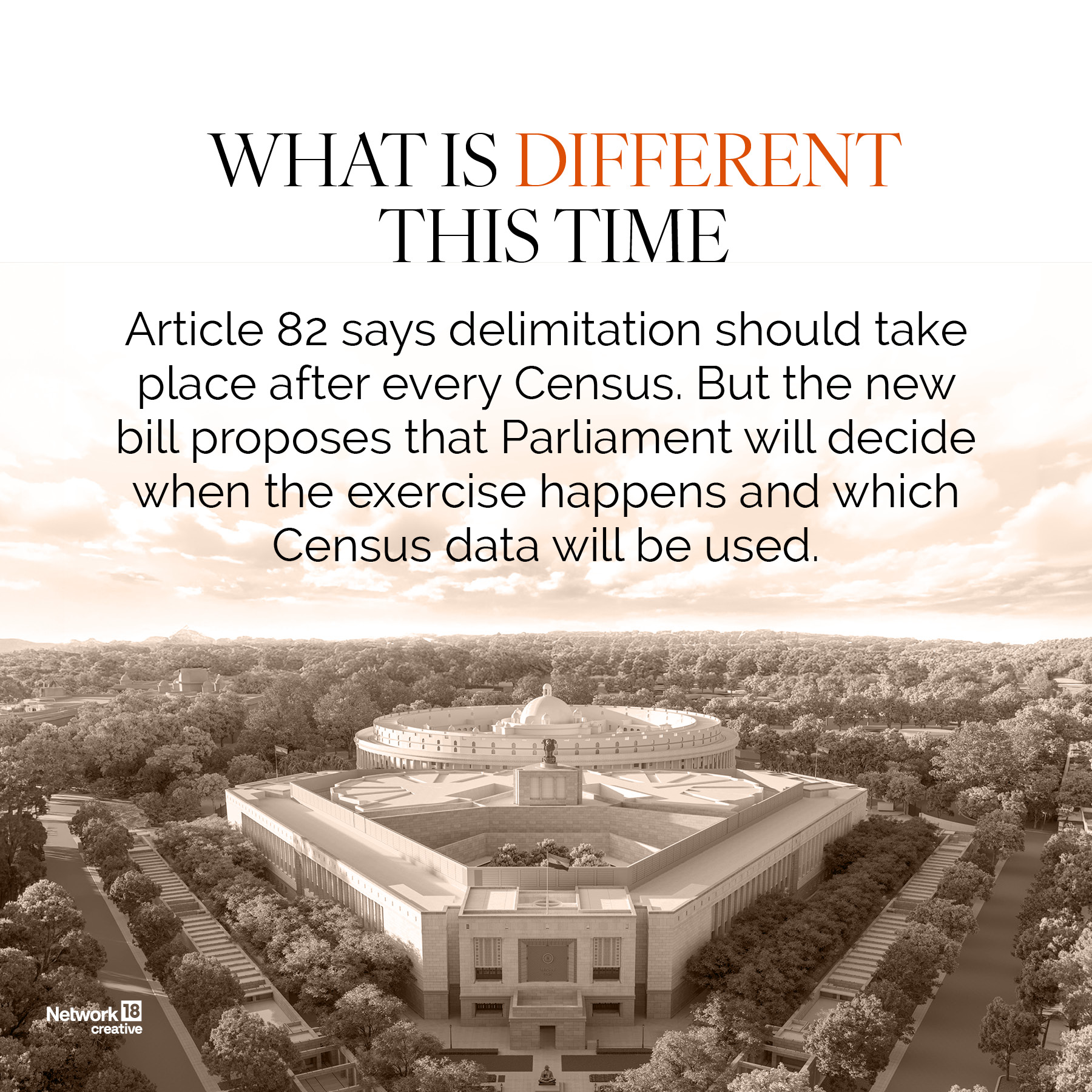
Unlike earlier practice, the new bill lets Parliament decide the timing and Census data for delimitation.