


The Governor’s discretionary powers come into play during exceptional political situations such as a hung Assembly.




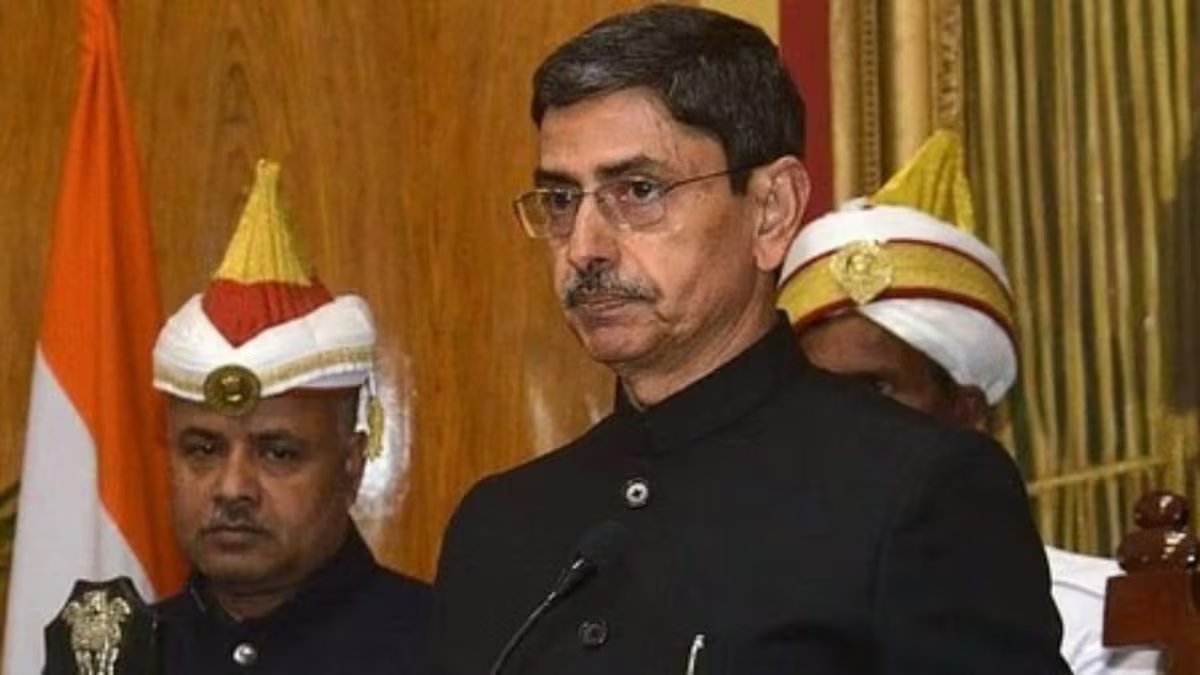
Tamil Nadu Governor RN Ravi (Photo: IANS)
Amid political buzz in Tamil Nadu over possible post-poll realignments, the spotlight has once again fallen on the discretionary powers of the Governor in inviting a claimant to form the government in the absence of a clear majority.
Tamilaga Vettri Kazhagam (TVK) President Vijay, is likely to meet Governor RN Ravi for the third time regarding staking claim to form the new government.
If the meeting takes place, Vijay is expected to cite legal precedents from several states and urge the Governor to allow him to form the government and subsequently prove majority support through a floor test in the Assembly.
Governor’s Discretionary Powers In Government Formation
Under the Indian Constitution, the Governor normally functions on the aid and advice of the elected Council of Ministers. However, in exceptional political situations, the Governor can exercise discretionary powers, particularly during government formation when no party secures a clear majority in the Assembly.
In such circumstances, the Governor acts as a constitutional “referee” to ensure that a stable government is formed in line with constitutional principles.
When Does The Governor Exercise Discretion?
- The Governor’s discretionary role becomes significant in situations such as:
- A hung Assembly where no party wins a majority
- Rival alliances staking claim to form the government
- Collapse of a coalition government
- Doubts over majority support in the House
In these situations, the Governor may decide whom to invite first to form the government.
Powers During Government Formation
The Governor may:
- Invite the single-largest party to form the government
- Invite a pre-poll alliance claiming majority support
- Consider post-poll coalitions and alliances
- Seek letters of support from MLAs
- Direct the claimant to prove majority through a floor test within a specified period
The Governor’s decision is expected to be guided by constitutional conventions, judicial precedents and the possibility of a stable government.
Floor Test Is The Ultimate Majority Check
The Supreme Court has repeatedly held that the appropriate forum to determine majority is the Assembly floor and not the Raj Bhavan.
As a result, Governors are generally expected to order an early floor test when competing claims emerge. This principle has been followed in several political crises across states where governments were asked to prove majority support before the Assembly.
Constitutional Basis
Article 163 of the Constitution states that the Governor may act in discretion in matters where the Constitution permits such action.
While the Constitution does not specifically define every situation, judicial interpretations over the years have recognised the Governor’s discretionary role during government formation in a hung Assembly.
Constitutional experts, however, maintain that these powers are not absolute and must be exercised in a politically neutral and constitutionally fair manner.
Tamil Nadu, India, India
Read More