

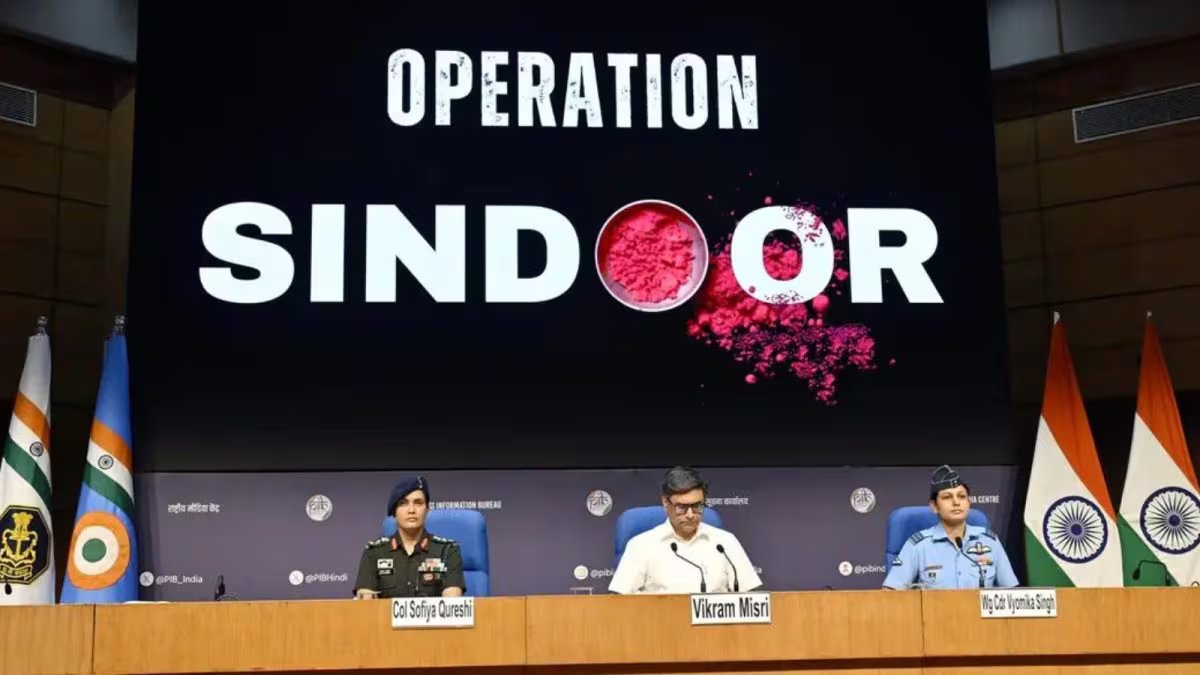
Operation Sindoor stands as a defining moment in India’s defense strategy, combining decisive action, global diplomacy, and technological superiority.




Operation Sindoor Anniversary 2026: Foreign Secretary Vikram Misri, in press briefings from May 8–10, revealed India’s strategic plan. (File pic)
Operation Sindoor Anniversary 2026: On April 22, Pahalgam witnessed a horrifying terror attack when Pakistan-backed militants stormed a village, questioning residents about their religion and killing 26 people. This brutal act aimed to incite communal violence and marked a shift from cross-border attacks to attempts at internal division.
In response, India launched Operation Sindoor, targeting terror bases responsible for the attack. Pakistan retaliated with drones and shelling, striking religious sites including the Shambhu Temple in Jammu, a Gurdwara in Poonch, and several Christian convents, reflecting a calculated attempt to destabilise the region.
India’s Response And Strategic Restraint
During the first press briefing on May 7, India emphasised that its response was focused, measured, and non-escalatory. Officials confirmed that Pakistani military installations were not targeted, while reaffirming that any attack on Indian military assets would trigger a suitable response.
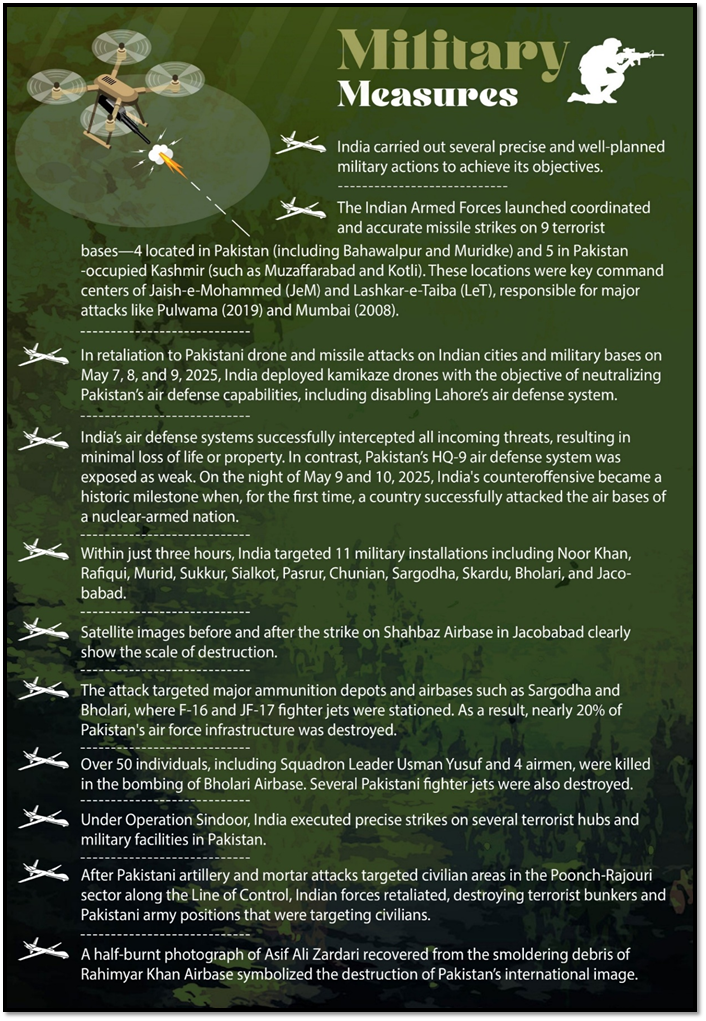
Foreign Secretary Vikram Misri, in press briefings from May 8–10, revealed India’s strategic plan and highlighted Pakistan’s designs, reinforcing India’s commitment to neutralise terrorism without unnecessary escalation.
Operation Sindoor: A Multi-Dimensional Response
Operation Sindoor showcased India’s military and strategic capabilities through a combination of military precision and non-military measures. It successfully:
- Neutralised terrorist threats
- Deterred Pakistani aggression
- Enforced India’s zero-tolerance policy against terrorism
- Maintained strategic restraint while gaining international support
Also Read: The story of how India did the unthinkable with Operation Sindoor
Leading From The Front
Prime Minister Narendra Modi played a crucial role, coordinating the operation even while abroad on a pre-scheduled diplomatic visit. His leadership ensured:
- Precise timing of military actions, including suspension of the Indus Waters Treaty
- Balanced response combining strategic restraint and assertive action
- Clear communication to the nation that Operation Sindoor represented India’s commitment to justice
On May 12, PM Modi addressed the nation, emphasising that the operation reflects the resolve of millions of Indians and the country’s pledge to safeguard its people.
10 Key Facts About India’s Strikes
Nine Terror Camps Eliminated: Major terror launchpads in Pakistan and PoK were destroyed, including facilities of Lashkar-e-Taiba, Jaish-e-Mohammed, and Hizbul Mujahideen, killing over 100 terrorists.
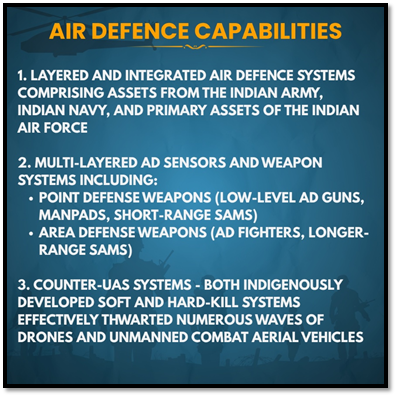
Cross-Border Precision Strikes: India struck deep into Pakistan, including Punjab and Bahawalpur, signaling a new red line against state-backed terrorism.
Targeting Terror Sponsors: Both terrorists and their backers were neutralised, ending the impunity previously enjoyed by Pakistan-based actors.
Read More: Another Confession From Pakistan: Op Sindoor Terrorists Got Military Funerals, Claims Politician
Exposure of Pakistan’s Air Defense Weaknesses: Indian forces bypassed Chinese-supplied defense systems using Rafale jets, SCALP missiles, and HAMMER bombs, completing missions in under 25 minutes.
Demonstration of Air Defense Superiority: India’s Akashteer system and multi-layered defense intercepted hundreds of drones and missiles.
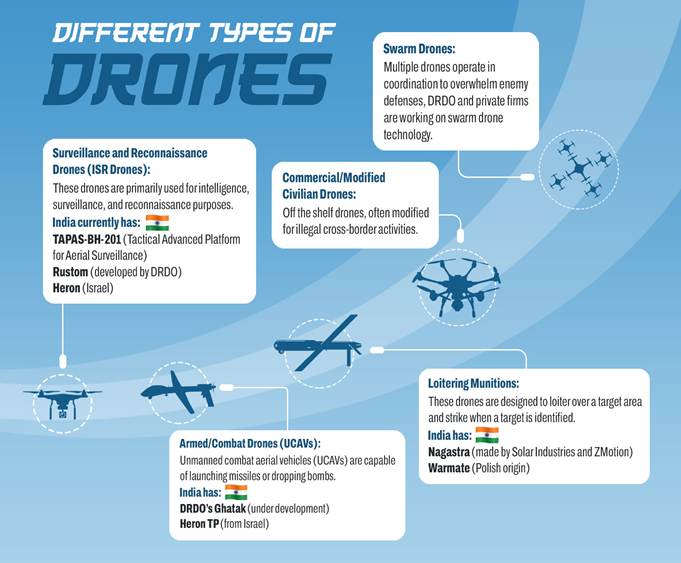
Precision Without Escalation: Civilian areas remained safe, demonstrating India’s zero-tolerance for terror while avoiding full-scale war.
Elimination of Key Terror Commanders: High-value targets, including Yusuf Azhar, Abdul Malik Rauf, and Mudassir Ahmad, were neutralized.
Airstrikes on Pakistani Military Installations: India struck 11 airbases, destroying 20% of Pakistan’s air force assets, including fighter jets and key personnel.
Coordinated Tri-Service Action: Army, Navy, and Air Force worked in unison, highlighting India’s joint military capability.
Global Message and Support: India reinforced that it will defend its citizens independently, with strong backing from global leaders this time.
Operation Sindoor stands as a defining moment in India’s defense strategy, combining decisive action, global diplomacy, and technological superiority. It sent a clear message to terrorists and their sponsors: India is prepared, resilient, and uncompromising in its fight against terrorism.
(Source: PIB)
Operation Sindoor – FAQ
What is Operation Sindoor?
Operation Sindoor was a decisive counter-terrorism operation launched by India on May 7, 2025, in response to the April 22 terror attack in Pahalgam. It involved precision strikes on nine terror camps in Pakistan and PoK to neutralise terrorist threats and deter further attacks.
What triggered the operation?
On April 22, 2025, Pakistan-backed terrorists attacked civilians in Pahalgam, killing 26 people. This was a clear attempt to incite communal violence in India. In retaliation, the Indian government initiated Operation Sindoor to target the infrastructure behind the attack.
Why is it called “Sindoor”?
The name “Sindoor” (vermilion) symbolises the pain of widows and families affected by the Pahalgam terror attack and reflects India’s resolve to protect its citizens.
What were the key terror camps targeted?
Major camps included:
- Markaz Subhan Allah, Bahawalpur (JeM)
- Markaz Taiba, Muridke (LeT)
- Sarjal, Tehra Kalan (JeM)
- Mehmoona Joya, Sialkot (HM)
- Markaz Ahle Hadith, Barnala (LeT)
- Markaz Abbas, Kotli (JeM)
- Other camps were located in Muzaffarabad, Bhimber, Kotli, and Neelum Valley.
How did Pakistan respond?
In the week following the Pahalgam attack, Pakistan used drones and artillery to target religious sites in Jammu, Poonch, and Christian institutions. However, Operation Sindoor remained focused on terror infrastructure, not Pakistani military establishments, maintaining strategic restraint.
How is Operation Sindoor remembered today?
On its anniversary, May 7, 2026, Operation Sindoor is celebrated as a symbol of India’s resolve, military precision, and national unity. It reinforced India’s policy of zero tolerance toward terrorism and showed that the country can protect its citizens decisively while maintaining strategic restraint.
Delhi, India, India
Read More