

With assembly elections due in early 2027, observers say any increase in electricity tariffs could have risked triggering public discontent




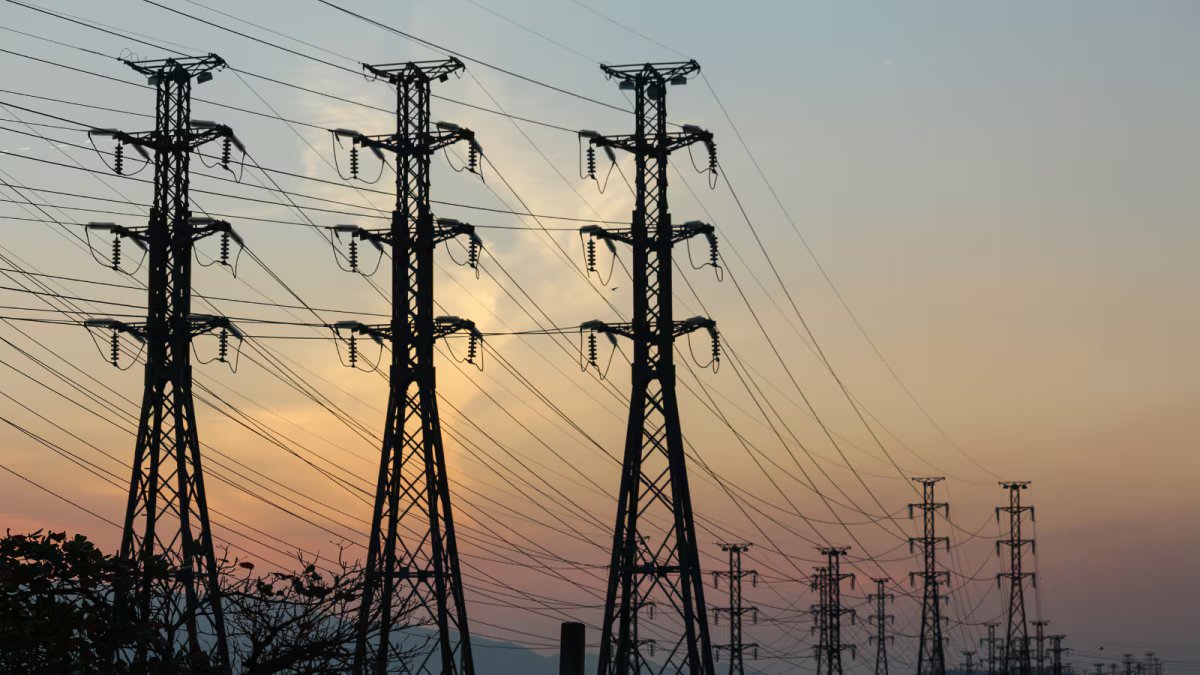
Energy experts, however, caution that the relief may be temporary if structural inefficiencies persist. (Representational image)
The Uttar Pradesh Electricity Regulatory Commission is set to retain existing power tariffs for 2026-27, stretching the zero-hike streak to seven straight years in a move that blends regulatory logic with clear political timing. Political experts say that such decisions, though regulatory on paper, carry “clear electoral signalling” in a state as politically crucial as Uttar Pradesh.
Sources indicate that the commission, which wrapped up public hearings on Annual Revenue Requirement (ARR) petitions earlier this month, is in the final stages of issuing the tariff order. The announcement is expected by the end of April and will come into effect from May, benefiting over 3.5 crore consumers across the state.
While the decision is being justified on technical grounds, its political undertone is unmistakable. With assembly elections due in early 2027, any increase in electricity tariffs could have risked triggering public discontent in a state where power bills directly impact household economics. Maintaining status quo, therefore, not only ensures consumer relief but also aligns with a broader welfare-driven governance pitch.
At the heart of this decision lies a substantial regulatory surplus. In its previous tariff order, UPERC had flagged a surplus exceeding Rs18,500 crore, even after adjusting the annual revenue gap. This cushion has allowed the regulator to avoid tariff hikes despite mounting financial stress in the power sector.
“The surplus gives the commission enough room to hold tariffs without violating regulatory principles,” a senior official said. “Technically, there is no immediate need for a hike.”
The surplus is largely a result of tighter expenditure norms introduced under the 2019 tariff regulations, which capped allowable costs and led to a scenario where approved revenues exceeded admissible expenditure. Additionally, gains linked to the Centre’s UDAY scheme—under which the state took over a significant portion of discom debt—have been treated as consumer-benefiting surplus.
However, the financial health of distribution companies (discoms) remains a concern, with cumulative losses crossing Rs 1 lakh crore. Power utilities have repeatedly challenged the regulator’s approach, and several tariff orders are currently under litigation before the Appellate Tribunal for Electricity (APTEL). The outcome of these cases is expected to shape future tariff revisions.
Despite these challenges, discoms this year refrained from aggressively pushing for a tariff hike, leaving the decision to the regulator—an indication of both the available surplus and the prevailing political climate.
Political analysts see the tariff freeze as part of a larger electoral strategy.
Shashikant Pandey, Head of the Department of Political Science at Dr Bhimrao Ambedkar University, said the move fits into the ruling party’s tested model of welfare-driven consolidation. “Over the past few elections, the BJP has effectively combined welfare delivery with targeted economic relief. Schemes like Pradhan Mantri Ujjwala Yojana, Pradhan Mantri Awas Yojana and the Free Ration Scheme have directly impacted households. Keeping electricity tariffs unchanged adds to that basket of benefits and reinforces the perception of a government sensitive to everyday costs,” he said.
Pandey added that such decisions, though regulatory on paper, carry “clear electoral signalling” in a state as politically crucial as Uttar Pradesh.
Energy experts, however, caution that the relief may be temporary if structural inefficiencies persist. “The real issue is not just tariffs but the operational health of discoms—transmission losses, billing gaps and subsidy dependence,” said a Lucknow-based power sector analyst. “If those aren’t fixed, the financial stress will eventually catch up.”
Interestingly, UPERC had earlier noted that a tariff reduction might be required to fully adjust the accumulated surplus but chose not to implement it, citing the fragile financial condition of discoms. The current approach, therefore, appears to strike a balance—offering consumer relief without further straining utilities.
April 21, 2026, 23:30 IST
Read More