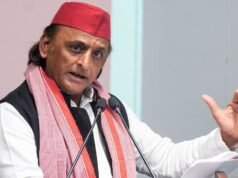


Joseph Vijay’s TVK used fan clubs to mobilise voters, avoided traditional media and controversies, marking a major shift in Tamil Nadu politics.




After being declared as the winner, Vijay did not address a massive rally for his supporters but chose to celebrate with his family and close relatives.
The surprising win of actor-turned-politician Joseph Vijay’s two-year-old Tamilaga Vettri Kazhagam (TVK) party has marked a major shift in Tamil Nadu politics, where two major parties had been in power for past several decades. Let us explore how this new party relied on strong social media presence and its existing fans to mobilise voters.
Relying On Fan Clubs
TVK was heavily dependent on Vijay’s pre-existing fan clubs under the Vijay Makkal Iyakkam. These clubs had presence across the state even before the formation of the political party. Previously, they used to organize events and welfare work. After formation of the party, TVK used this network into a political structure.
According to Economic Times, TVK in February 2025 announced plans to appoint over 70,000 booth-level agents, close to the number of polling booths in the state. These agents handled voter turnout, local issues, and election-day work on the ground.
Limited Media Exposure
Unlike DMK and AIADMK leaders, Vijay chose to avoid traditional press conferences and unscripted interviews before the poll campaigns. This strategy reduced risks of TVK running into controversies.
Interestingly, even after the initial results, TVK chief did not speak to mainstream media outlets and instead chose to wait for finals numbers. After being declared as the winner, he did not address a massive rally for his supporters but chose to celebrate with his family and close relatives.
Key Role Of TVK’s IT Wing
TVK chief Vijay had described his party’s IT and social media wing as “the best in India.” The team named “Voice of Commons” created short videos, reels, and visuals aimed at younger voters. It focused on themes of social justice, secularism, egalitarianism, and welfare.
There was good usage of Instagram, YouTube, X, and WhatsApp to share official messages and fan-generated content. Instead of just having massive rallies, the party used hashtags to spread information without heavy spending on advertising. Supporters acted as “virtual warriors” and maintained disciplined online messaging.
Read More