
एलेक्जेंडर ज्वेरेव ने पहला ग्रैंड स्लैम जीता: भारत-नेपाल ने क्रॉस बॉर्डर डिजिटल पेमेंट शुरू किया, 9 जून के करेंट अफेयर्स

2 मिनट पहले
- कॉपी लिंक
1. गृहमंत्री अमित शाह आज डिजिटल लैंड पोर्ट मैनेजमेंट सिस्टम लॉन्च करेंगे
- 9 जून को गृहमंत्री अमित शाह डिजिटल लैंड पोर्ट मैनेजमेंट सिस्टम (LPMS) लॉन्च करेंगे।
- LPMS एक डिजिटल प्लेटफॉर्म है, जो बंदरगाहों पर माल की आवजाही के लिए स्लॉट बुकिंग, पेमेंट और ट्रैकिंग को आसान बनाएगा।
- LPMS से सभी लैंड पोर्ट्स के कामकाज को एक ही सिस्टम में जोड़ा जाएगा। इस स्मार्ट सिस्टम से पोर्ट पर आवाजाही डॉक्युमेंटलेस हो सकेगी।
- ये पहल भारत के बॉर्डर इंफ्रास्ट्रक्चर को एयरपोर्ट और सीपोर्ट की तरह आधुनिक और डिजिटल बनाने के लिए है।
- LPMS लॉन्च का मुख्य उद्देश्य देश की बोर्ड सिक्योरिटी को और ज्यादा मजबूत और हाईटेक बनाना है।
- LPMS सिस्टम से व्यापार में आसानी होगी और सिक्योरिटी चेक में लगने वाला समय लगभग आधा हो जाएगा।
- LPMS स्मार्ट बॉर्डर मैनेजमेंट का हिस्सा है। इस सिस्टम से बिजनेस के दौरान पोर्ट पर लॉजिसटिक से जुड़ी जानकारी तुरंत मिल सकेंगी।
- इस सिस्टम से पेमेंट के साथ ही ट्रैकिंग और सिंगल विंडो क्लीयरेंस सहित कार्गो और पैसेंजर के लिए एंड-टू-एंड डिजिटल वर्क आसानी से किया जा सकेगा।
स्पोर्ट्स (SPORTS) 2. एलेक्जेंडर ज्वेरेव ने ग्रैंड स्लैम जीता
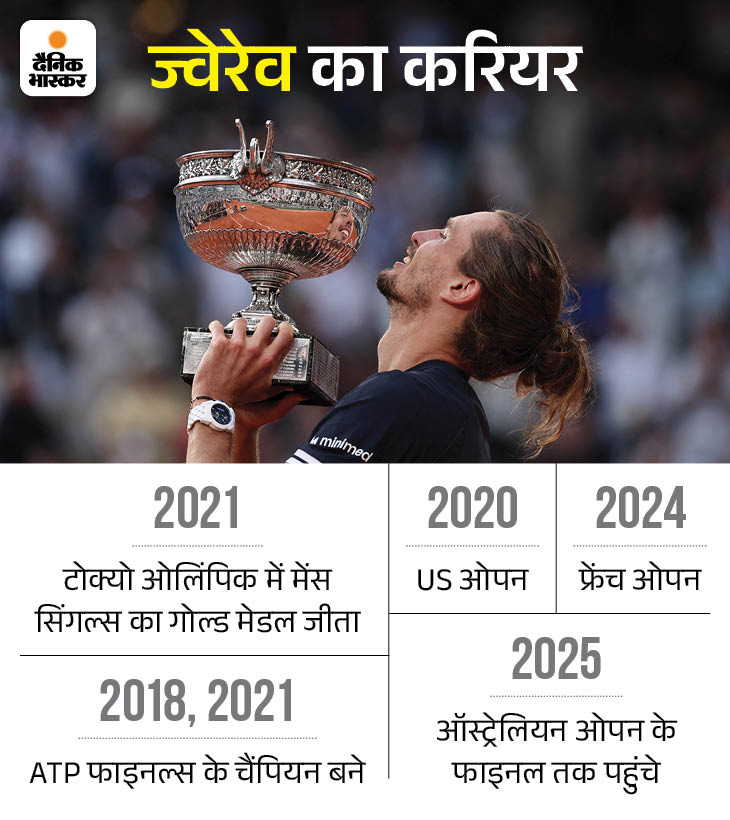
- 7 जून को जर्मनी के टेनिस प्लेयर एलेक्जेंडर ज्वेरेव ने अपने करियर का पहला ग्रैंड स्लैम जीता।
- ज्वेरेव ने फ्रेंच ओपन 2026 के फाइनल में इटली के फ्लेवियो कोबोली को हराया।
- ज्वेरेव ने फ्लेवियो को पांच सेटों में 6-1, 4-6, 6-4, 6-7, 6-1 से हराया।
- ज्वेरेव ग्रैंड स्लैम में तीन बार फाइनल में और सात बार सेमीफाइनल में खेल चुके हैं।
- ज्वेरेव ने मास्टर्स 1000 इवेंट्स के साथ दो एटीपी फाइल्स भी जीते हैं।
- 2008 के बाद ज्वेरेव सबसे कम उम्र के एटीपी फाइनल चैंपियन बने।
- ज्वेरेव 89 साल बाद फ्रेंच ओपन का खिताब जीतने वाले जर्मन खिलाड़ी हैं।
- ज्वेरेव से पहले 1937 में जर्मनी के हेनर हेन्केल ने ये टूर्नामेंट जीता था।
- .एक कैलेंडर वर्ष के दौरान खेले जाने वाले चार सबसे प्रतिष्ठित टेनिस टूर्नामेंट्स फ्रेंच ओपन, ऑस्ट्रेलियन ओपन, विम्बलडन और यूएस ओपन को ग्रैंड स्लैम कहा जाता है।
4. ब्रिटिश एक्टर एंथनी हेड का निधन
- 7 जून को ब्रिटिश एक्टर एंथनी हेड का निधन हो गया। वे 72 साल के थे।
- एंथनी ‘बफी द वैम्पायर स्लेयर’ और ‘टेड लासो’ जैसे अपने किरदारों के लिए जाने जाते थे।
- एंथनी ने सारा मिशेल गेलर के साथ ‘बफी’ के सभी सात सीजन में रूपर्ट जाइल्स का किरदार निभाया है।
- एंथनी स्केच कॉमेडी सीरीज ‘लिटिल ब्रिटेन’ में पीएम की भूमिका निभाई थी, जो उनका एक मशहूर किरदार माना जाता है।
- एंथनी ने द आयरन लेडी में भी काम किया है। एंथनी ने इस फिल्म में सर जेफरी होव’ का किरदार निभाया था।
- ये फिल्म पूर्व ब्रिटिश प्रधानमंत्री मार्गरेट थैचर की जीवनी पर आधारित है।

एंथनी ने अपने करियर की शुरुआत यूके एक एक थियेटर से की थी।
मिसलीनियस (MISCELLENEOUS)
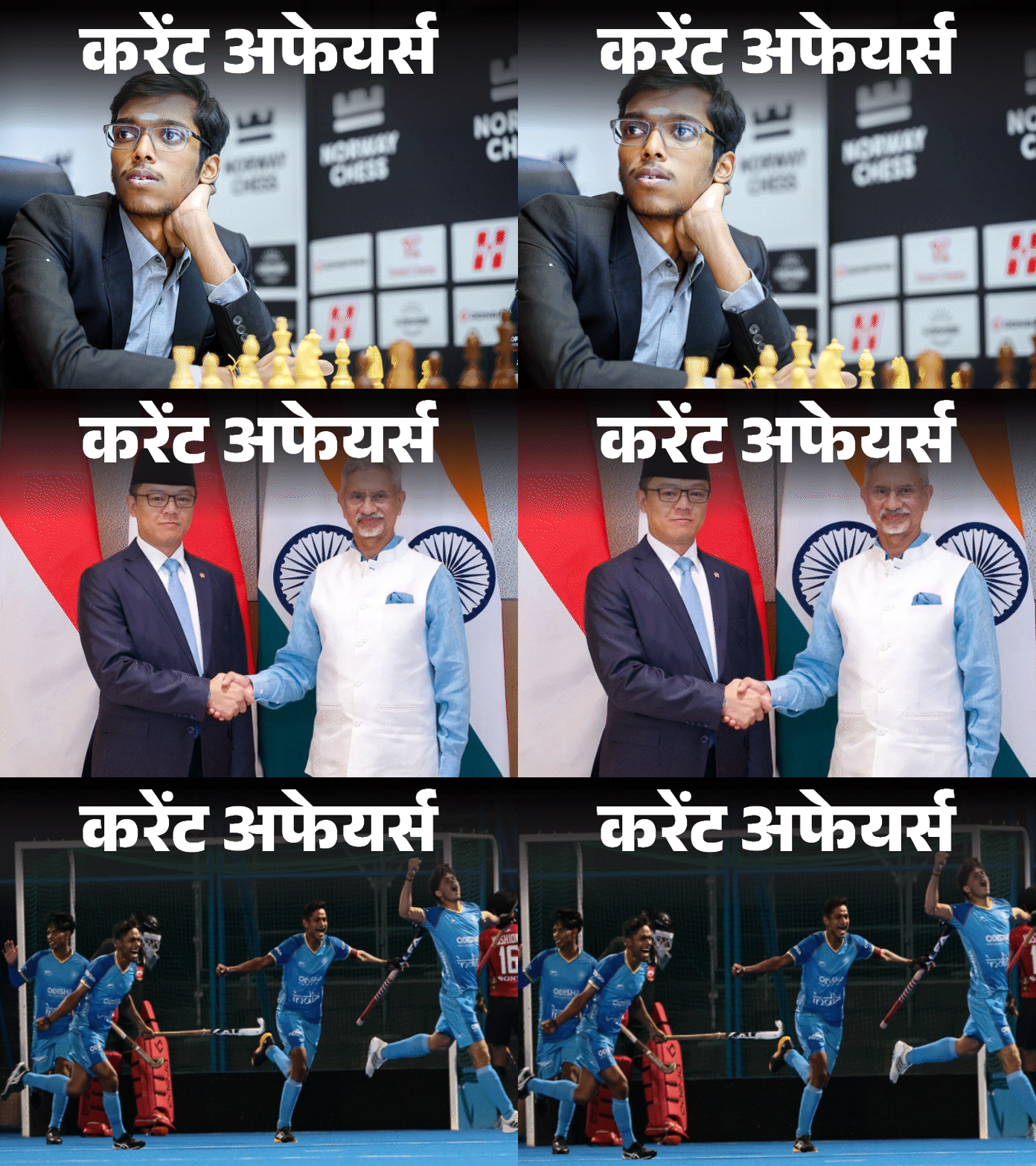
5. भारत-नेपाल ने क्रॉस बॉर्डर डिजिटल पेमेंट के लिए MoU किया
- 7 जून को भारत और नेपाल ने क्रॉस बॉर्डर डिजिटल पेमेंट को पूरी तरह लागू करने के लिए एक MoU किया।
- ये MoU नेपाल के विदेश मंत्री शिशिर खनाल की भारत यात्रा के दौरान हुआ।
- इस MoU के अंतर्गत भारत के UPI (यूनिफाइड पेमेंट इंटरफेस) और नेपाल के नेशनल पेमेंट इंटरफेस (NPI) को जोड़ने पर सहमति बनी है।
- इस MoU के बाद नेपाली नागरिक भारत में और भारतीय नागरिक नेपाल में मोबाइल से डिजिटल पेमेंट कर सकेंगे।
- ये फैसिलिटी पर्सनल रेमिटेंस यानी, पर्सन टू पर्सन और बाकी बॉर्डर के पार होने वाले पेमेंट्स को आसान बनाएगी।
- इससे पहले तक यदि कोई भारतीय नागरिक नेपाल में कोई ट्रांसेक्शन करता था, तो 1.3 और 2% के बीच चार्ज किया जाता था।
- जबकि, भारत में किसी भी नेपाली नागरिक के लिए जनवरी 2020 से UPI यूजर और व्यापारियों दोनों के लिए ये सर्विस मुफ्त है।
- इस MoU के बाद किसी भी तरह के एक्स्ट्रा चार्ज को इंटरनेशनल पेमेंट लिमिटेड (भारत) और नेपाल क्लीयरिंग हाउस लिमिटेड (नेपाल) वहन करेंगे।
- मार्च 2024 से भारतीय पर्यटक नेपाल में UPI-बेस्ड QR पेमेंट कर रहे थे। अब इस MoU के बाद दोनों ही मोड में पेमेंट आसान हो सकेगा।
- भारत ने 2023 में डिजिटल पेमेंट और रेमिटेंस के लिए MoU किया था, जिसे अब ऑपरेशनल लेवल पर लागू किया जाएगा।
- इसके साथ ही विदेश मंत्री एस जयशंकर ने नेपाल में भूकंप के बाद पुनर्निर्माण परियोजनाओं के हिस्से के रूप में 72 हेल्थ सेक्टर और 12 कल्चरल सेक्टर के प्रोजेक्ट्स पर भी नेपाल से समझौता किया।
- 2015 के भूकंप के बाद नेपाल में पुनर्निर्माण के लिए भारत प्रमुख दानदाता था। भारत ने अनुदान और लोन में 1 बिलियन डॉलर देने का वादा किया था।

External Affairs Minister of India @DrSJaishankar and Minister for Foreign Affairs of Nepal @shisir jointly launched the linkage between @UPI_NPCI 🇮🇳 and National Payments Interface 🇳🇵for facilitating cross-border personal remittances on 6 June 2026. Glance through the video… pic.twitter.com/TRw4gmrgv1— IndiaInNepal (@IndiaInNepal) June 8, 2026
6. पश्चिम बंगाल में AB-PMJAY योजना शुरू होगी
- 8 जून को पश्चिम बंगाल सरकार ने आयुष्मान भारत- प्रधानमंत्री जन आरोग्य योजना (AB-PMJAY) के लिए राष्ट्रीय स्वास्थ्य प्राधिकरण (NHA) के साथ समझौता ज्ञापन (MoU) पर साइन किए।
- नई दिल्ली में केंद्रीय स्वास्थ्य मंत्री जे.पी. नड्डा और पश्चिम बंगाल के मुख्यमंत्री सुवेंदु अधिकारी की मौजूदगी में ये MoU साइन किया गया।
- पश्चिम बंगाल सरकार अब राज्य में केंद्र की आयुष्मान भारत योजना लागू करेगी और पश्चिम बंगाल PMJAY लागू करने वाला देश का 36वां राज्य होगा।
- इससे पश्चिम बंगाल के लोगों को स्वास्थ्य खर्चों से वित्तीय सुरक्षा मिलेगी। इस योजना में लाभार्थी देशभर में लिस्टेड किसी भी हॉस्पिटल में अपना इलाज करवा सकते हैं।
- इस योजना के तहत पात्र परिवारों के मुखिया को हर साल 5 लाख रुपए तक का कैशलेस स्वास्थ्य कवर मिलता है।
- इस योजना में राज्य और केंद्र सरकार मिलकर इसका खर्च वहन करते हैं। सामान्य राज्यों में केंद्र सरकार खर्च का 60% और राज्य सरकार 40% खर्च उठाते हैं।
- वहीं, पूर्वोत्तर और हिमालयी राज्यों में केंद्र सरकार 90% और राज्य सरकार 10% खर्च उठाती हैं।
- आयुष्मान भारत योजना की शुरुआत 23 सितंबर 2018 को रांची, झारखंड से की गई थी।
आज का इतिहास
- 1653 में 22 सालों के लंबे समय के बाद आगरा के ताजमहल का निर्माण पूरा हुआ।
- 1964 में देश के पहले पीएम जवाहरलाल नेहरू के निधन के बाद लाल बहादुर शास्त्री ने देश के दूसरे पीएम के तौर पर पदभार संभाला।
- 1900 में आदिवासी स्वतंत्रता सेनानी बिरसा मुंडा का निधन हुआ, उन्होंने ब्रिटिश शासनकाल के समय स्थानीय जमींदारों के खिलाफ आंदोलन का नेतृत्व किया था।
- 2011 में पद्म विभूषण प्रसिद्ध पेंटर एम.एफ. (मकबूल फिदा) हुसैन का निधन हुआ।
——————
ये खबर भी पढ़ें..
प्रज्ञानानंदा नॉर्वे चेस 2026 जीतने वाले पहले भारतीय बने:मेजर अभिलाषा को UN मिलिट्री जेंडर अवार्ड मिला, 8 जून के करेंट अफेयर्स
आज के प्रमुख करेंट अफेयर्स, जो सरकारी नौकरियों की तैयारी कर रहे स्टूडेंट्स के लिए जरूरी हैं- पूरी खबर पढ़ें..