

Mumbai built its economy on migrant labour. Now it wants to test them on Marathi. That tension seems to be at the heart of Shiv Sena’s identity crisis | Read below to know why




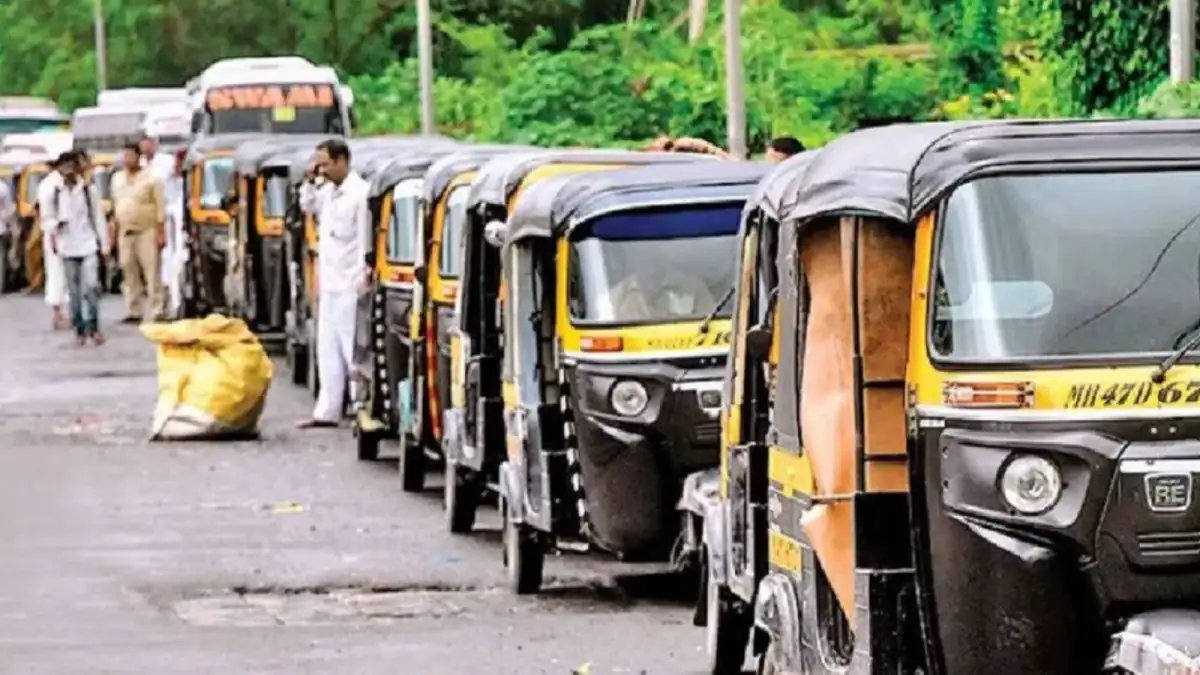
Maharashtra drivers must demonstrate they can read, write, and speak Marathi.
Fresh signs of discomfort have emerged within the Eknath Shinde-led Shiv Sena over Maharashtra’s new rule making Marathi mandatory for auto-rickshaw and taxi drivers — with a senior party leader breaking ranks and giving thousands of migrant drivers an unexpected political voice.
Sanjay Nirupam — one of the party’s most prominent North Indian faces — has written to Transport Minister Pratap Sarnaik asking for the Marathi language test to be reconsidered.
In his letter, he argued that language should be promoted through encouragement, not fear, and that drivers who have spent years serving Mumbai deserve protection, not a threat to their livelihood.
Sanjay Nirupam To Meet Auto, Taxi Drivers Today
On Friday, April 24, he is holding a direct dialogue with auto and taxi drivers in Dahisar, western Mumbai — taking the fight to the ground.
Why Does This Matter For Drivers?
Mumbai’s transport workforce has a large number of migrants from Uttar Pradesh, Bihar, Gujarat and Punjab. Many have driven in the city for years — some for decades.
The rule, set to take effect from May 1, could put their licences and livelihoods at risk if they fail the Marathi test. For these drivers, Nirupam’s pushback is the first sign of political support from within the ruling establishment.
What Exactly Is The New Rule?
The Maharashtra government has made Marathi knowledge compulsory for all auto-rickshaw and taxi drivers, with testing to begin from May 1.
Previously, there was no such formal language requirement — knowing Marathi was considered useful but was never enforced. The government’s stated reason is to improve communication between drivers and passengers, and to reduce inconvenience and safety concerns for Marathi-speaking commuters.
ALSO READ | Marathi Mandatory For Auto-Taxi Drivers: What Test Involves, What If You Fail
What Is The Government’s Plan to Help Drivers?
A high-level meeting chaired by the Maharashtra chief minister was held recently, where the RTO department presented its plan to teach Marathi to drivers. The plan involves roping in Marathi language experts and litterateurs to run training programmes — suggesting the government sees this as a teaching exercise, not just a compliance test.
Why Is Nirupam’s Move Politically Significant?
Shiv Sena was built on Marathi pride and the sons-of-the-soil movement. For a senior leader to publicly question a Marathi-linked policy puts the Shinde faction in an uncomfortable spot — balancing its traditional Marathi voter base against the growing electoral weight of migrant communities in Mumbai.
Constituencies where auto and taxi drivers form a sizeable voter group are watching closely. So is the opposition, which is likely to use any visible crack within the ruling alliance as ammunition ahead of civic and local body elections.
Why Does Marathi Pride & Migration Make This So Complicated?
As explained above, Shiv Sena was founded on the idea that Maharashtra — and Mumbai in particular — belongs first to Marathi-speaking people.
For decades, the party has championed the cause of local workers over migrants, making language and cultural identity central to its political DNA.
The Marathi test for auto and taxi drivers is a direct extension of that legacy. But it is sparking debate because Mumbai’s transport workforce is overwhelmingly migrant — drivers from Uttar Pradesh, Bihar and other states who have spent years, sometimes decades, keeping the city moving.
Critics argue the rule penalises workers for an economic reality the city itself created: Mumbai drew migrants in, built its informal economy on their labour, and is now threatening their livelihoods over a language test.
For Shiv Sena, the discomfort runs deeper — the party needs Marathi voters to stay loyal and migrant voters to not turn hostile, and this rule is forcing it to choose.
What Happens Next?
Neither Sarnaik nor the Shiv Sena leadership has responded publicly to Nirupam’s letter yet. Whether the May 1 deadline holds — or gets quietly reconsidered — may well depend on how Friday’s Dahisar meeting goes, and how loudly drivers make their voices heard.
April 24, 2026, 10:11 IST
Read More