अमृतसर का युवक रूस में लापता: परिवार बोला- सेना ने हिरासत में लिया; सुरक्षित वापसी की लगाई गुहार – Amritsar News
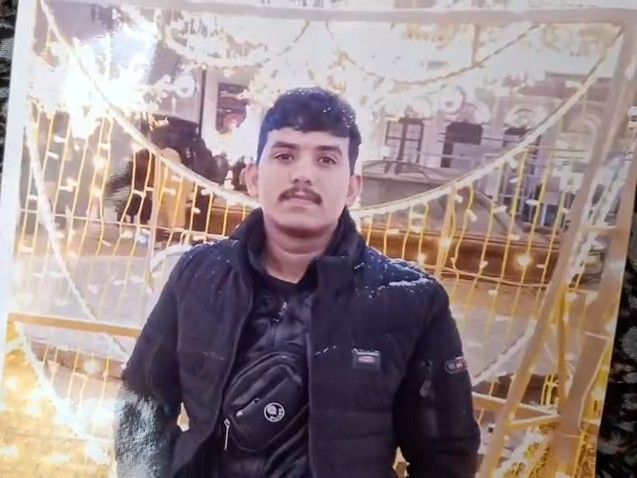
अमृतसर के गग्गोमाहल गांव का 25 वर्षीय युवक लवप्रीत सिंह रूस से पिछले एक महीने से लापता है। लवप्रीत लगभग डेढ़ साल पहले बेहतर रोज़गार की तलाश में रूस गया था। परिवार का उससे लंबे समय से कोई संपर्क नहीं हो पाया है, जिससे वे चिंतित हैं। लवप्रीत के परिवार, जिसमें उनकी मां सुखदीप कौर और पिता प्रकाश सिंह शामिल हैं, के अनुसार, लवप्रीत के साथ रहने वाले कुछ साथियों ने बताया है कि उसे और दो अन्य पंजाबी युवकों को रूसी सेना ने हिरासत में ले लिया है। इस जानकारी के बाद परिवार की चिंता बढ़ गई है। उन्हें आशंका है कि लवप्रीत रूस-यूक्रेन युद्ध के हालातों में फंस गया है। मां बोलीं- बेटे की आवाज सुनने का इंतजार लवप्रीत की मां सुखदीप कौर अपने बेटे की आवाज सुनने का बेसब्री से इंतजार कर रही हैं। परिवार ने यह भी बताया कि कुछ अज्ञात लोगों ने लवप्रीत से बात करवाने का भरोसा देकर उनसे लगभग एक लाख रुपये ठग लिए थे। पैसे लेने के बाद न तो लवप्रीत से संपर्क हो पाया और न ही उन लोगों से, जिन्होंने बाद में अपने फोन बंद कर लिए। परिजनों ने पंजाब सरकार, केंद्र सरकार और विदेश मंत्रालय से तत्काल हस्तक्षेप करने की अपील की है। उनकी मुख्य मांग है कि लवप्रीत का जल्द से जल्द पता लगाया जाए और उसे सुरक्षित भारत वापस लाया जाए। गांव के लोग भी लवप्रीत के परिवार के साथ एकजुटता दिखा रहे हैं और उसकी सुरक्षित वापसी के लिए प्रार्थना कर रहे हैं।
Source link