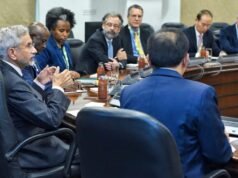

















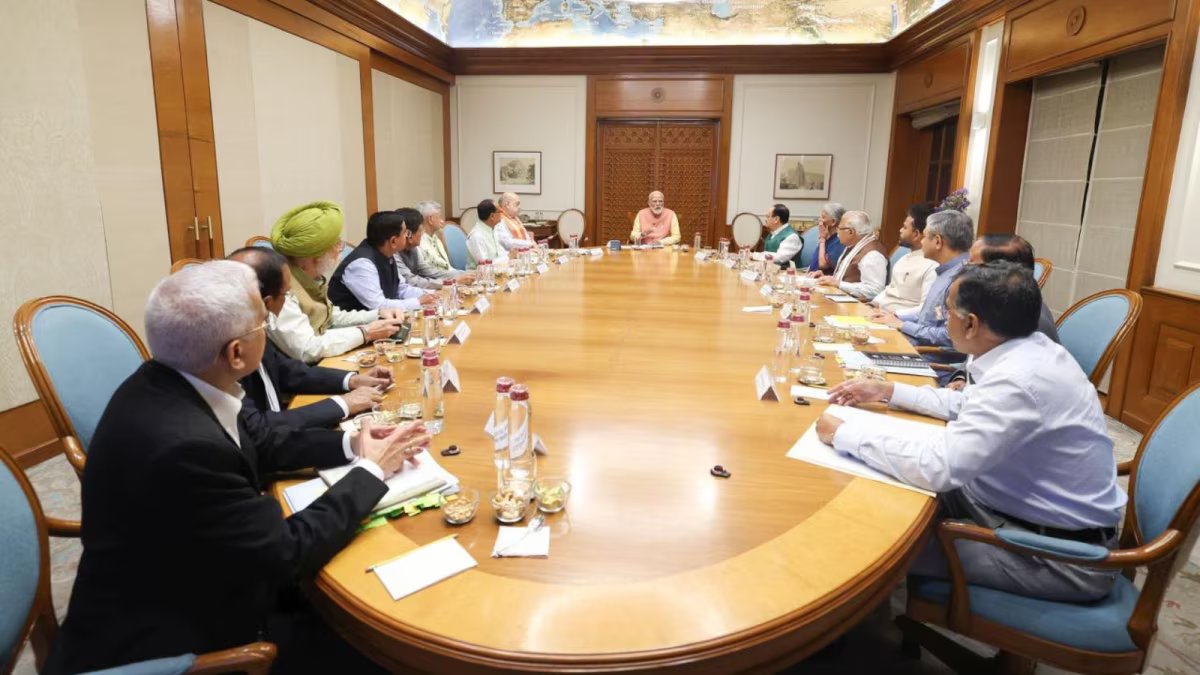
The CCS reviewed steps being taken by various Ministries and Departments in the wake of the ongoing West Asia conflict and also discussed the next set of initiatives to be taken.




PM Modi chaired a special meeting of the Cabinet Committee on Security (CCS).
West Asia War: Prime Minister Narendra Modi on Wednesday chaired a key meeting of the Cabinet Committee on Security (CCS) at 7 Lok Kalyan Marg to review measures taken by various departments in the evolving situation in West Asia and its potential implications for India’s energy security, supply chains and overall macro-economic stability.
This was the second such special meeting convened to assess the impact of the geopolitical situation and ensure continuity in critical supplies and services.
In a post on X, PM Modi said that the CCS reviewed the steps being taken by various Ministries and Departments in the wake of the ongoing West Asia conflict and also discussed the next set of initiatives to be taken.
He further said that aspects relating to sectors like energy, agriculture, fertilisers, aviation, shipping and logistics were also discussed.
Chaired a meeting of the Cabinet Committee on Security (CCS). Reviewed the steps being taken by various Ministries and Departments in the wake of the ongoing West Asia conflict and also discussed the next set of initiatives to be taken. Aspects relating to sectors like energy,… pic.twitter.com/vb0UluPbtu— Narendra Modi (@narendramodi) April 1, 2026
According to the press statement released by the PIB, The Cabinet Secretary briefed the committee on steps taken to maintain adequate availability of petroleum products, particularly LPG and LNG. The government has begun diversifying sourcing, securing supplies from multiple countries to avoid disruptions.
Officials noted that LPG prices for domestic consumers have remained unchanged, while enforcement drives are being carried out to curb hoarding and black marketing. Initiatives have also been taken to expand Piped Natural Gas connections.
To ensure uninterrupted power during peak summer months, measures such as increasing coal supply to thermal power plants and exempting certain gas-based plants from pooling mechanisms have been implemented.
The meeting also reviewed preparedness in the agriculture sector. Efforts are underway to maintain adequate fertiliser supplies, including urea production and coordination with international suppliers for DAP and NPK fertilisers.
States have been asked to intensify monitoring and take strict action against hoarding and diversion of fertilisers, especially ahead of the upcoming Kharif and Rabi seasons.
The government said retail prices of essential food commodities have remained stable over the past month. Control rooms have been set up for real-time monitoring of prices and coordination with states and Union Territories under the Essential Commodities Act.
Prices of vegetables, fruits and other agricultural products are also being closely tracked.
The CCS also discussed potential challenges in sectors such as civil aviation, shipping and logistics. Efforts are being made to diversify global supply chains and ensure safe passage of vessels through critical routes like the Strait of Hormuz.
Enhanced coordination between central, state and district authorities is being undertaken to ensure effective communication and public awareness.
The Prime Minister reviewed the availability of essential commodities and stressed that all necessary steps must be taken to shield citizens from the impact of the conflict.
He also highlighted the importance of disseminating accurate information to prevent misinformation and panic.
PM Modi directed all departments to remain vigilant and take proactive measures to address any emerging challenges arising from the evolving global situation.
April 01, 2026, 22:43 IST
Read More