


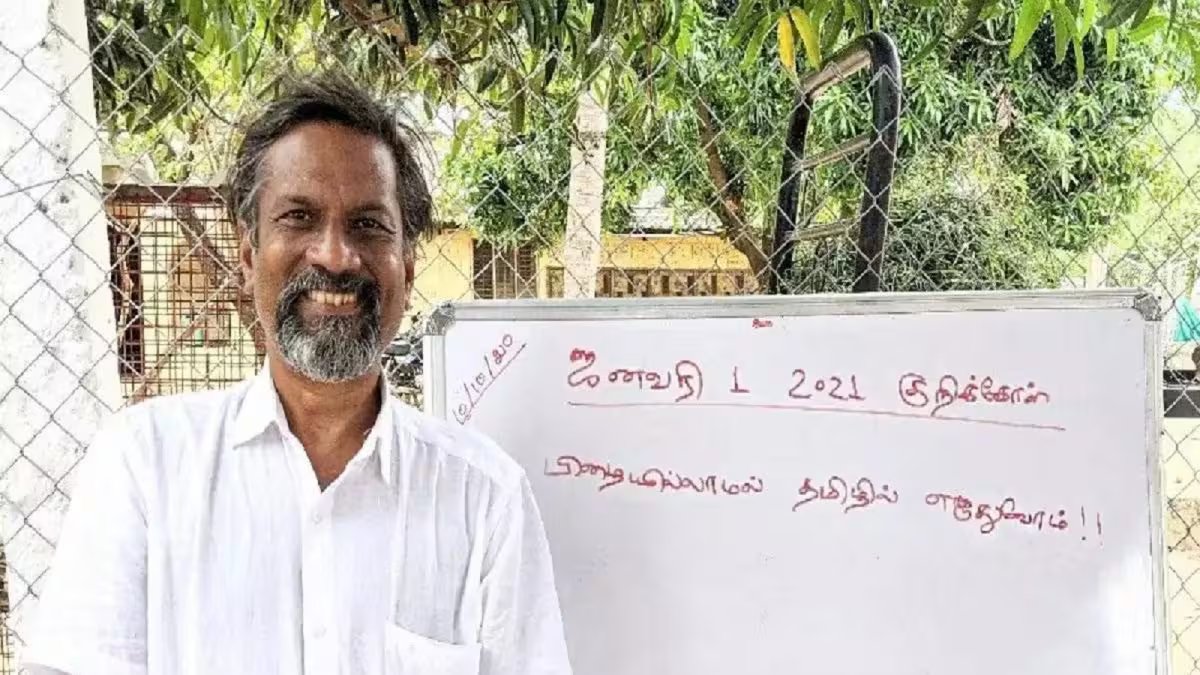
Zoho CEO Sridhar Vembu backs PM Narendra Modi work from home appeal, says Zoho will reconsider remote work, adopt natural farming, and cut diesel use




Sridhar Vembu
Zoho founder and CEO Sridhar Vembu has reacted to Prime Minister Narendra Modi’s appeal for work from home amid the West Asia war crisis and said his company will consider the policy of remote work.
Vembu said his company have adopted natural farming in its farm and is actively looking for ways to cut diesel use.
“I hope all of us heed the Prime Minister’s appeal. As a company, we adopted Work From Office fully in recent months, but we will revisit Work From Home now. We have adopted natural farming in our farm and we are also actively looking for ways to cut diesel use,” he wrote in a post on X.
I hope all of us heed the Prime Minister’s appeal.As a company, we adoptedWork From Office fully in recent months, but we will revisit Work From Home now.
We have adopted natural farming in our farm and we are also actively looking for ways to cut diesel use. pic.twitter.com/slcddnPXSU
— Sridhar Vembu (@svembu) May 11, 2026
Zoho has offices in Chennai and Tenkasi in Tamil Nadu, Noida, Bengaluru, Kolkata, Mumbai, and Renigunta in Andhra Pradesh.
An X user asked Sridhar Vembu how the company planned to support small vendors — including canteen operators, tea stalls and snack sellers — who rely heavily on office footfall for their livelihood.
Responding to the concern, Vembu said, “We always support our canteen staff and drivers during work-from-home periods. In the past, we have also used our kitchens to distribute free food to the needy around our offices. We will do the same this time as well.”
PM Modi, while addressing a gathering in Secunderabad on Sunday, urged citizens to prioritise work from home, cut fuel consumption, avoid foreign travel for a year, adopt Swadeshi products, reduce cooking oil use, shift to natural farming and curb gold purchases.
He stressed the need to reduce dependence on imports and said every household should cut down on edible oil consumption and move towards natural farming to help save foreign currency and protect the environment.
Read More