


What feels completely normal in India can feel like a paid upgrade somewhere else




Things Indians Get Free That Americans Pay Monthly Subscriptions For
We tend to assume basic services work the same everywhere. If something costs money in one country, it probably does in another too. But once you look closer, that idea falls apart pretty quickly.
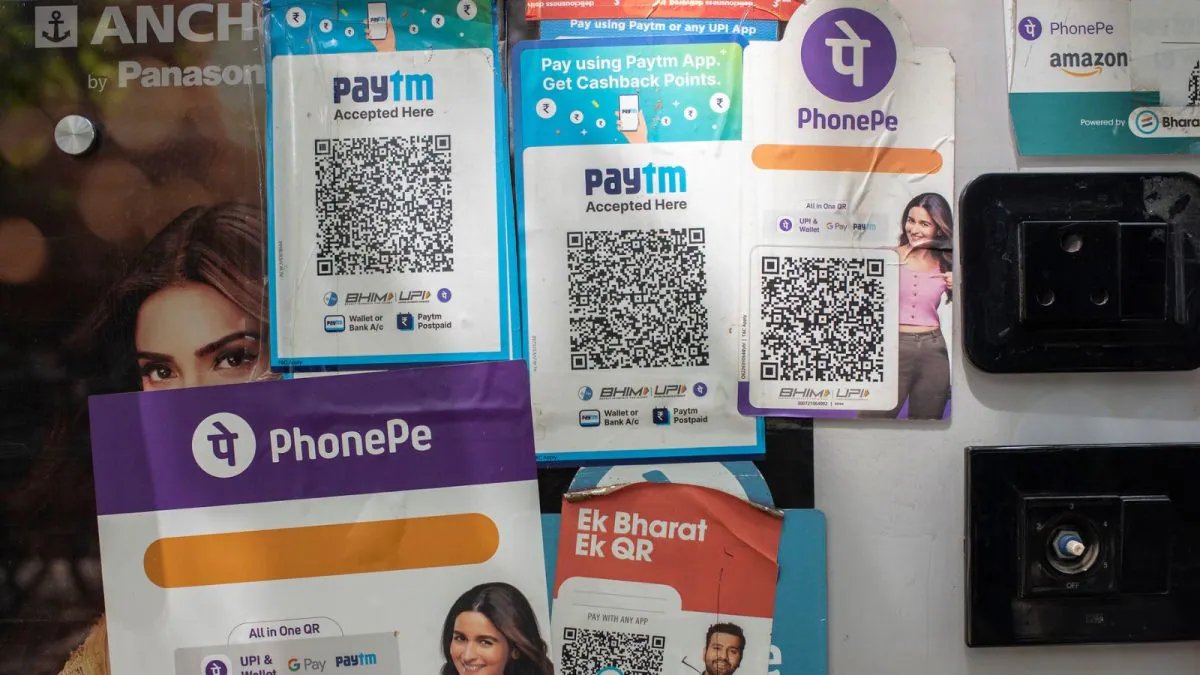
Take something as simple as sending money. In India, you open an app, type a number, hit send, and it’s done in seconds. No fees, no second thought. Whether it’s splitting a dinner bill, paying a shopkeeper, or sending rent, systems like UPI have made instant transfers feel almost invisible.
Now compare that to the US. There, sending money instantly often means using apps like Venmo or Zelle, and even then, faster transfers can come with fees. Bank accounts themselves can have monthly maintenance charges unless you meet certain conditions. Even something as basic as moving your own money can feel like a “service.”
And it’s not just payments.
In India, you can walk into a railway station, book tickets online for a small fee, or even stream government services through apps without thinking about subscriptions. Many mobile plans come bundled with free incoming calls, SMS, and data packs at prices that would seem unreal in the US.
Even missed calls are a thing. Need someone to call you back? You just give a missed call. Businesses, delivery services, even banks sometimes use it as a signal. It’s simple, costs nothing, and works because everyone understands it.
In the US, similar conveniences are often packaged differently. Want cloud storage? Monthly fee. Want ad-free music? Subscription. Want premium customer support or faster service? There’s usually a plan for that.
None of these costs feel huge individually. But they stack up.
What makes India different is how these systems are designed. Because they’re built for scale and accessibility, the expectation is that they should just work without friction. Payments should be instant. Access should be easy. Costs should be minimal.
That changes behaviour.
When something is free or nearly free, you use it without thinking. You experiment, you rely on it, it becomes part of your routine. But when there’s even a small cost attached, you pause. You decide if it’s worth it.
And that’s where the difference really shows. It’s not just about saving money. It’s about what feels normal.
In one place, instant payments, cheap data, and everyday conveniences are just part of life. In another, those same things are bundled, priced, and sold as premium features.
Once you notice that gap, it’s hard to ignore.
Because it quietly changes how you see access, not as something universal, but as something shaped by how systems are built.
Delhi, India, India
April 25, 2026, 22:15 IST
Read More