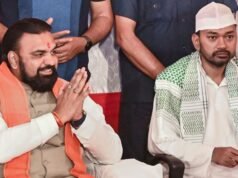


This is a community that has historically voted as a bloc, guided by the legacy and leadership of matua matriarch Binapani Devi.


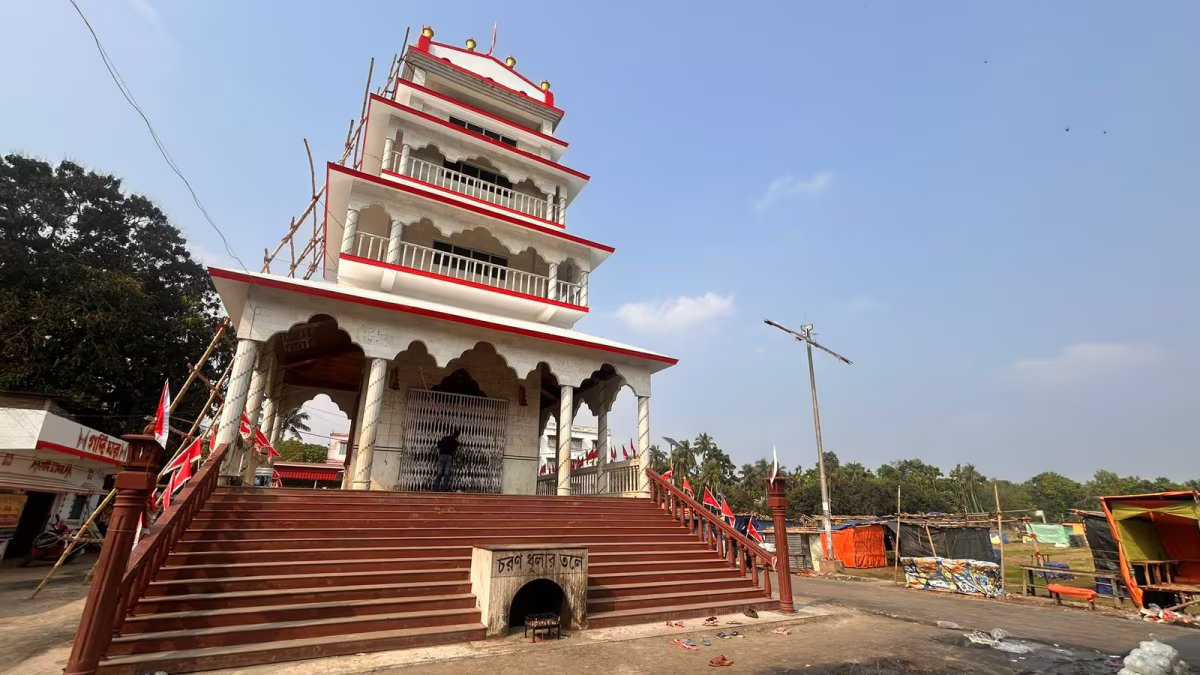
Thakurnagar: The Matua Temple and the headquarter of All India Matua Mahasangha. (Image: News18)
In the matua heartland of Thakurnagar (North 24 Paragana), elections have always been about identity. But in 2026, identity itself feels under threat. The political battle here is no longer just between parties, it is within families, within communities, and increasingly, within the voter list. The Special Intensive Revision (SIR) has triggered widespread deletions, and its impact has been sharp in the matua belt. Booth-level conversations are no longer about candidates or campaigns or even about the All India Matua Sangh (Matua’s supreme body). They are now about names missing from rolls, documents under scrutiny, and a growing anxiety over political invisibility.
This is a community that has historically voted as a bloc, guided by the legacy and leadership of matua matriarch Binapani Devi. But today, that cohesion is fractured. The matua vote is splintering, not just politically, but socially. And at the centre of it all lies a deeply personal contest within the Thakur family itself.
The fractures are no longer metaphorical. In constituencies like Gaighata and Bagda, the political battle has turned into a family feud. At the heart of this divide are three members of the influential Thakur family, each aligned with different political forces, each staking claim over the matua legacy. What was once a unified voice is now a contest of inheritance.
This split has left the community disoriented. For decades, the matuas rallied around a shared identity rooted in refugee history and cultural assertion. Today, that identity is being pulled in multiple directions, by party lines, personal rivalries, and competing narratives of representation. Political parties, sensing opportunity, have leaned into this divide. Campaigns here are no longer just about governance, they are about who truly represents the matuas. And increasingly, that question has no clear answer on ground.
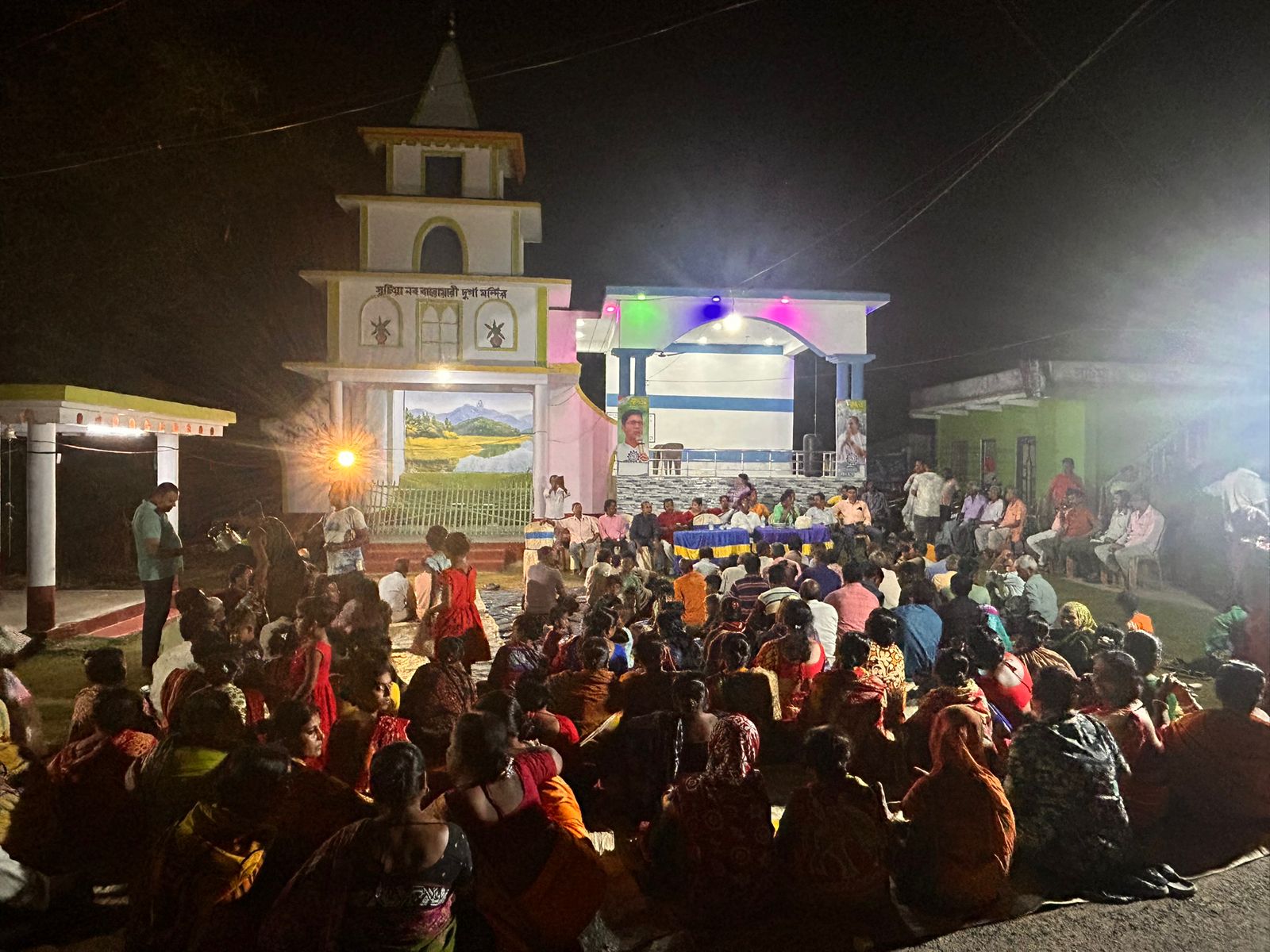
However, Matua community dominates at least 34 assembly seats while the community plays a reasonably influential role in another 24 seats across districts along international border with Bangladesh. So, electorally, matuas have been significant for both political parties – Trinamool Congress and the BJP.
A Community Divided
Three members of the same family are in the poll fray. Subrata Thakur, the chairman of All India Matua Mahasangh is BJP candidate of Gaighata constituency. He is also the sitting MLA and brother of Shantanu Thakur, MP of Bongaon and a union minister. Matua Mahasangha headquarters is located in Gaighata constituency. The Gaighata constituency has an SC population of approximately 43.81 per cent to 49.13 per cent. The matua community, which primarily consists of the Namasudras, is the predominant SC group in this belt.
Subrata’s cousin sister Madhuparna Thakur is Trinamool Congress candidate in a neighbouring seat – Bagda. According to the 2011 Census and updated assembly records, SC makes up 53.14 per cent to 54.81 per cent of the total population in Bagda. According to the estimates of the political parties, the matua community accounts for over 40 per cent of the total vote bank in Bagda. BJP has fielded Soma Thakur against Madhuparna in Bagda. Soma Thakur is wife of union minister Santanu Thakur and sister-in-law of Madhuparna. Madhuparna is the daughter of former Trinamool MP Mamata Bala Thakur, another senior member of the matua family.
The fractured family mirrors a fragmented community. Post SIR, the community members who earlier voted for the BJP in 2021 and also in 2024 expecting their names to be included as citizens under the Citizenship Amendment Act (CAA) now seem to be in dilemma. Courtesy- a delayed and laggard implementation of CAA. Community members, who earlier struggled to get their names enrolled under CAA, now finds their names deleted.
Subrata Thakur however blamed Mamata Banerjee’s administration for the delayed implementation of the CAA. “All the officers, who have been engaged in this work are puppets of Mamata Banerjee. They deliberately delayed the process and created confusion,” he told News 18 at Thakurnagar. However, CAA has technically been the responsibility of the union government. “That is true. The supervision is there. And we are trying to accelerate the process. No legitimate matua will lose citizenship,” he added.
The SIR Shock
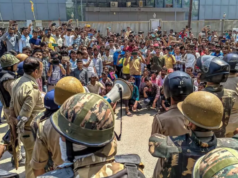
Layered over this social fracture is the disruptive force of the SIR exercise. Large-scale deletions and adjudications have altered the electoral landscape, leaving many uncertain about their participation in the democratic process itself. In some parts of the Matua belt, the scale of impact is higher than the state average. Several pockets report missing names, contested entries, and a sense that the system itself is in flux.
A senior BJP leader, who is involved in the CAA assistance camp said, “We know that hundreds of locals, who were queuing up to get the citizenship under CAA, now stand deleted. We have been able to help clear some names those were under the adjudication. We are trying to mobilise our supporters base and taking every effort to keep this intact. But it may leave some impact on the elections.”
For the BJP, this is being framed as a necessary correction, a purification of voter rolls that aligns with its broader citizenship narrative. For the Trinamool Congress, it is a direct attack on refugee communities, many of whom form the backbone of the Matua population. Talking to News18, Madhuparna Thakur said, “Maximum number of votes were deleted in Bagda constituency from where I am fighting. Of around 15,000 votes, that were deleted here, around 90 per cent are of Hindus and primarily matuas.”
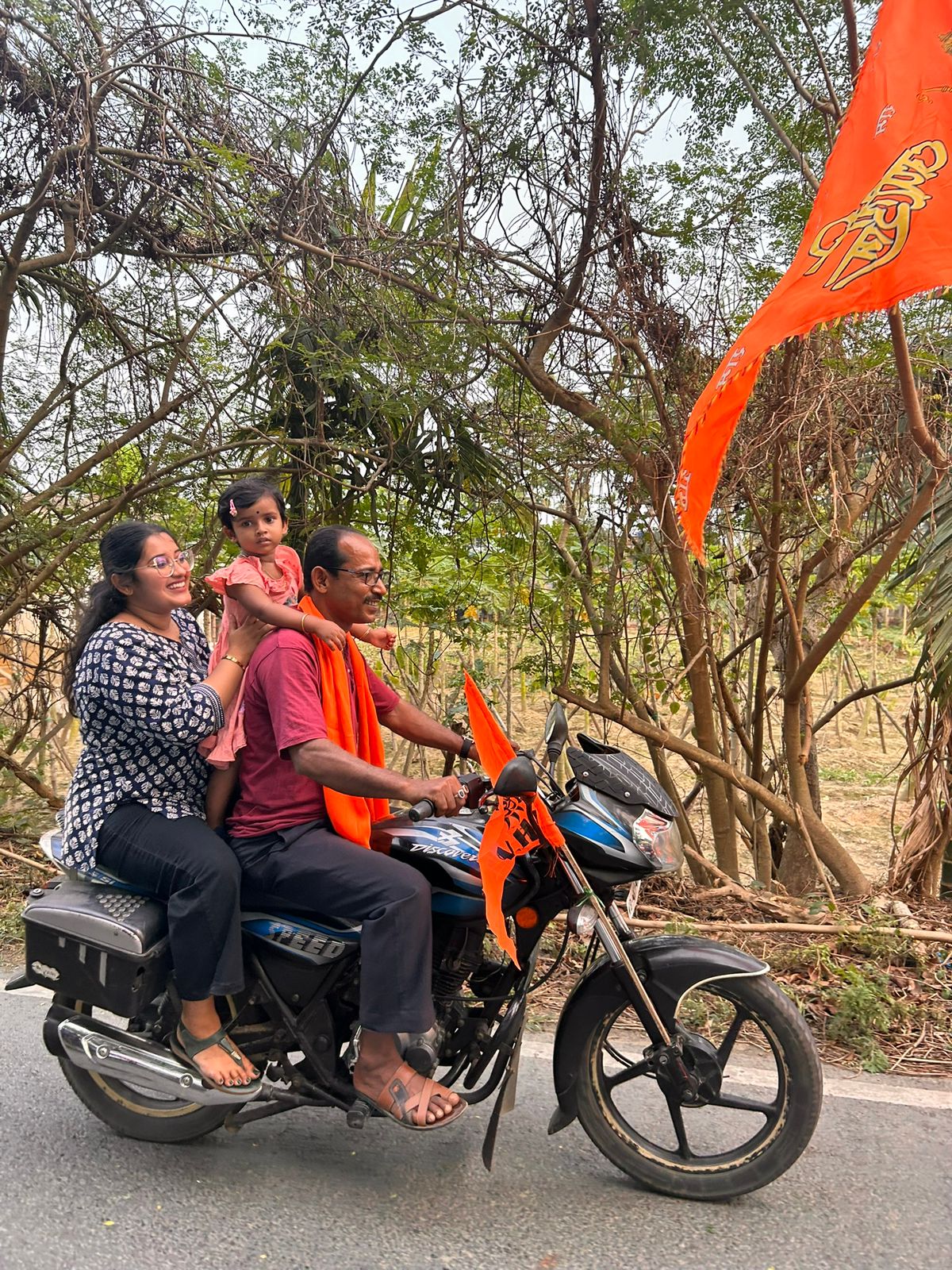
Even as the situation in border constituencies, which are sensitive and politically volatile, BJP is trying to mobilise Hindus. Ram Navami played an important role during the campaign as the party took out huge procession along the border villages. Even though polarisation is the talk of the town, such a massive Ram Navami rally in Bongaon was unthinkable a few years back.
Meanwhile, beyond political framing, the ground reality is stark. Voters are unsure if they will be able to vote. And that uncertainty is reshaping political behaviour. Conversations that once centred around development, welfare, or even polarisation have now narrowed to a single concern, and it is about their existence on paper.
In Thakurnagar today, the mood is not of electoral excitement but of quiet unease. Campaign slogans compete with bureaucratic anxieties. Identity, once asserted through voting, now feels contingent on documentation. The Matua belt, long seen as a decisive electoral bloc, is no longer predictable. It is fragmented, anxious, and deeply contested.
April 14, 2026, 10:29 IST
Read More