




















Even if the Iran conflict drags on, India is positioning itself to keep fuel flowing, prices stable, and essential systems running




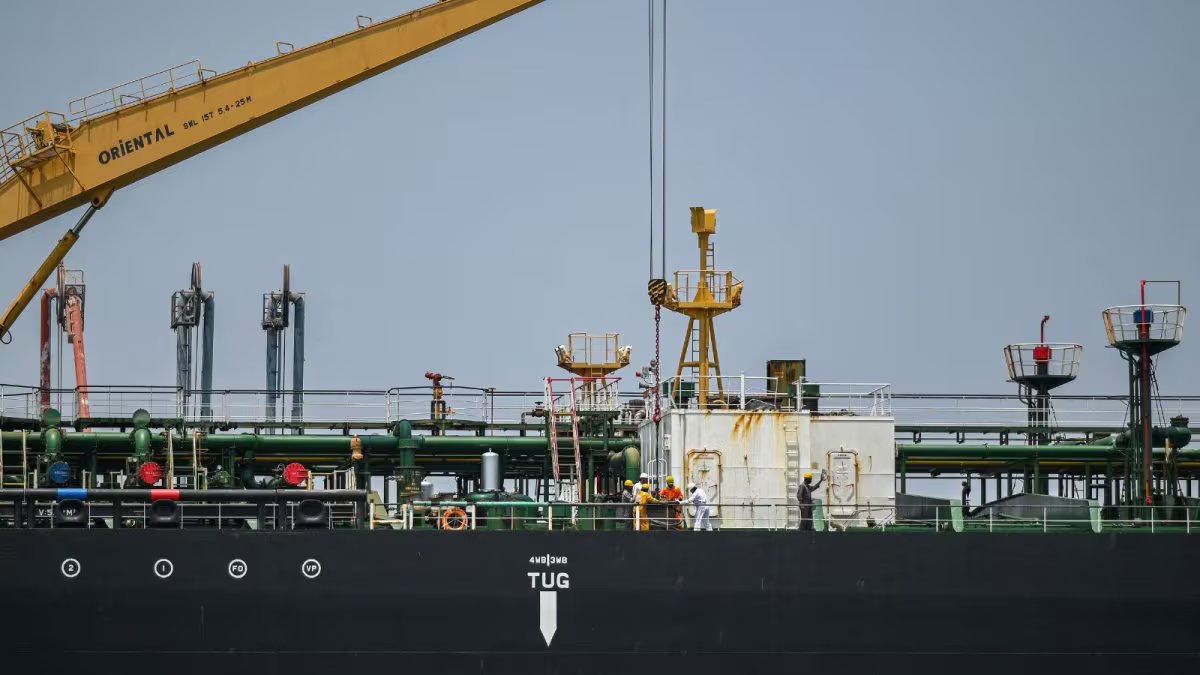
Sailors work on the deck of an Indian-flagged oil tanker docked near an offloading terminal at Butcher Island, off the coast in Mumbai. (AFP)
As tensions in West Asia continue and the Donald Trump administration sends mixed signals about the duration of the Iran war, India is quietly executing a multi-layered strategy to protect its energy security and domestic economy.
At the heart of the crisis is the disruption risk around the Strait of Hormuz, a narrow but critical passage through which a large portion of the world’s oil and gas flows.
As markets remain on the edge, India has moved quickly to shield its economy and citizens from potential energy shocks due to the Iran war.
ALSO READ | Trump Warns Iran Will Be Taken ‘Back To Stone Age’ If No Deal Reached | Top Points
On Wednesday, Prime Minister Narendra Modi chaired a high-level Cabinet Committee on Security (CCS) meeting to coordinate a nationwide response across energy, agriculture, logistics, and consumer markets.
Multi-Layered Energy Security Plan
1. Diversifying oil and gas imports
India is reducing dependence on West Asia by sourcing LPG and LNG from multiple countries, expanding supplier networks to avoid bottlenecks, and building flexibility into procurement. This ensures supply continuity even if Hormuz traffic is disrupted.
2. Strong domestic supply cushion
India’s internal distribution system is absorbing shocks, with about 50 lakh LPG cylinders delivered daily, and roughly three lakh new gas connections being added. There is also rapid expansion of piped natural gas (PNG). This ensures that even during global disruptions, household fuel access remains stable.
3. Power supply secured for peak demand
To prevent electricity shortages, 7-8 GW gas-based plants have been exempted from pooling rules. Coal supply has been boosted to thermal plants and LNG imports increased for power generation. The focus is to ensure that there are no power cuts during peak summer.
ALSO READ | India’s Energy Tracker: 50 Lakh LPG Cylinder Deliveries Daily, 3 Lakh+ Gas Connections Cushion Iran Shock
4. Fertilizer and agriculture protection
To avoid a food supply ripple effect, urea production has been maintained domestically. India is coordinating imports of DAP/NPK fertilizers globally and authorities are regularly cracking down on hoarding and black marketing. This safeguards the upcoming Kharif and Rabi seasons.
5. Price stability and anti-hoarding measures
The government is actively controlling inflation risks. Data shows that food prices have been stable over the past month. Control rooms have been established to monitor essential commodities and there is strict enforcement against hoarding. This prevents panic buying and protects consumers.
6. Securing global supply routes
India is also acting internationally. Diplomatic efforts are being made to ensure safe passage of ships along with coordination with global partners on supply chains. There is also focus on keeping Hormuz transit viable.
7. Real-time coordination and communication
Authorities are ensuring constant coordination across central and state governments, public communication to prevent misinformation, and rapid response systems for emerging disruptions.
Simply put, India isn’t waiting to see how long the conflict lasts. Instead, it is diversifying energy sources, strengthening domestic supply systems, protecting agriculture and consumers, and coordinating globally and locally. The strategy seems clear—prepare for the worst, stabilise at home.
Even if the Iran conflict drags on, India is positioning itself to keep fuel flowing, prices stable, and essential systems running.
April 02, 2026, 09:02 IST
Read More