


















Last Updated:
Kerala Assembly Elections 2026: Parties intensify efforts to woo govt employees and pensioners with pension hikes amid concerns over rising fiscal burden and debt levels




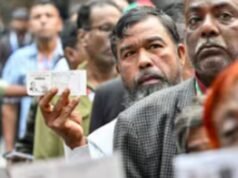
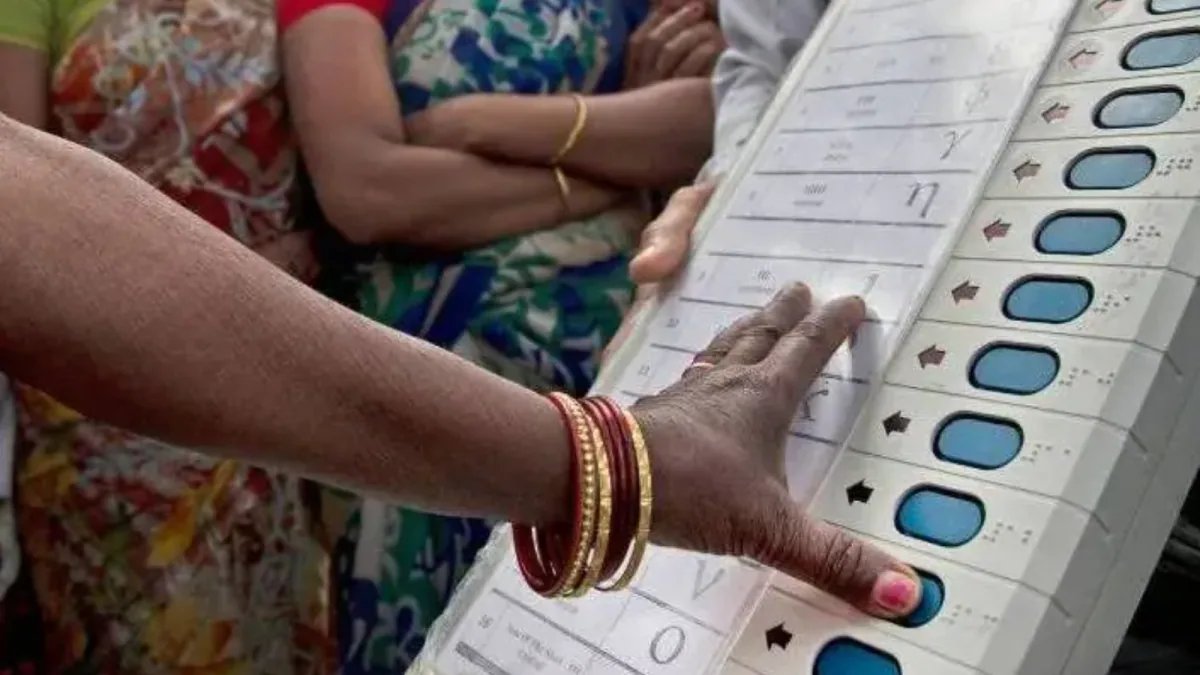
Ahead of polls, welfare measures, especially social security pensions, have once again moved to the centre of political debate.(Image: AP/Representative)
Kerala Assembly Elections 2026: In the politically vibrant state of Kerala, elections are often shaped by intense campaigns, ideological debates and strong party networks. Yet, beyond the visible political battle lies a quieter but highly influential voter group, government employees and pensioners, whose choices can significantly influence electoral outcomes.
Kerala has a large public sector workforce and a sizeable community of retired government staff. Teachers, clerks, healthcare workers, police personnel and other officials, along with pensioners spread across urban and rural constituencies, form a substantial and politically aware segment of the electorate. Though they rarely mobilise publicly as a unified bloc, their voting patterns often matter in tightly contested elections.
A Key But Quiet Influence
Political observers note that government employees and pensioners typically record high voter turnout. Their participation and influence extend beyond their numbers, as many are respected figures within their communities and often shape discussions within families and neighbourhoods. In a state where victory margins can be narrow, even small shifts in this group’s preferences can impact results.
Their concerns are also closely tied to government policies — particularly salaries, pension benefits, retirement age, healthcare access and job security. As a result, political parties often design campaign promises keeping this group in mind.
Welfare Promises In Focus
Ahead of the 2026 state Assembly elections, welfare measures, especially social security pensions, have once again moved to the centre of political debate. The ruling Left Democratic Front (LDF), led by the Communist Party of India (Marxist), had promised during the 2021 election campaign to gradually raise social security pensions to Rs 2,500 per month. After returning to power, the government eventually increased the pension from Rs 1,600 to Rs 2,000 toward the end of its term.
Chief Minister Pinarayi Vijayan also announced a series of welfare measures in October 2025 ahead of local body elections, while similar provisions featured prominently in the 2026–27 State Budget. Alongside pension hikes, the government announced wage increases for ASHA workers, Anganwadi staff, pre-primary teachers and noon meal workers.
The opposition United Democratic Front, led by the Indian National Congress, has also made welfare a key campaign plank. Leader of Opposition in the Lok Sabha, Rahul Gandhi, has promised five guarantees for Kerala, including raising welfare pensions to Rs 3,000 and introducing additional benefits such as health insurance and free travel for women on state-run buses.
Meanwhile, the Bharatiya Janata Party (BJP) on March 31 released its manifesto for the upcoming polls, with party chief Nitin Nabin unveiling a mix of welfare promises, infrastructure initiatives and temple-related measures for the state. Among the key announcements, the NDA pledged a welfare pension of Rs 3,000 per month for needy women, widows and senior citizens above 70 years.
Fiscal Concerns And Political Debate
While such promises resonate with voters, economists and policy experts have raised concerns about the financial burden of expanding welfare schemes. State Finance Minister KN Balagopal had estimated that welfare measures announced in 2025 would cost the exchequer at least Rs 10,000 crore. Increasing pensions alone has added a significant annual expense.
Reports by institutions such as NITI Aayog have also highlighted Kerala’s fiscal challenges, pointing to rising debt levels and sustained deficits. Analysts note that balancing welfare commitments with fiscal stability will remain a major challenge for whichever government comes to power next.
The Deciding Factor
Despite debates over sustainability, social security benefits remain a crucial issue for many pensioners and public sector employees who rely on them for financial stability. For this group, the credibility of political promises often matters as much as the promises themselves.
As Kerala moves closer to the 2026 Assembly election, the political battle may be loud and visible on the campaign trail, but the quiet choices made by government employees and pensioners in polling booths could once again prove decisive in shaping the state’s political future.
Kerala will go to polls in a single phase on April 9. The vote counting will take place on May 4.
Kochi [Cochin], India, India
March 31, 2026, 21:16 IST
Read More