











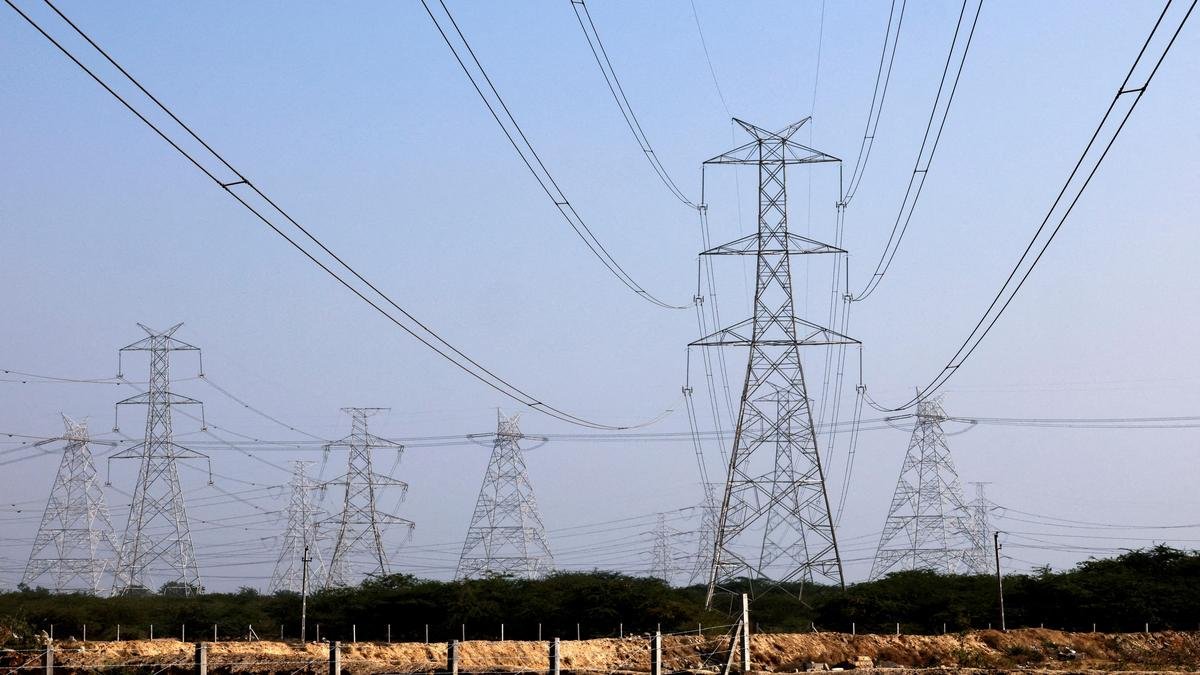
Image used for representational purposes. File
| Photo Credit: Reuters
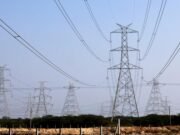
Sri Lanka has decided to increase electricity prices with effect from April 1, the power authorities said.
The Public Utilities Commission of Sri Lanka (PUCSL) Chairman K.P.L. Chandralal said on Monday (March 30, 2026) that the state power entity, the Ceylon Electricity Board (CEB), had asked for an over 13.5% hike across different usage blocks based on the units consumed.
“However, considering problems faced by all sectors, households and industries would be subject to only an 8.5% increase,” Mr. Chandralal said.

The tariff revision proposal submitted by CEB was analysed by the PUCSL, and after public consultations, the commission decided to increase the tariffs, he said.
The tariff hike means that those consuming over 180 units would see a 25% increase.
If the fuel prices rise significantly, and CEB costs increase by over 15%, the utility can make a new submission, he said. “In that event, we are prepared to consider such a proposal.” Issuing guidelines to conserve energy in the state sector, the Commissioner General of Essential Services said that by 3 p.m., all air conditioners must be switched off at all state institutions.
All advertising hoardings illuminated must be switched off by 8 p.m. All local councils must take action to switch off street lights between 6-10 pm and the national grid supply must not be used to power functions participated by more than 100 people.

Earlier this month, fuel rationing system based on a QR code was introduced after weeks of long queues at petrol retailers.
The government said it was working with Russia to obtain crude in view of the current supply chain difficulties due to the war in the West Asia.
The Tourism Authority announced on Monday (March 30, 2026) that tourist arrivals had dropped by over 18% by 25 March year on year, a direct fallout from the West Asia war.
Published – March 31, 2026 12:37 pm IST