


प्रयागराज में छात्रों ने कंप्यूटर-कुर्सियां तोड़ीं, हाईवे जाम किया: SSC परीक्षा में सर्वर फेल होने से भड़के थे, आज की परीक्षा रद्द – Prayagraj (Allahabad) News
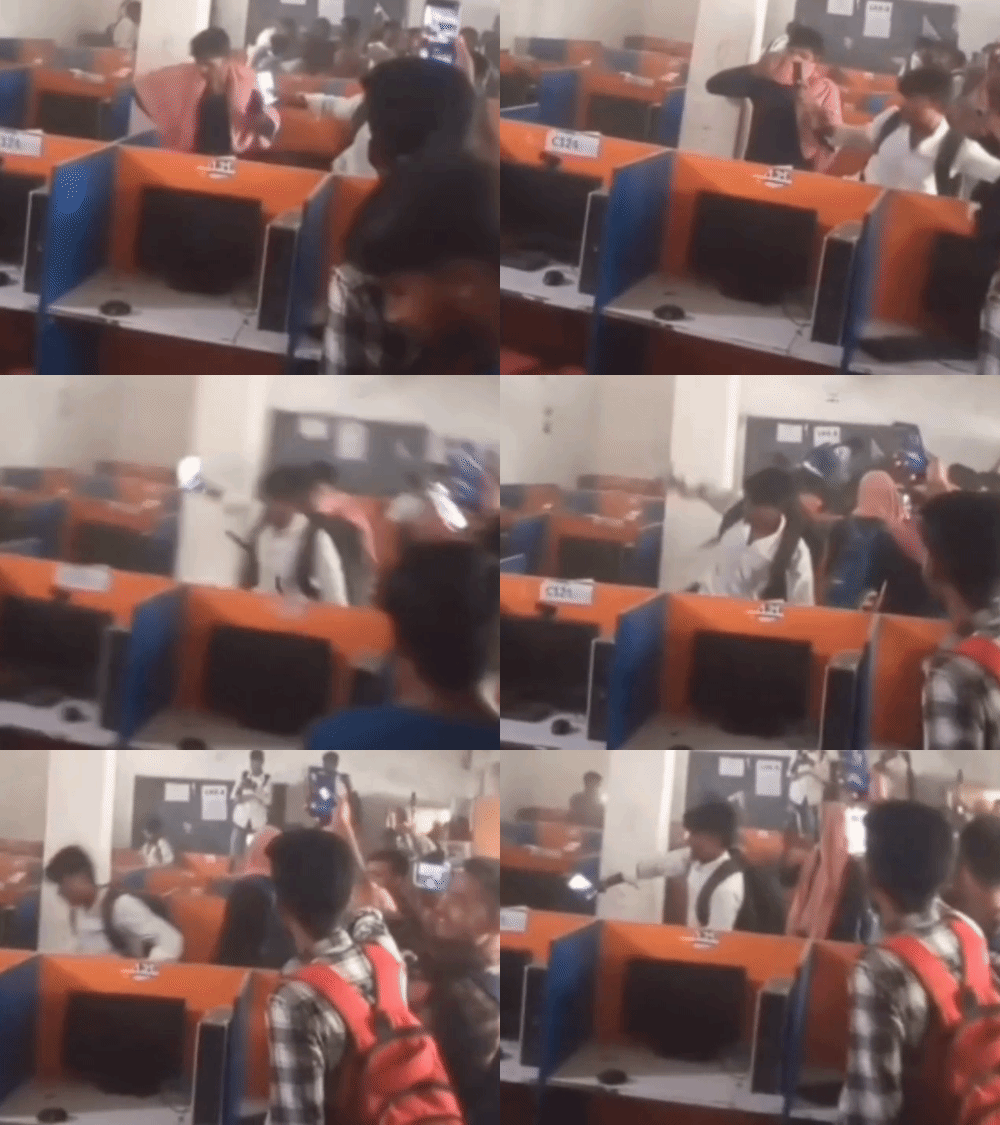
यूपी के प्रयागराज में हुई SSC-GD भर्ती परीक्षा के दौरान मंगलवार को सर्वर फेल होने पर परीक्षार्थियों ने हंगामा कर दिया। उन्होंने कमरों में रखे कंप्यूटर और कुर्सियां तोड़नी शुरू कर दीं। नारेबाजी करने लगे। इसके बाद छात्रों ने प्रयागराज-वाराणसी हाईवे भी जाम कर दिया। मौके पर पहुंची पुलिस ने आधे घंटे बाद बड़ी मुश्किल से मामला शांत कराया। बवाल के बाद आज की परीक्षा रद्द कर दी गई। हंगामे की 2 तस्वीरें देखिए… परीक्षा शुरू होते ही सर्वर डाउन हुआ मामला सरायइनायत थाना क्षेत्र का है। परीक्षा अंदावा स्थित सुनीता सिंह सीता सिंह महाविद्यालय में तीन शिफ्टों (पहली: 10 से 11 बजे, दूसरी: 1 से 2 बजे और तीसरी: 4:30 से 5:30 बजे) में होनी थी। पहली शिफ्ट की परीक्षा निर्धारित समय 10 बजे शुरू हुई। इसके लिए 600 परीक्षार्थी थे, लेकिन 450 परीक्षार्थी ही उपस्थित हुए। परीक्षा जैसे ही शुरू हुई, कंप्यूटर का सर्वर डाउन हो गया। इस पर परीक्षार्थी हंगामा करने लगे थे। बवाल के बाद आज की परीक्षा रद्द कर दी गई। थाना सराय इनायत के प्रभारी निरीक्षक संजय गुप्ता ने बताया- कई कंप्यूटर और क्लासरूम के फर्नीचर को नुकसान पहुंचने की बात सामने आई है। पुलिस ने घटना की जांच शुरू कर दी है। जिन छात्रों ने तोड़फोड़ की, उनकी पहचान कर कानूनी कार्रवाई की जाएगी। साथ ही तकनीकी टीम को बुलाकर सर्वर संबंधित समस्या की पड़ताल करने और परीक्षा शेड्यूल को पुनर्निर्धारित करने की दिशा में कदम उठाए जा रहे हैं। SSC बोला- नई तारीखों का ऐलान जल्द होगा SSC के रीजनल हेड आशीष कुमार श्रीवास्तव ने बताया- परीक्षा में तकनीकी गड़बड़ी के कारण हुए नुकसान का आकलन कर रिपोर्ट शिक्षा विभाग और संबंधित परीक्षा प्राधिकरण को भेजी जाएगी। परीक्षार्थी भी शांति बनाए रखें। साथ ही आज परीक्षा रद्द कर दी गई है। परीक्षा की नई तारीख जल्द ही घोषित की जाएगी। वहीं, स्थानीय ग्रामीणों और ट्रैफिक पुलिस ने कहा- जाम के कारण वाहन चालकों को समस्याओं का सामना करना पड़ा। लेकिन, जल्द यातायात बहाल कर दिया गया। 25 मई को भी छात्रों ने किया था हंगामा सोमवार को प्रयागराज के सुनीता सिंह सीता सिंह महिला महाविद्यालय के आई-टेक जोन परीक्षा केंद्र पर भी हंगामा हुआ था। दूसरी शिफ्ट में सीटों से दोगुने अभ्यर्थी पहुंच गए, जिससे नाराज छात्रों ने तोड़फोड़ शुरू कर दी। उम्मीदवारों ने कई कमरों में रखे कंप्यूटर, मॉनिटर, एसी, कूलर, CCTV, सर्वर, जैमर और वाटर कूलर समेत कई उपकरण तोड़ दिए। इसके बाद छात्रों ने जीटी रोड पर चक्काजाम कर दिया। करीब एक घंटे तक यातायात प्रभावित रहा। मौके पर पहुंची पुलिस ने हालात संभाले और प्रदर्शन कर रहे छात्रों को शांत कराया। इसी दौरान पुलिस ने लैपटॉप लेकर भाग रहे एक छात्र को हिरासत में लिया। परीक्षा केंद्र की जिम्मेदारी बेंगलुरु की फर्म को
SSC मध्य क्षेत्र ने परीक्षा संचालन की जिम्मेदारी बेंगलुरु स्थित एडूक्विटी करियर टेक्नोलॉजीज प्राइवेट लिमिटेड को सौंपी थी। केंद्र प्रबंधन ने बताया कि अंदावा के आई-टेक जोन सेंटर पर कुल 650 कंप्यूटर सिस्टम उपलब्ध थे। जबकि दूसरी पाली में 505 के बजाय 1035 और तीसरी पाली में 495 के बजाय 1034 परीक्षार्थियों को यही केंद्र आवंटित कर दिया गया था। केंद्र को आवंटन संबंधी सूचना सोमवार को ही ई-मेल से मिली थी। इससे व्यवस्था खराब हुई। प्रयागराज समेत 5 केंद्रों पर परीक्षाएं कैंसिल
SSC मध्य क्षेत्र ने तकनीकी कारणों का हवाला देते हुए प्रयागराज, कानपुर, लखनऊ, गोरखपुर और मुजफ्फरनगर के कुछ केंद्रों पर सोमवार की दूसरी और तीसरी पाली की परीक्षा रद्द कर दी थी। आयोग ने कहा कि सभी प्रभावित परीक्षार्थियों की परीक्षा फिर से होंगी। नए एडमिट कार्ड भी वेबसाइट पर जल्द जारी किए जाएंगे। रद्द की गई परीक्षाओं की सूची में प्रयागराज के अलावा कानपुर के एसएमटी रामकली इकबाल बहादुर ऑनलाइन सेंटर, लखनऊ की सिटी मॉडर्न एकेडमी, गोरखपुर के महर्षि आईटी इंस्टीट्यूट ऑनलाइन एग्जामिनेशन सेंटर और मुजफ्फरनगर के आदर्श परीक्षा केंद्र शामिल हैं। जानिए क्या है SSC GD परीक्षा कर्मचारी चयन आयोग (SSC) इस परीक्षा के जरिए केंद्रीय अर्धसैनिक बलों (CAPFs) जैसे- BSF, CRPF, CISF, ITBP, SSB, SSF और असम राइफल में (सिपाही) के पदों पर भर्ती की जाती है। इनके लिए किसी भी मान्यता प्राप्त बोर्ड से 10वीं पास उम्मीदवार आवेदन कर सकते हैं। इसके लिए आयु सीमा 18 से 23 साल के बीच होती है। कुल 4 चरणों में परीक्षा होती है। पहला- CBT (ऑनलाइन लिखित परीक्षा), दूसरा- PET/PST (शारीरिक मानक और दक्षता परीक्षण)- इसमें दौड़ (दक्षता) और लंबाई-छाती (मानक) मापी जाती है, तीसरा- DME/RME (मेडिकल परीक्षा), चौथा- DV (दस्तावेज सत्यापन)। —————————- यह खबर भी पढ़िए- कानपुर में SSC GD परीक्षा रद्द होने पर हंगामा:399 सीटों की जगह 819 कैंडिडेट बुलाए, बैठने की जगह नहीं मिली; हाईवे पर उतरे छात्र कानपुर में सोमवार को एसएससी जीडी परीक्षा देने पहुंचने अभ्यर्थियों को अव्यवस्था का सामना करना पड़ा। क्षमता से तीन गुना ज्यादा अभ्यर्थी बुला लिए गए। इससे वहां अफरा-तफरी हो गई। छात्र सड़क पर उतर कर हंगामा करने लगे। अव्यवस्था फैलने से परीक्षा को रद्द कर दिया गया। इससे छात्र भड़क गए। मामला महाराजपुर थाना क्षेत्र के पुरवामीर स्थित श्रीमती रामकली इकबाल बहादुर ऑनलाइन सेंटर का है। पढे़ं पूरी खबर…
Source link