

पाकिस्तान बोला- इजराइल को देश नहीं मानेंगे: विचारधारा से समझौता मंजूर नहीं, ट्रम्प मुस्लिम देशों से बोले थे- इजराइल से दोस्ती करें
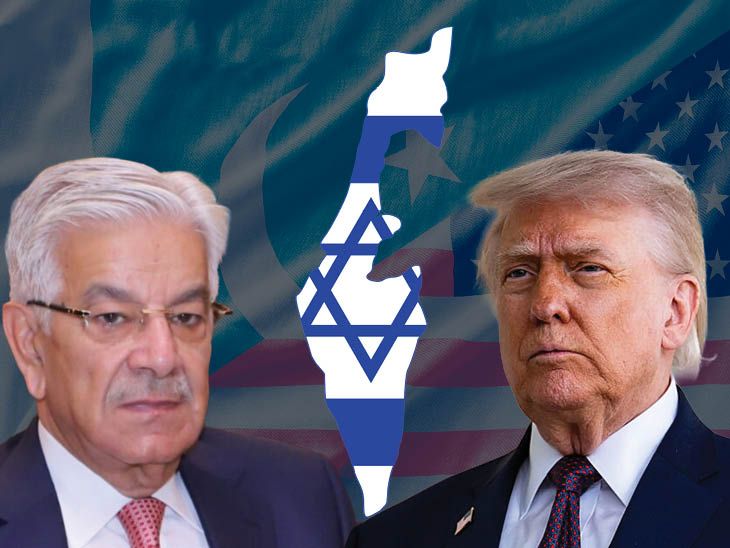
पाकिस्तान ने इजराइल से दोस्ती करने और उसे देश की मान्यता देने से साफ इनकार कर दिया है। पाकिस्तान के रक्षा मंत्री ख्वाजा आसिफ ने कहा कि पाकिस्तान अपनी मौलिक विचारधाराओं से समझौता नहीं कर सकता। दरअसल, अमेरिकी राष्ट्रपति डोनाल्ड ट्रम्प ने पाकिस्तान से कहा था कि अगर वह अमेरिका-ईरान शांति समझौते की प्रक्रिया का हिस्सा बनना चाहता है, तो उसे अब्राहम समझौते में शामिल होकर इजराइल को अलग देश की मान्यता देनी होगी। इसके बाद पाकिस्तान ने साफ कहा है कि वह इस मांग को मानने के मूड में नहीं है। आसिफ ने इजराइल पर निशाना साधते हुए कहा, “हम उन लोगों के साथ कैसे बैठ सकते हैं जिनकी बात पर एक दिन के लिए भी भरोसा नहीं किया जा सकता।” आसिफ ने पाकिस्तान की पासपोर्ट नीति का भी जिक्र किया। उन्होंने कहा कि पाकिस्तान दुनिया का शायद इकलौता देश है, जिसके पासपोर्ट पर साफ लिखा होता है कि यह इजराइल के लिए मान्य नहीं है। उन्होंने कहा कि पाकिस्तान का रुख पूरी तरह साफ है और इसमें कोई बदलाव नहीं होगा। ट्रम्प ने कई मुस्लिम देशों से इजराइल से रिश्ते सुधारने को कहा डोनाल्ड ट्रम्प ने सोमवार को कई मुस्लिम और अरब देशों से इजराइल के साथ रिश्ते सामान्य करने की अपील की। ट्रम्प ने इसे ईरान के साथ संभावित शांति बातचीत से भी जोड़ा। इसी दौरान उन्होंने पाकिस्तान का नाम भी उन देशों में शामिल किया था, जिनसे अमेरिका इजराइल को मान्यता देने की उम्मीद कर रहा है। ट्रम्प का यह बयान ऐसे समय आया है, जब अमेरिका मध्य-पूर्व में नई रणनीतिक साझेदारियां बनाने की कोशिश कर रहा है। ट्रम्प पहले भी अब्राहम अकॉर्ड्स को अपनी बड़ी कूटनीतिक उपलब्धि बता चुके हैं। यह पहली बार नहीं है जब पाकिस्तान पर इजराइल को मान्यता देने का दबाव पड़ा हो। 2021 में तत्कालीन प्रधानमंत्री इमरान खान ने भी कहा था कि अमेरिका और कुछ दूसरे देशों की तरफ से पाकिस्तान पर इजराइल के साथ रिश्ते सामान्य करने का दबाव बनाया जा रहा है। पाकिस्तान के लिए अब्राहम समझौते में शामिल होना मुश्किल पाकिस्तान के लिए अब्राहम समझौते में शामिल होने का मामला बेहद संवेदनशील और राजनीतिक रूप से मुश्किल है। पाकिस्तान लंबे समय से खुद को फिलिस्तीन के समर्थक देश के तौर पर पेश करता रहा है। वहां आम जनता के बीच फिलिस्तीन का मुद्दा भावनात्मक और धार्मिक दोनों स्तर पर बहुत गहराई से जुड़ा हुआ है। एक्सपर्ट्स का मानना है कि पाकिस्तान अमेरिका के साथ अपने रिश्ते खराब नहीं करना चाहेगा लेकिन वह अपनी घरेलू राजनीति को भी नजरअंदाज नहीं कर सकता है। पाकिस्तान ने पिछले 78 साल में कभी इजराइल को मान्यता नहीं दी है। उसका आधिकारिक रुख यह रहा है कि जब तक 1967 से पहले की सीमाओं के आधार पर स्वतंत्र फिलिस्तीनी राज्य नहीं बनता, तब तक वह इजराइल को मान्यता नहीं देगा। इसी वजह से पाकिस्तान में इजराइल के साथ रिश्ते सामान्य करने का मुद्दा हमेशा घरेलू राजनीति से भी जुड़ा रहा है। किसी भी सरकार के लिए इस पर नरम रुख अपनाना राजनीतिक जोखिम माना जाता है। पाकिस्तान ने गाजा बोर्ड ऑफ पीस में हिस्सा लेने पर भी सफाई दी थी इस साल जनवरी में पाकिस्तान ने गाजा बोर्ड ऑफ पीस में हिस्सा लिया था। उस समय भी पाकिस्तान के भीतर यह चर्चा शुरू हो गई थी कि क्या वह धीरे-धीरे अब्राहम समझौते की तरफ बढ़ रहा है। इसके बाद पाकिस्तान के विदेश मंत्रालय ने बयान जारी कर कहा था कि गाजा बोर्ड ऑफ पीस में शामिल होने का अब्राहम समझौते से कोई संबंध नहीं है। विदेश मंत्रालय ने कहा था कि पाकिस्तान की नीति में कोई बदलाव नहीं आया है और वह इस समझौते का हिस्सा नहीं बनेगा। पाकिस्तान की मुश्किल इसलिए भी बढ़ रही है क्योंकि खाड़ी के कई देश अब अमेरिका के दबाव में इजराइल के साथ संबंध बढ़ा रहे हैं। इनमें सऊदी अरब समेत कई अहम देश शामिल हैं। आर्थिक संकट से जूझ रहे पाकिस्तान की अर्थव्यवस्था काफी हद तक खाड़ी देशों की मदद पर निर्भर है। उसे वहां से आर्थिक सहायता और सैन्य सहयोग भी मिलता है। ऐसे में ट्रम्प की मांग को सीधे खारिज करना पाकिस्तान के लिए जोखिम भरा कदम माना जा रहा है। अमेरिकी समर्थक गठबंधन बनाना चाहते हैं ट्रम्प एक्सिओस के मुताबिक ट्रम्प की सबसे बड़ी रणनीतिक कोशिश यह है कि ईरान युद्ध खत्म होने के बाद पश्चिम एशिया में एक नया अमेरिकी समर्थक गठबंधन तैयार किया जाए, जिसमें इजराइल और प्रमुख अरब देश एक साथ हों। दशकों तक अरब देशों की नीति थी कि फिलिस्तीन मुद्दा सुलझे बिना इजराइल को मान्यता नहीं दी जाएगी। ट्रम्प की कोशिशों के बाद 2020 में अब्राहम समझौते ने उस पुरानी नीति को तोड़ दिया। इसके तहत UAE, बहरीन और मोरक्को जैसे देशों ने इजराइल के साथ आधिकारिक संबंध बनाए।
Source link