

















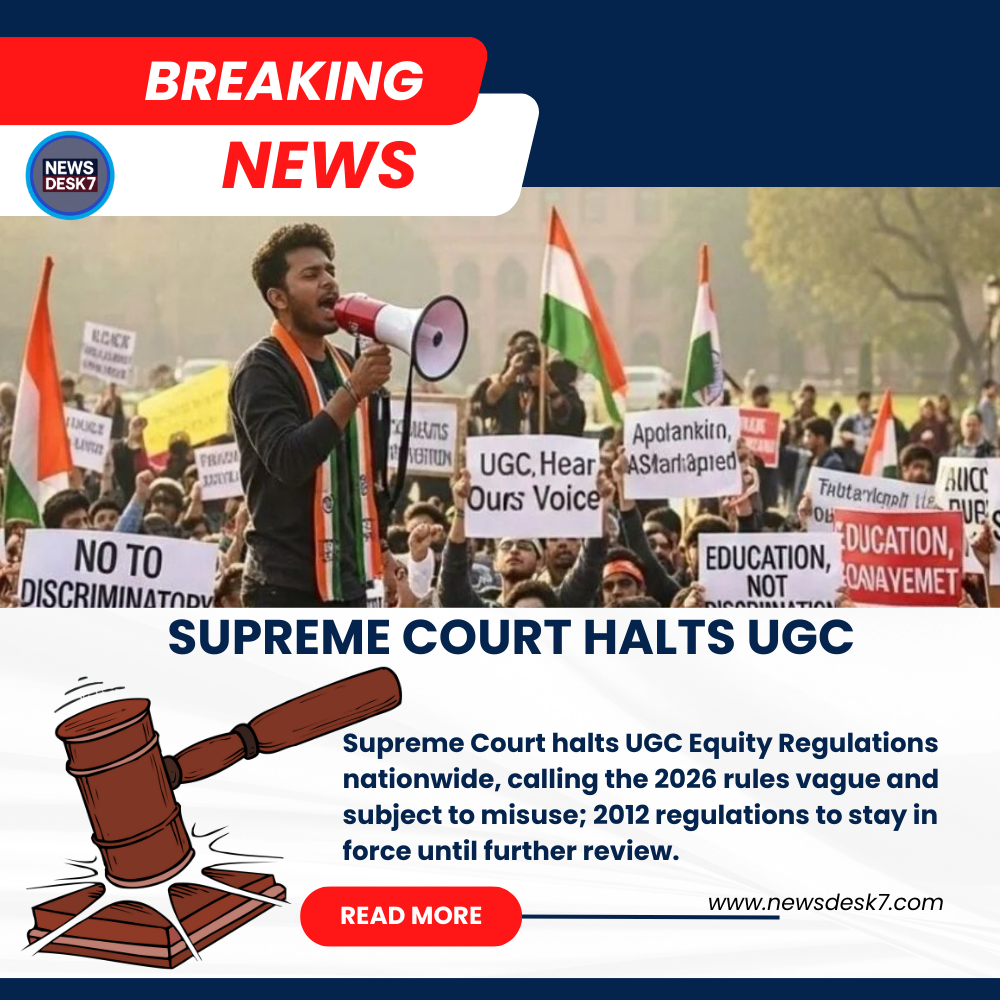
Supreme Court halts UGC Equity Regulations nationwide amid protests and legal challenges
Supreme Court halts UGC Equity Regulations nationwide after intense debate and litigation over the University Grants Commission’s newly introduced anti-discrimination rules for higher education. The apex court has temporarily stayed the University Grants Commission (Promotion of Equity in Higher Education Institutions) Regulations, 2026 — often referred to as the UGC Equity Regulations — after hearing multiple petitions challenging the legality and clarity of the framework. The effect of the order is nationwide, pausing the implementation of the 2026 regulations and retaining the earlier 2012 rules until further orders.
Officials said the Supreme Court’s decision follows widespread objections from students, educators, and legal experts who argued that key provisions of the 2026 regulations were vague, potentially exclusionary, and susceptible to misuse. The stay order has now placed the controversial rules “in abeyance,” meaning they cannot be enforced or applied in any university, college, or higher education institution across India until the court completes its review.
The 2026 UGC Equity Regulations had been notified earlier this month with the stated aim of strengthening safeguards against discrimination based on caste, religion, gender, disability, place of birth and other grounds. The framework required all higher education institutions to establish equity committees, Equal Opportunity Centres, helplines, and grievance mechanisms to promote inclusion and timely redressal of complaints.
However, multiple organisations, civil rights groups and student bodies challenged the new UGC regulatory framework in the Supreme Court on constitutional grounds. Petitioners argued that several clauses lacked clarity, did not provide adequate safeguards against false or malicious complaints, and could result in reverse discrimination against general category groups. They also contended that the regulations could be manipulated to target faculty and students unfairly, thus violating the constitutional guarantee of equality before law under Articles 14 and 15.
In its interim order, the Supreme Court — led by Chief Justice of India Surya Kant and Justice Joymalya Bagchi — said that while the objective of curbing discrimination is valid, the language of the 2026 equity regulations was “vague and capable of misuse.” The bench observed that several definitions and procedures in the regulations lacked precision and could result in unintended consequences, including social division rather than unity.
The court noted that equity rules are sensitive in nature and can have far-reaching implications on educational institutions and students’ rights. It pointed out that certain provisions restrict caste-based discrimination protections to specific groups, potentially excluding others and creating an imbalance in protection mechanisms. In this context, the bench flagged the need for more clarity and balanced safeguards before the regulations can be enforced nationwide.
To ensure that no grievance redressal mechanism disappears in the interim, the Supreme Court directed that the UGC’s 2012 anti-discrimination regulations will continue to operate for the time being. These earlier rules, though considered less comprehensive, have been in force for years and provide a baseline framework for addressing discrimination in higher education.
The stay order also involves issuing notices to the Union Government and the University Grants Commission, seeking responses to the petitions by March 19, 2026. Senior counsels appearing before the court highlighted that while the new regulations aim to combat discrimination, the absence of clear procedural protections and balanced representation raised legitimate constitutional concerns.
Reactions to the Supreme Court’s decision have been mixed. Student groups and general category representatives who had protested against the UGC Equity Regulations celebrated the stay as a victory for constitutional rights and fairness. Meanwhile, many advocates for stronger anti-discrimination policies expressed concern that pausing the updated rules could delay progress toward greater inclusivity and protection for historically marginalised communities.
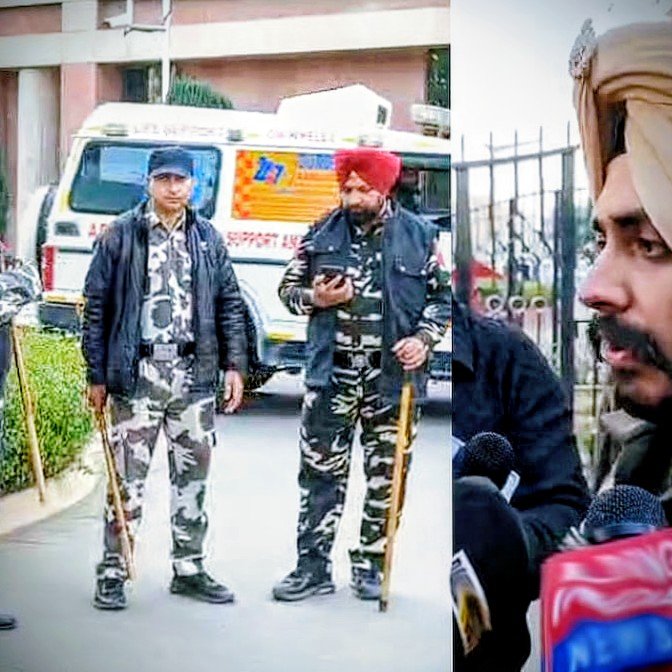
Across several states, protests erupted over the UGC rules in the last week, with general category groups expressing fears of biased implementation and inadequate legal safeguards. Main protests have taken place in campuses and district headquarters, highlighting the intensity of public sentiment and the complex, deeply felt nature of the debate.
Analysts say the Supreme Court’s intervention underscores the judiciary’s role in balancing transformational policy goals with constitutional guarantees. They stress that any regulation, no matter how well-intentioned, must be clear, equitable, and enforceable without leaving room for arbitrary or discriminatory enforcement.
For now, the Supreme Court halts UGC Equity Regulations nationwide, maintaining the 2012 framework until its detailed hearing in March. The decision delays the implementation of a major national education reform initiative and makes 2026 a pivotal year in the evolution of India’s higher education policy.